
Why Landscaping Companies Need a Strong Website
Landscaping is a visual business. Clients want to see lush lawns, thoughtful hardscapes, and beautifully designed gardens before they trust someone with their property. A polished website becomes the digital portfolio that wins jobs, sometimes before the first phone call. With more homeowners and property managers searching online for local landscapers, web design for landscapers is no longer optional; it is one of the highest-return investments a small or growing landscaping company can make.
Grow Your Landscaping Business With AAMAX.CO
If you want your landscaping company to dominate local search and convert more leads, you can hire AAMAX.CO to design and build a website that does the heavy lifting. They are a full-service digital marketing company offering web development, digital marketing, and SEO services worldwide, with experience helping service-based businesses turn their websites into reliable lead engines. Their website design team understands how to showcase outdoor projects beautifully while keeping conversion paths clear and simple.
Designing Around Visual Portfolios
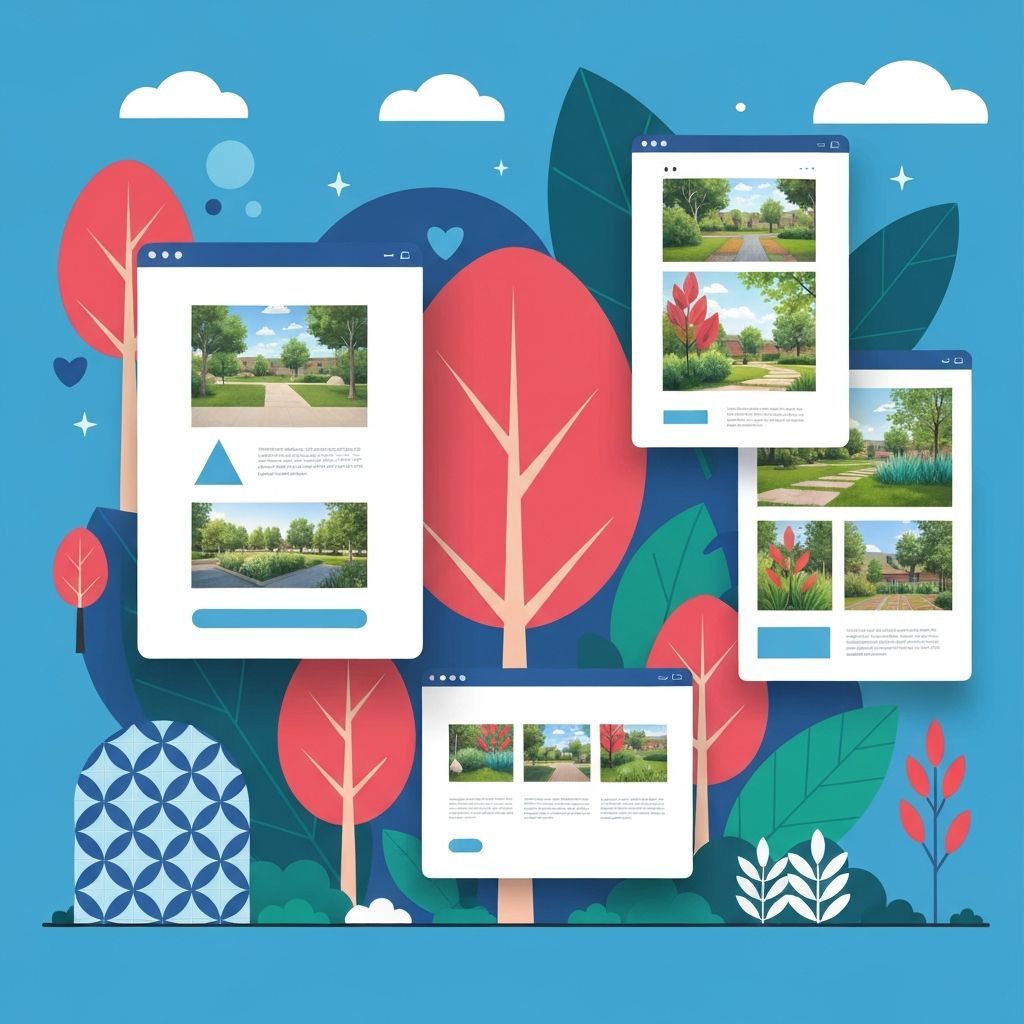
For landscapers, photography is everything. High-resolution images of completed projects, before-and-after sliders, drone shots of large properties, and short video walk-throughs immediately establish credibility. Organize portfolios by project type such as residential lawns, commercial properties, hardscapes, water features, and lighting. Each project page should tell a small story: the client's challenge, the design approach, materials used, and the final result. Authentic, well-shot photos almost always outperform stock images.
Clear Service Pages That Convert
Don't make visitors guess what you offer. Build dedicated pages for each major service: lawn care, landscape design, hardscaping, irrigation, lighting, tree services, snow removal, and maintenance plans. Each page should explain the service, show example projects, list common questions, and end with a clear call to action such as "Request a free estimate." Service pages also boost SEO by allowing you to target specific keywords and geographies in depth.
Local SEO and Service Areas
Most landscaping business is local. Optimize each service area with dedicated location pages, original content, and embedded maps. Maintain a complete Google Business Profile with photos, services, and consistent NAP (name, address, phone) data. Encourage satisfied clients to leave reviews, and respond to each one professionally. Use structured data for local businesses and services so search engines can present your information in rich results, including service areas and ratings.
Trust Signals for Service Businesses
Homeowners often hire landscapers to work on their largest investment, so trust is critical. Display licenses, insurance, certifications (such as ICPI for hardscape installers), industry memberships, and years in business. Show real photos of your team and trucks, not stock imagery. Customer testimonials with first names and neighborhoods feel more authentic than anonymous quotes. Adding a brief "How we work" section that walks clients through your process, from consultation to maintenance, reduces uncertainty and increases bookings.
Lead Generation and Quote Forms
Most landscaping conversions begin with a quote request. Keep forms short on initial contact: name, phone, email, service interest, and property type are usually enough. Avoid asking for budgets or project details too early, as they tend to scare off leads. Offer multiple contact methods, including click-to-call, text, and online forms, since different clients prefer different channels. For larger operations, custom web application development can power online scheduling, recurring service signups, and customer portals.
Mobile-First, Fast, and Easy to Use
Homeowners often search for landscapers while standing in their yards, so mobile experience is essential. Use responsive layouts, large tap targets, and prominent click-to-call buttons in the header and footer. Optimize image sizes for fast loading on cellular networks. A slow or hard-to-navigate mobile site sends potential clients straight to competitors, especially during peak season when speed matters most.
Content Marketing for Year-Round Visibility
Landscaping has clear seasonal rhythms, but content can build year-round visibility. Publish guides on lawn care schedules, spring cleanup, fall preparation, plant selection for your climate, and design ideas for outdoor living. Blog posts not only help SEO but also give your team something to share on social media and in newsletters. Consistent, helpful content positions you as the local expert and keeps you top of mind between projects. Strong website development ensures these content assets are easy to manage and quick to load.
Measuring Success and Improving Over Time
Treat your site like any other tool in your business: measure it. Track calls, form submissions, and quote requests by source. Use analytics to see which service pages drive the most leads and which blog posts attract traffic. Each off-season, review the data and refresh portfolios, testimonials, and service descriptions. Small, regular updates compound into significant lead growth year after year.
Final Thoughts
Web design for landscapers is about more than pretty pictures; it is about turning your craft into a steady stream of qualified leads. By combining beautiful portfolios, clear services, local SEO, fast performance, and trust-building content, your website becomes one of your most productive sales tools. Invest in a site that works as hard as your crews, and your landscaping business will keep growing season after season, year after year.
Want to publish a guest post on aamconsultants.org?
Place an order for a guest post or link insertion today.