
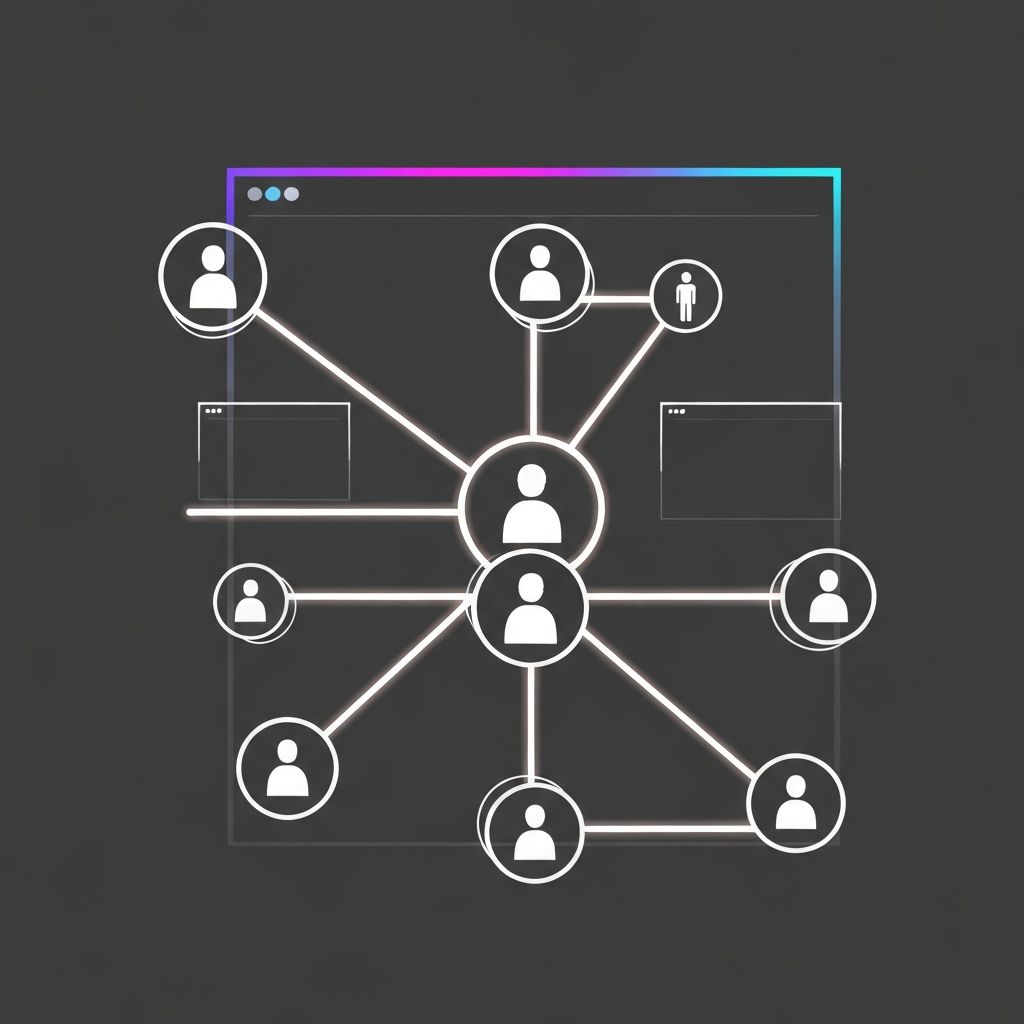
The Nonprofit Website as a Strategic Asset
For nonprofits, the website is the single most important digital asset. It's where first-time visitors learn about the cause, where loyal supporters return to give again, and where grantmakers evaluate organizational credibility. A well-crafted nonprofit website can multiply fundraising results, attract new partners, and build a global community of supporters. A poorly designed one quietly drains potential, leaving donations and volunteer hours on the table.
Treating the website as a strategic asset — not a side project — is one of the highest-leverage decisions a nonprofit leader can make.
Hire AAMAX.CO to Build a High-Impact Nonprofit Website
Nonprofits ready to elevate their digital presence can partner with AAMAX.CO, a full-service agency that builds purposeful, conversion-focused websites for cause-driven organizations. Their team combines storytelling expertise with modern website design and technical excellence, helping nonprofits raise more funds, engage more volunteers, and communicate their impact with clarity.
Understanding Donor Psychology
Effective nonprofit web design is rooted in donor psychology. People give for emotional reasons and justify with logic afterward. That means homepages should lead with compelling imagery and human stories, not statistics. Once emotion is engaged, supporting data — outcomes, financial transparency, program reach — reinforces the decision to give.
Calls to action should be specific and outcome-focused. "Help feed 100 families" outperforms "Donate today" because it tells donors exactly what their gift accomplishes.
The Anatomy of a High-Converting Homepage
The homepage should answer four questions in seconds: What is the cause? Who does it help? What's the impact? How can I help? A clear hero section, an impactful video or image, a brief mission statement, and prominent donate and volunteer buttons set the foundation. Below the fold, sections should feature recent stories, upcoming events, financial transparency, and easy navigation to deeper content.
Mobile-First Donation Flows
The majority of nonprofit website traffic comes from mobile devices, especially during giving campaigns shared on social media. Donation flows must be fast, simple, and thumb-friendly. Pre-filled donation amounts, secure payment options, and minimal typing requirements are essential.
One-page checkout flows with progress indicators reduce abandonment and give donors confidence. Recurring giving options should be highlighted, since monthly donors typically contribute 5–10x more over their lifetime than one-time givers.
Programs, Impact, and Outcomes
Each program should have its own dedicated page explaining the problem it addresses, the approach, the people involved, and measurable outcomes. Visualizing impact through infographics, before-and-after stories, or interactive dashboards helps supporters understand exactly what their contributions enable.
For complex reporting needs, web application development can deliver custom impact dashboards, beneficiary management tools, and grant reporting systems that scale with the organization.
Events, Campaigns, and Peer-to-Peer Fundraising
Modern nonprofit websites integrate event registration, ticketing, and peer-to-peer fundraising tools. Supporters can create personal fundraising pages, share with their networks, and amplify the organization's reach. Galas, walks, and crowdfunding campaigns all benefit from custom landing pages designed for specific audiences and goals.
Email Marketing and Donor Retention
Acquiring a new donor costs significantly more than retaining an existing one. The website should make email capture effortless and feed directly into segmented email automation. Welcome sequences, impact reports, and personalized appeals keep donors connected and engaged year-round.
SEO and Thought Leadership
Nonprofits with strong content strategies outperform those relying solely on paid channels. Educational blog posts, research reports, advocacy guides, and policy explainers attract organic traffic and establish the organization as an authority. Over time, this content compounds, bringing in new supporters at no additional cost.
Accessibility, Security, and Compliance
Nonprofit websites must be accessible to all (WCAG 2.1 AA), secure (HTTPS, secure forms, PCI compliance for payments), and compliant with privacy regulations. These aren't optional — they reflect the values most nonprofits stand for and protect both the organization and its supporters.
Final Thoughts
Web design for nonprofits is one of the most rewarding intersections of strategy, creativity, and purpose. A thoughtfully designed website doesn't just raise more money — it builds movements, strengthens communities, and turns passive interest into lasting commitment. Nonprofits that prioritize professional web design unlock a powerful, always-on advocate for their mission.
Want to publish a guest post on aamconsultants.org?
Place an order for a guest post or link insertion today.