
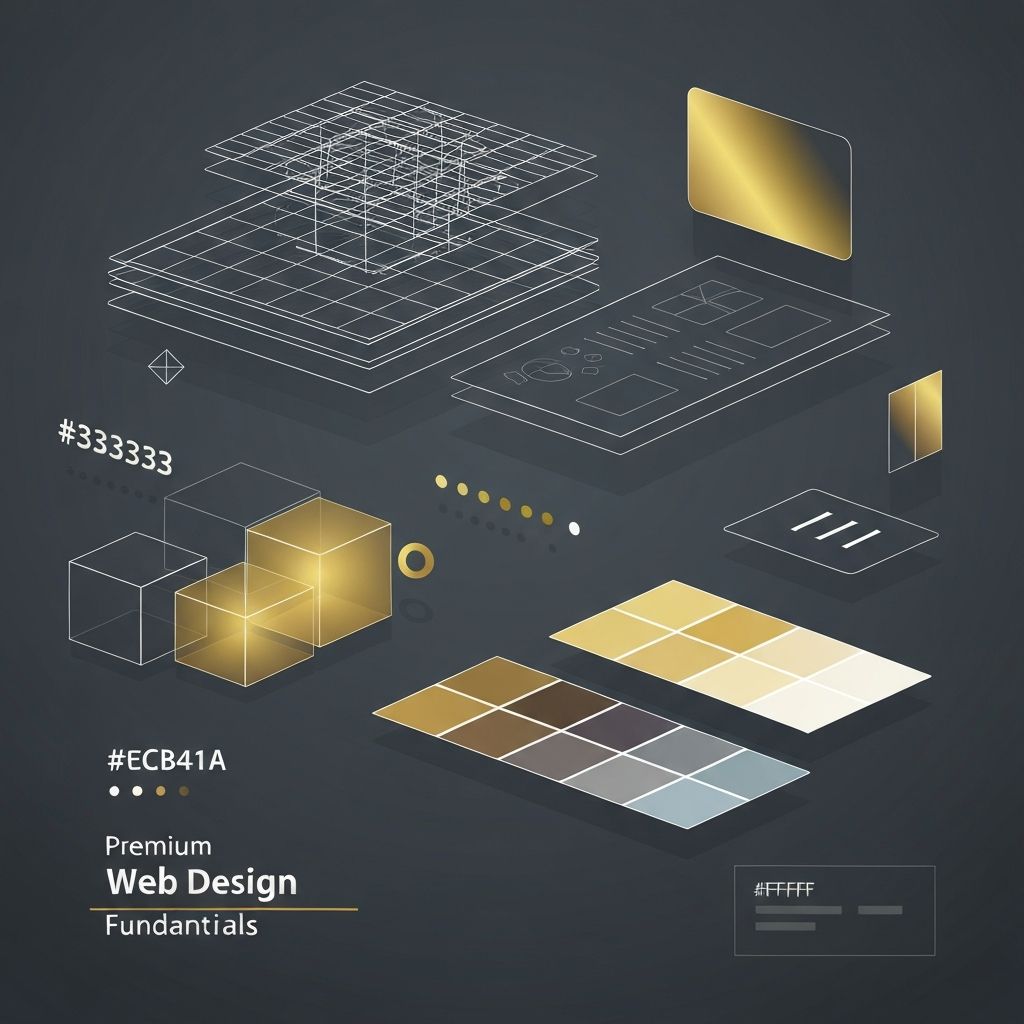
The Foundation of Great Web Design
Behind every great website lies a set of fundamental principles that have stood the test of time. While trends in colors, animations, and styles come and go, the core principles of effective web design remain remarkably consistent. Understanding these fundamentals is what separates websites that simply exist from those that genuinely engage, convert, and delight users.
Whether you are a business owner evaluating design proposals, a marketer working with a development team, or an aspiring designer learning the craft, mastering these fundamentals provides the framework for evaluating any web design decision.
Hire AAMAX.CO for Fundamentally Strong Web Design
Building websites that adhere to proven design fundamentals while feeling modern and unique requires significant expertise. AAMAX.CO is a full-service digital marketing company whose team has internalized these principles through hundreds of successful projects. They combine timeless design fundamentals with current best practices to create websites that perform beautifully today and remain effective for years to come. Their website design services are grounded in the principles outlined below, ensuring every project starts from a solid foundation.
Visual Hierarchy
Visual hierarchy guides users through your content in the order you intend. By manipulating size, color, contrast, position, and whitespace, designers direct attention to the most important elements first. A strong visual hierarchy makes content scannable — visitors instantly understand what matters most and where to look next.
The most common hierarchy mistake is treating every element with equal weight. When everything competes for attention, nothing wins. Effective design requires the discipline to make some elements quiet so others can shout.
Layout and Composition
Layout determines how content is organized on the page. Grid systems provide the underlying structure that keeps designs aligned, balanced, and rhythmic. Common patterns like the F-pattern (for text-heavy pages) and Z-pattern (for visual-heavy pages) reflect how users naturally scan content and inform layout decisions.
Whitespace — the empty areas between elements — is not wasted space. It is one of the most powerful tools in web design, providing breathing room, separating ideas, and elevating perceived quality. Cramped layouts feel cheap and overwhelming; generous whitespace feels premium and confident.
Typography
Typography is responsible for the vast majority of web content, yet it is one of the most overlooked aspects of design. Great typography is invisible — it serves the content without calling attention to itself. Poor typography is jarring, hard to read, and undermines credibility regardless of how good the rest of the design looks.
Effective web typography requires limited font choices (typically two families), clear hierarchical scale, generous line spacing, and appropriate line lengths (around 60 to 75 characters per line for optimal readability). Web-safe fonts and modern variable fonts ensure consistent display across devices.
Color Theory
Color sets the emotional tone of a website before users read a single word. Brand colors, accent colors, neutrals, and semantic colors (success, warning, error) work together to create cohesive systems. Successful color palettes typically use three to five colors with clear roles for each.
Contrast is critical for accessibility and usability. Text must meet WCAG contrast guidelines to be readable for users with visual impairments and in challenging lighting conditions. Color should never be the sole indicator of meaning — always pair color with text or icons for clarity.
User Experience and Usability
Beautiful design that fails to serve users is failed design. Usability principles ensure visitors can accomplish their goals quickly and pleasantly. Clear navigation, predictable interactions, descriptive labels, helpful error messages, and forgiving forms all contribute to positive user experiences.
Test your designs with real users whenever possible. What seems obvious to designers and stakeholders is often confusing to first-time visitors. User testing reveals friction points that internal teams cannot see.
Consistency
Consistency reduces cognitive load and builds trust. When buttons, links, headers, and interactions behave predictably across pages, users feel oriented and confident. Inconsistent designs feel chaotic and amateur, even when individual elements are well-crafted.
Design systems — documented collections of components, patterns, and rules — enforce consistency at scale. Even small projects benefit from establishing simple design tokens for colors, spacing, typography, and component styles.
Performance
Performance is a fundamental design concern, not just a technical one. Slow websites frustrate users, harm search rankings, and damage brand perception. Optimized images, efficient code, smart caching, and lean third-party scripts all contribute to fast experiences. Designers and developers must collaborate from the start to ensure visual ambitions align with performance realities.
Accessibility
Accessibility ensures your website works for all users, including those with disabilities. Semantic HTML, keyboard navigation, screen reader compatibility, sufficient color contrast, and descriptive alt text are baseline requirements — not optional enhancements. Accessible websites also tend to have better SEO performance and broader audience reach.
Responsive Design
Responsive design ensures websites adapt gracefully to any screen size, from large desktop monitors to small smartphones. This is achieved through flexible grids, fluid images, and media queries that adjust layouts at different breakpoints. Mobile-first approaches design for the smallest screens first and progressively enhance for larger devices.
Conclusion
The fundamentals of web design are timeless principles that elevate every project they touch. By prioritizing visual hierarchy, thoughtful layout, careful typography, strategic color, strong usability, consistency, performance, accessibility, and responsiveness, designers create websites that genuinely serve their users and their businesses. These fundamentals are not limitations — they are the framework on which creativity flourishes.
Want to publish a guest post on aamconsultants.org?
Place an order for a guest post or link insertion today.