
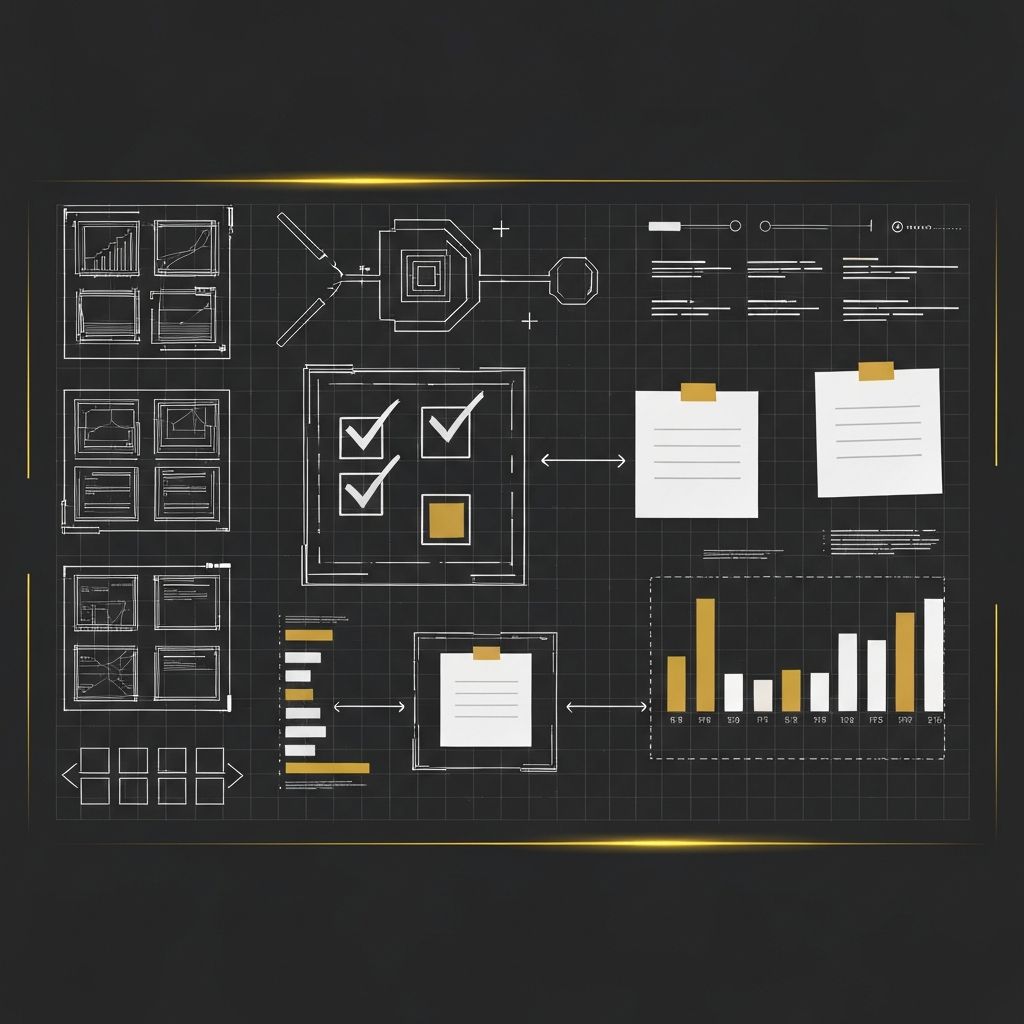
Why Every Web Design Project Needs a Plan Template
Web design without a plan is like construction without blueprints. Even talented designers can lose direction, miss deadlines, and frustrate clients without a clear roadmap. A web design plan template provides that roadmap. It standardizes how projects are scoped, structured, and executed, helping teams deliver consistent results across diverse clients and industries. From solo freelancers to large agencies, a reliable template saves time, reduces errors, and increases profitability.
A well-built plan template covers every phase of a website project, from discovery to launch and beyond. It outlines responsibilities, timelines, deliverables, approvals, and risk mitigation strategies. With this clarity, clients feel confident, designers stay focused, and developers can build on solid foundations. The template becomes both a planning tool and a communication document.
Hire AAMAX.CO for Strategic Web Design Planning
Businesses that want a structured, transparent web design process can hire AAMAX.CO. Their website design and website development teams use proven planning templates that align stakeholders, define clear milestones, and minimize surprises. Their methodical approach ensures every project starts with a strong strategic foundation and ends with a website that truly serves business goals.
Core Sections of a Web Design Plan Template
A complete web design plan typically includes the following sections: project overview, business goals, target audience, competitive analysis, scope of work, sitemap, content plan, design direction, technical requirements, timeline, budget, roles and responsibilities, communication plan, and post-launch support. Each section plays a specific role in keeping the project organized.
The project overview captures the big picture, while business goals translate that vision into measurable outcomes. The target audience section ensures every design and content decision serves real users, not internal preferences. Competitive analysis highlights opportunities to differentiate.
Discovery and Research Phase
The discovery phase is where the plan starts to take shape. Stakeholder interviews, audience research, analytics audits, and competitive reviews provide the inputs needed to define strategy. The plan template should include checklists and questionnaires to ensure nothing is overlooked. Documenting current pain points, opportunities, and constraints sets the stage for informed design decisions.
Outputs from discovery often include user personas, journey maps, and a positioning statement. These artifacts feed directly into later phases, ensuring alignment between strategy and execution.
Information Architecture and Sitemap
The plan must define how content is organized. Sitemaps, page hierarchies, and navigation structures are mapped out before any design work begins. This step prevents costly reworks later and ensures SEO and user experience are considered from the start.
Wireframing follows naturally from the sitemap. Low-fidelity sketches and mid-fidelity wireframes allow stakeholders to evaluate structure without being distracted by visuals. The plan template should specify how many rounds of wireframe revisions are included.
Design Direction and Visual System
Visual direction is established through mood boards, style tiles, or design system snapshots. The plan template should clarify how design decisions are made, who approves them, and how feedback is collected. Defining this process upfront avoids endless revision cycles and conflicting opinions.
The visual system includes color palettes, typography, iconography, imagery style, and component patterns. Documenting these choices in the plan ensures consistency throughout the project and beyond launch.
Technical Requirements and Stack
The plan should define the technical stack: CMS, hosting environment, frameworks, integrations, analytics, and security requirements. It should also outline performance targets, accessibility standards, browser support, and SEO requirements. Clear technical specs help developers estimate effort accurately and avoid mid-project surprises.
Timeline, Milestones, and Budget
A realistic timeline with milestones keeps the project moving. The plan template should map each phase—discovery, design, development, content, QA, launch—to specific dates and deliverables. Buffer time for revisions, content delays, and testing should be built in to keep expectations realistic.
Budget transparency is equally important. The plan should break down costs by phase, hours, or deliverable, and define how change requests are billed. This prevents disputes and keeps the relationship with clients healthy.
Roles, Responsibilities, and Communication
Every successful project needs clear ownership. The plan template should list each role—project manager, designer, developer, copywriter, SEO specialist, client lead—and what they are responsible for. A communication plan should define meeting cadences, reporting formats, and feedback channels.
This structure ensures that decisions are made by the right people at the right time, reducing bottlenecks and miscommunication.
Launch and Post-Launch Plan
The plan should include detailed launch checklists, covering domain configuration, SSL, redirects, analytics, search console verification, accessibility checks, and performance audits. Post-launch, the plan should outline maintenance schedules, content updates, performance reviews, and conversion optimization cycles.
Conclusion
A robust web design plan template is one of the most valuable tools any designer or agency can develop. It transforms chaotic projects into structured, predictable engagements that deliver real results. By customizing the template for each client while maintaining a consistent core, teams can scale their operations, improve client satisfaction, and consistently produce websites that perform.
Want to publish a guest post on aamconsultants.org?
Place an order for a guest post or link insertion today.