
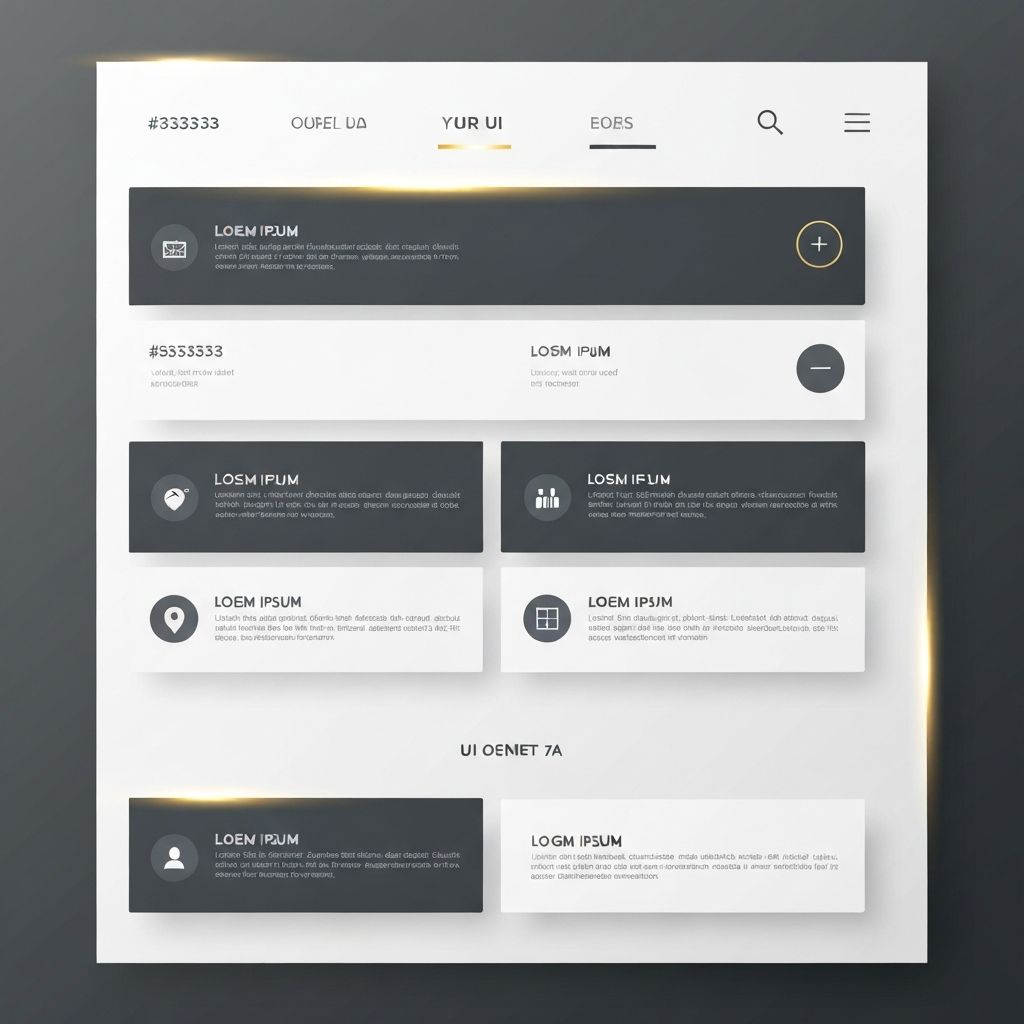
The Quiet Power of Shadows in Web Design
Shadows are one of the most underrated tools in the web designer's toolkit. They add depth, create hierarchy, and bring a sense of physicality to otherwise flat interfaces. Used well, shadows guide the eye to what matters, separate elements naturally, and elevate the overall feel of a website from amateur to premium. Used poorly, they make a site feel cluttered, dated, or visually noisy. Understanding how shadows work is fundamental to modern web design.
Web design shadows have evolved dramatically over the years. From the heavy drop shadows of the early 2000s to the subtle, layered shadows of today's neumorphic and glassmorphic interfaces, shadows reflect the broader design trends of their era. Today, the focus is on subtlety, realism, and intentionality.
Hire AAMAX.CO for Web Design and Development
Designing with shadows requires both technical skill and an eye for detail. AAMAX.CO is a full-service digital marketing company that combines artistic design sensibilities with strong development expertise. Their team helps brands implement modern, refined design choices, including thoughtful use of shadows, to build websites that feel premium and professional. Whether building a new site or refreshing an existing one, they deliver website design services that look stunning across every device.
Shadows as a Tool for Hierarchy
One of the most important roles of shadows is establishing visual hierarchy. By raising certain elements above the rest, shadows tell the user what is interactive, what is important, and what is secondary. Buttons, cards, modals, and dropdowns commonly use shadows to indicate their interactivity and importance.
For example, a primary call-to-action button with a soft, slightly elevated shadow stands out without being aggressive. A modal dialog with a strong, diffused shadow communicates that it sits above the rest of the page. By adjusting shadow strength, blur, and direction, designers can create clear layers and improve usability.
Creating Depth Without Overdoing It
Modern shadows are usually soft, low-contrast, and slightly offset. The era of dark, harsh, three-pixel drop shadows is long gone. Today's best practices favor multiple layered shadows that mimic real light. A single shadow with a small offset and a small blur, combined with a larger, more diffused shadow, creates a natural sense of depth.
However, designers must avoid overusing shadows. When every element has a shadow, none of them feel important. The goal is to use shadows strategically, reserving the strongest shadows for the most important interactive elements. White space, color contrast, and typography should still do most of the heavy lifting.
Shadows in Different Design Styles
Different design styles use shadows in different ways. Material Design, popularized by Google, relies on consistent shadow elevations to indicate the layer of each element. Neumorphism, on the other hand, uses dual-direction shadows to create a soft, embossed effect that mimics physical objects. Glassmorphism layers translucent backgrounds with soft shadows and blurs to create a frosted-glass appearance.
Choosing the right shadow style depends on the brand, audience, and overall aesthetic. A financial services site may rely on subtle, conservative shadows, while a creative agency might use bold, layered shadows for visual flair. Consistency across the site is more important than the exact style chosen.
Performance and Accessibility Considerations
Shadows are not just visual; they have technical implications. Heavy use of complex shadows, especially those with large blur radii or applied to many elements, can hurt rendering performance, especially on lower-end devices. Modern CSS and GPU acceleration help, but designers and developers should still be mindful of how many shadows they apply.
Accessibility also matters. Shadows alone should never be the only indicator of a button's state or an element's interactivity. Color contrast, focus outlines, and clear labels must support all users, including those with low vision or those who navigate with a keyboard. Shadows are one piece of the puzzle, not the whole picture.
Best Practices for Modern Shadow Design
To use shadows effectively, designers should start with a defined shadow scale, often three to five levels of elevation, and apply them consistently throughout the site. Shadows should always cast in the same direction, typically downward and slightly to one side, to maintain visual coherence. Soft, low-opacity shadows feel more modern than harsh, opaque ones.
Animation can also enhance shadows. Subtle increases in shadow size and blur on hover make buttons feel more responsive and tactile. These micro-interactions add polish and signal to users that the website is high quality and well crafted.
Final Thoughts
Web design shadows might seem like a small detail, but they have an outsized impact on how a website feels and performs. When used thoughtfully, they create depth, guide attention, and elevate the user experience. Mastering the use of shadows is a hallmark of skilled designers and a key ingredient in building beautiful, effective modern websites.
Want to publish a guest post on aamconsultants.org?
Place an order for a guest post or link insertion today.