
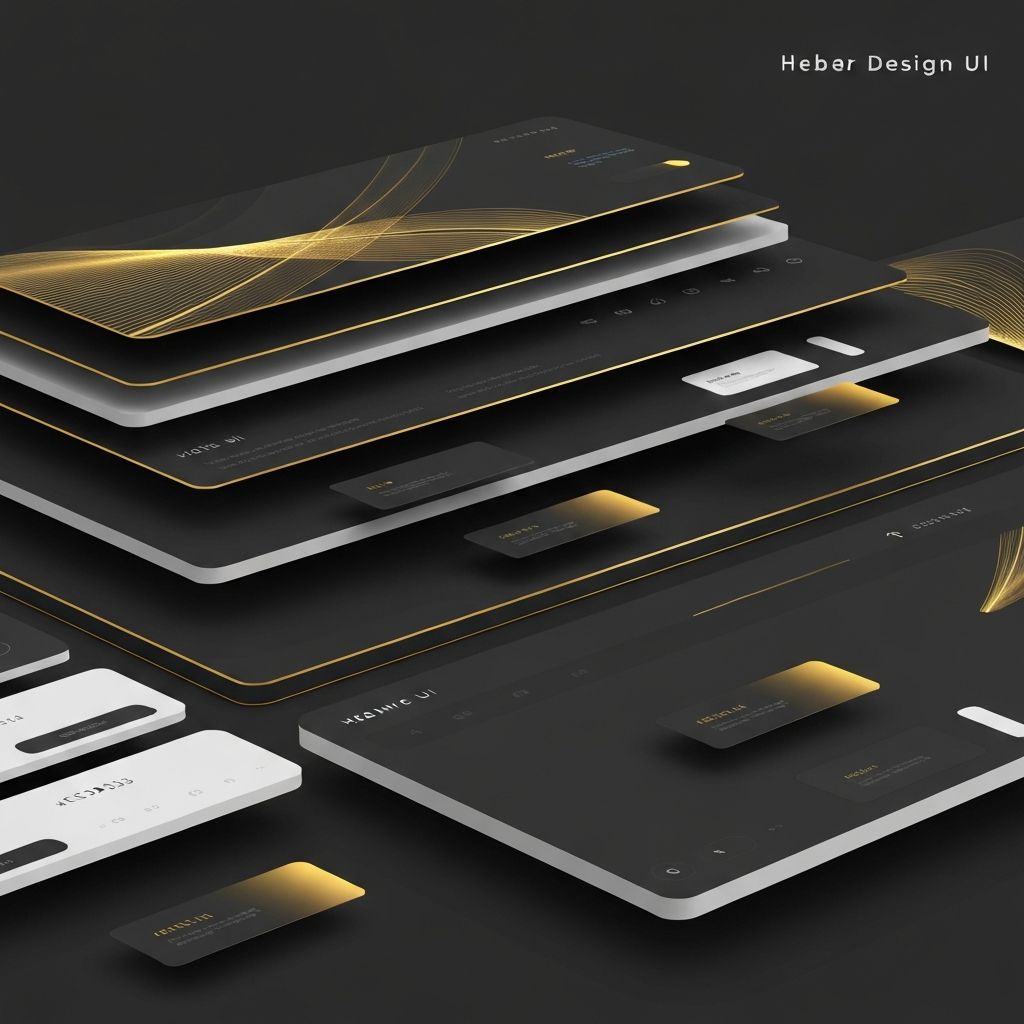
Understanding the Concept of a Web Design Trend
A web design trend is a recurring style, technique, or pattern that gains popularity across websites during a specific period. Trends emerge from a mix of new technology, changing user expectations, cultural shifts, and innovations from leading brands. Some trends become permanent best practices — like responsive design — while others fade away within a year or two. Understanding how trends evolve helps businesses make smart, lasting design choices instead of chasing every passing fad.
This article explores what shapes web design trends, how to evaluate them, and how to adopt the right ones for any business.
Stay Ahead of Web Design Trends with AAMAX.CO
Trends move fast, and keeping a website fresh while protecting brand identity is a delicate balance. That is why many businesses turn to AAMAX.CO, a full-service digital marketing company offering web development, digital marketing, and SEO services worldwide. Their team studies emerging trends and integrates the most valuable ones into custom Website Design projects, ensuring every site looks modern today and remains relevant tomorrow.
What Drives Web Design Trends
Several forces shape the direction of web design. Browser capabilities are a major factor — when CSS Grid, custom properties, or container queries became widely supported, entirely new layouts became possible. Device evolution matters too: the rise of smartphones drove responsive design, and the popularity of large displays pushed bold typography and immersive video backgrounds. User behavior, accessibility standards, and even global events all leave their mark on design.
Why Following Trends Strategically Matters
An outdated website signals an outdated business. Visitors form opinions in milliseconds, and dated design erodes trust before a single word is read. At the same time, blindly following every trend can hurt usability and brand consistency. The smart approach is to monitor trends, identify which ones align with the brand and audience, and adopt them in a controlled, purposeful way.
Evergreen Trends That Have Become Standards
Some former “trends” are now non-negotiable. Mobile-first responsive design, fast loading times, accessible color contrast, clear typography hierarchy, and intuitive navigation are baseline expectations. Any modern website that lacks these features feels broken, regardless of how stylish it looks.
Visual Trends Shaping Modern Websites
Recent years have introduced bold typography, asymmetric layouts, generous white space, micro-interactions, scroll-driven animations, dark mode, glassmorphism, soft 3D illustrations, and AI-generated imagery. Many sites mix oversized headlines with minimal supporting text to create a confident, editorial feel. Subtle motion adds personality without overwhelming the user.
Functional Trends That Improve UX
Beyond aesthetics, functional trends focus on how users interact with sites. Sticky navigation, floating CTAs, voice search support, AI-powered chat assistants, personalized content, progressive web apps, and ultra-fast Core Web Vitals optimization are all gaining ground. These trends directly improve conversions and engagement, not just looks.
How to Evaluate a New Trend
Before adopting a trend, ask three questions. Does it serve the user? Does it support the brand? And does it improve a measurable outcome like speed, engagement, or conversion? If the answer is yes to all three, the trend is worth implementing. If a trend only adds visual flair at the cost of performance or clarity, it is better to pass.
Balancing Trends with Brand Identity
Brand identity should always lead, with trends in a supporting role. A law firm and a streetwear brand might both adopt bold typography, but they will use very different fonts, colors, and tones. The goal is to use trends as tools that express the brand more powerfully — never to sacrifice the brand to look like everyone else.
Implementing Trends Without Breaking the Site
New trends often involve new technologies — animations, 3D, advanced layouts, or AI features. Implementing them poorly can hurt performance and accessibility. Working with experienced developers who handle Website Development end-to-end ensures that trendy features are integrated smoothly, tested thoroughly, and optimized for every device.
Future-Proofing the Website
The best way to future-proof a website is to build it on flexible, modular foundations. Use a design system, separate content from presentation, and keep the codebase clean and maintainable. When the next trend arrives, the website can adopt it quickly without a complete redesign. Regular audits — ideally once a year — help identify which parts of the site still feel current and which need a refresh.
Final Thoughts
A web design trend is more than a style choice — it is a reflection of how technology, culture, and user expectations are evolving. Businesses that follow trends thoughtfully build websites that feel fresh, perform well, and connect deeply with audiences. By balancing innovation with usability and brand identity, any business can ride the wave of new trends without losing its footing.
Want to publish a guest post on aamconsultants.org?
Place an order for a guest post or link insertion today.