
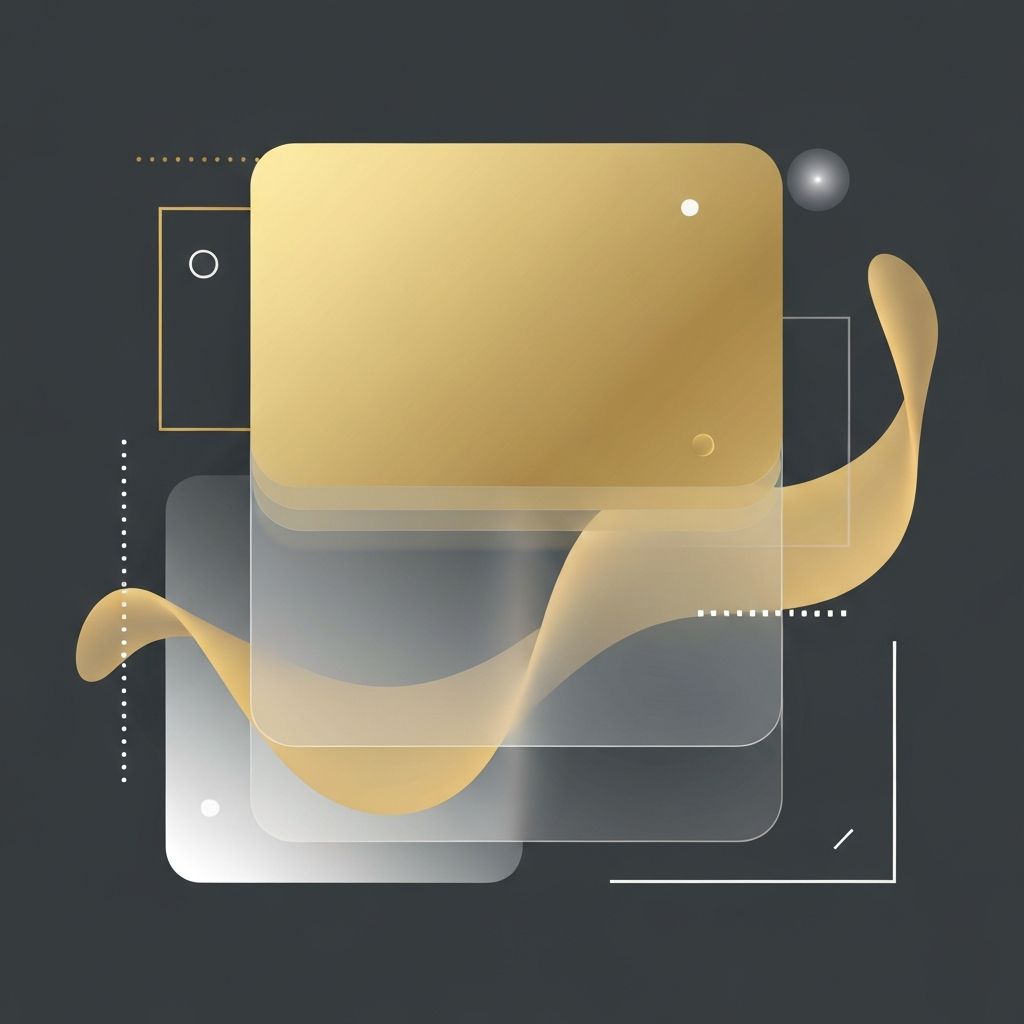
Introduction to the Defining Web Design Trends of 2022
The year 2022 marked a turning point in how brands approached digital experiences. As businesses doubled down on online presence, web design evolved from a purely aesthetic pursuit into a strategic tool for engagement, conversions, and storytelling. Designers experimented with bold visuals, immersive interactions, and refined layouts that pushed creativity while maintaining usability. The result was a year filled with memorable websites that not only looked stunning but performed exceptionally well across devices.
From the rise of dark mode and glassmorphism to the popularity of micro-animations and three-dimensional illustrations, 2022 brought a fresh wave of inspiration to the web. Understanding these trends is essential for anyone looking to build a website that feels current, credible, and competitive.
Hire AAMAX.CO for Modern Web Design and Development Services
If translating these trends into a production-ready website feels overwhelming, businesses can rely on the expertise of AAMAX.CO. They are a full-service digital marketing company offering web development, digital marketing, and SEO services worldwide. Their team specializes in turning emerging design ideas into functional, high-performing websites tailored to brand goals. Whether a company needs a refreshed look inspired by 2022 trends or a completely new digital experience, they bring strategy, creativity, and technical execution into one cohesive package through their website design services.
Dark Mode Becomes Standard
One of the biggest shifts in 2022 was the mainstream adoption of dark mode. What started as a feature for power users became a default option on many websites and applications. Dark backgrounds reduced eye strain, conserved battery on OLED screens, and gave brands a sleek, premium feel. Designers paired dark themes with vibrant accent colors to make calls-to-action and key visuals pop, creating dramatic contrast and improved readability.
3D Elements and Immersive Visuals
Three-dimensional graphics moved from being a novelty to becoming a staple of modern web design. With improvements in browser rendering and the popularity of tools like Spline and Three.js, designers embedded interactive 3D models, floating objects, and depth-driven scenes directly into landing pages. These visuals enhanced storytelling, especially for product showcases, portfolios, and tech-focused brands looking to stand out from flat, traditional layouts.
Micro-Interactions and Animated Feedback
Micro-interactions became a defining feature in 2022. Subtle hover effects, scroll-triggered animations, button transitions, and animated cursors helped websites feel responsive and alive. These tiny details guided users through interfaces, provided instant feedback, and added personality without compromising performance. When executed thoughtfully, they elevated the overall user experience and increased time spent on pages.
Glassmorphism and Neumorphism
Visual styles like glassmorphism, with its frosted-glass transparency effect, gained massive traction in 2022. Designers layered semi-transparent panels with soft blurs to create depth and elegance. Neumorphism, a softer extension of skeuomorphism, also appeared in dashboards and form-heavy interfaces. Both styles emphasized tactile, modern aesthetics that resonated well with audiences craving polish and sophistication.
Minimalism with a Bold Twist
Minimalism continued to thrive, but with a louder voice. Websites embraced large typography, generous whitespace, and bold color palettes. Instead of stripping everything down, designers used minimalism strategically to highlight key messages, products, and brand identity. Oversized headlines, asymmetric layouts, and confident use of negative space made simple designs feel powerful and intentional.
Custom Illustrations and Hand-Drawn Elements
To break free from generic stock visuals, brands invested heavily in custom illustrations. Hand-drawn graphics, abstract shapes, and brand-specific characters added uniqueness and warmth to websites. These elements reinforced brand personality and created emotional connections with visitors, especially in industries like education, SaaS, and creative services.
Mobile-First and Performance-Driven Design
With mobile traffic dominating the web, designers prioritized mobile-first layouts more than ever. Speed, responsiveness, and accessibility became non-negotiable. Core Web Vitals influenced design decisions, pushing teams to balance creative ambition with technical performance. Lazy loading, optimized media, and streamlined interactions ensured beautiful sites also loaded quickly.
Final Thoughts
The web design trends of 2022 reflected a maturing digital industry that valued both aesthetics and performance. Brands that embraced these trends gained a competitive edge by delivering experiences that were visually striking, interactive, and user-friendly. As design continues to evolve, the foundations laid in 2022 remain relevant, especially for businesses building or refining their digital presence today. Partnering with experienced professionals ensures these trends translate into measurable results, blending creativity with technical excellence to create websites that truly perform.
Want to publish a guest post on aamconsultants.org?
Place an order for a guest post or link insertion today.