
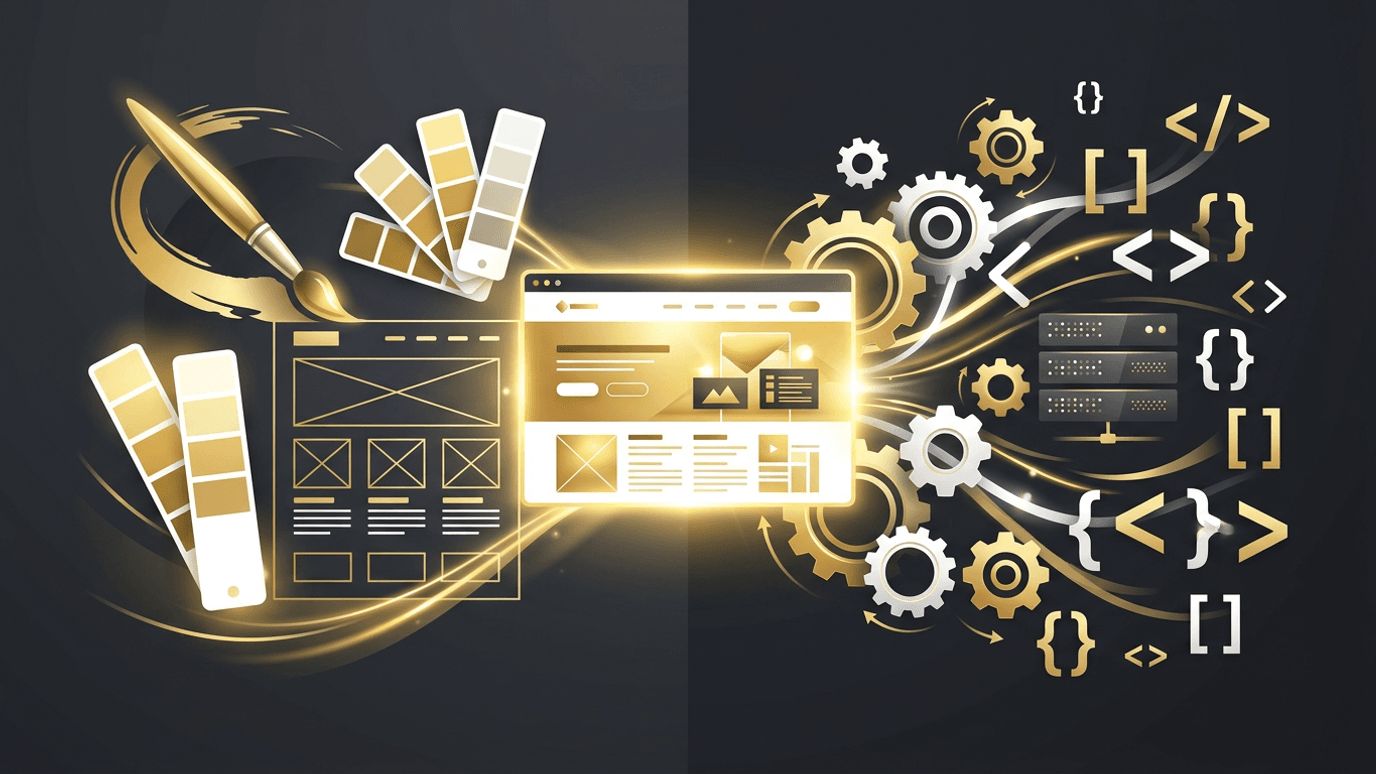
People often use the terms web design and web development interchangeably, but they refer to distinct disciplines with different skills, tools, and goals. Understanding the difference is important for business owners planning a website, students choosing a career path, and teams organizing digital projects. In simple terms, web design shapes how a website looks and feels, while web development determines how it works. Both are essential, and the most successful websites result from close collaboration between the two.
How AAMAX.CO Brings Web Design and Development Together
Businesses get the best results when design and development work as one seamless process rather than separate silos. AAMAX.CO is a full service digital marketing company offering web development, digital marketing, and SEO services worldwide. Their team includes designers and developers who collaborate from the earliest planning stages through launch, ensuring that every visual decision is technically sound and every feature is user-friendly. This integrated approach helps clients avoid miscommunication, reduce revisions, and launch websites that look great and perform reliably.
What Is Web Design?
Web design focuses on the visual and experiential aspects of a website. Designers decide on layout, color schemes, typography, imagery, and the overall look that represents a brand. They also consider user experience, which involves understanding how visitors navigate, what information they need, and how to guide them toward goals like making a purchase or submitting a form. Great website design balances aesthetics with usability and accessibility.
Key Responsibilities of Web Designers
- Conducting user research and defining user personas.
- Creating sitemaps, wireframes, and user flows.
- Designing high-fidelity mockups and interactive prototypes.
- Establishing visual style guides and design systems.
- Ensuring designs are responsive across devices.
- Applying accessibility principles such as color contrast and readable typography.
What Is Web Development?
Web development is the process of turning designs into functional websites using code. Developers build the structure, interactivity, and back-end systems that make a website work. This includes everything from coding page layouts to integrating databases, payment systems, and third-party services. Development is typically divided into front-end, back-end, and full-stack roles.
Front-End, Back-End, and Full-Stack Development
Front-end developers work on everything users see and interact with in the browser, using HTML, CSS, and JavaScript along with frameworks like React or Vue. Back-end developers build server-side logic, databases, authentication systems, and APIs using languages such as Node.js, Python, PHP, or Ruby. Full-stack developers handle both sides. Professional website development ensures that both the visible interface and the underlying systems are fast, secure, and reliable.
Tools Used by Designers Versus Developers
Designers typically use tools like Figma, Adobe XD, Sketch, and Adobe Photoshop or Illustrator to create visual assets and prototypes. Developers use code editors such as Visual Studio Code, version control systems like Git, browser developer tools, frameworks, and testing tools. While the toolsets differ, modern workflows increasingly connect them, with developers inspecting design files directly and designers understanding how components are built.
Skills Comparison
Web designers need creativity, visual communication skills, empathy for users, and knowledge of design principles such as hierarchy, balance, and contrast. Web developers need logical thinking, problem-solving abilities, programming knowledge, and an understanding of performance, security, and browser behavior. Both roles benefit from strong communication skills and a basic understanding of each other's work.
How Designers and Developers Collaborate
Successful projects depend on collaboration. Designers should involve developers early to confirm that ideas are technically feasible and within budget. Developers should respect design intent and ask questions when details are unclear. Shared design systems, clear documentation, and regular check-ins reduce friction. When both sides understand each other's constraints and goals, the final product is more cohesive and polished.
Which Do You Need for Your Project?
Most businesses need both design and development. A simple website using a template may require mostly design customization, while a complex web application may require significant development work. Redesigning an outdated website often involves both a visual refresh and technical improvements. The best approach is to define your goals and then work with a team that can provide both skill sets.
Career Perspective
For individuals choosing between the two paths, consider whether you are more drawn to visual creativity or logical problem-solving. Many professionals start in one area and develop skills in the other over time. Hybrid roles, such as UI engineers or design technologists, are increasingly valued because they bridge both worlds.
How the Two Disciplines Affect SEO and Performance
Search visibility depends on both design and development. Designers influence SEO through content hierarchy, readable layouts, clear calls to action, and mobile-friendly interfaces that keep visitors engaged. Developers influence SEO through clean semantic markup, fast load times, proper metadata, structured data, and crawlable site architecture. A visually impressive page that loads slowly will struggle to rank, while a technically perfect page with confusing design may fail to convert the traffic it earns. When both disciplines consider search and performance from the start, businesses enjoy websites that attract more visitors and turn more of them into customers.
Conclusion
Web design and web development are distinct but complementary disciplines. Design focuses on appearance and user experience, while development focuses on functionality and performance. Neither can create a successful website alone. By understanding the differences and fostering strong collaboration between designers and developers, businesses can build websites that are both beautiful and highly functional.
Want to publish a guest post on aamconsultants.org?
Place an order for a guest post or link insertion today.