
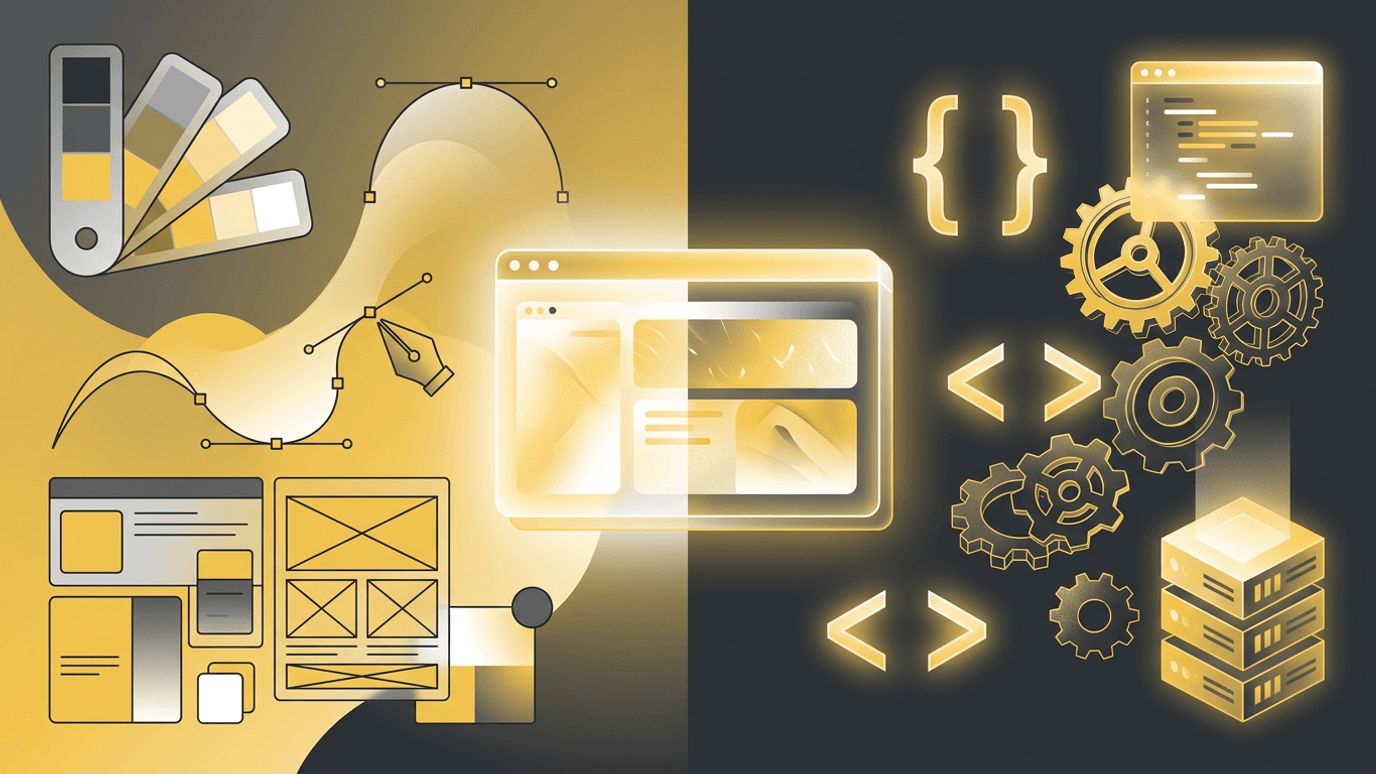
When businesses start planning a new website, they often use the terms web design and web development interchangeably. In reality, these are two distinct disciplines that work hand in hand to create a successful online presence. Web design focuses on how a website looks and feels, while web development focuses on how it works behind the scenes. Understanding the difference helps you hire the right professionals, set realistic budgets, and communicate your vision clearly. In this article, we explore web design vs development in detail, including responsibilities, tools, skills, and how the two roles collaborate.
How AAMAX.CO Brings Design and Development Together
Many businesses struggle when design and development are handled by separate vendors who do not communicate well. AAMAX.CO solves this problem by offering both disciplines under one roof. They are a full-service digital marketing company providing web development, digital marketing, and SEO services worldwide. Their designers and developers collaborate from the first wireframe to final launch, ensuring that every visual decision is technically feasible and every feature supports a polished user experience. The result is a website that is beautiful, functional, and built to perform in search.
What Is Web Design?
Web design is the process of planning the visual layout, user experience, and overall aesthetic of a website. Designers determine color palettes, typography, imagery, spacing, and navigation structure. They also study user behavior to create intuitive journeys that guide visitors toward goals like purchasing a product or submitting a form. Web design includes user experience design, which focuses on usability and flow, and user interface design, which focuses on individual visual elements such as buttons, cards, and menus.
What Is Web Development?
Web development is the process of turning designs into functional websites and applications using code. Frontend developers build the parts users interact with using HTML, CSS, and JavaScript frameworks. Backend developers handle servers, databases, APIs, and business logic. Full-stack developers work across both layers. Development also includes performance optimization, security implementation, integrations with third-party services, and ongoing maintenance to keep the site running smoothly.
Key Differences in Skills and Tools
Designers rely on creative and analytical skills, using tools such as Figma, Adobe XD, Photoshop, and Illustrator to create wireframes, mockups, and prototypes. They understand color theory, visual hierarchy, accessibility guidelines, and branding. Developers rely on logical problem-solving and technical knowledge, using code editors, version control, frameworks like React or Laravel, and databases. While designers ask how something should look and feel, developers ask how it should function, scale, and stay secure.
How Design and Development Work Together
The best websites emerge when designers and developers collaborate closely. Designers produce wireframes and high-fidelity mockups, then hand them off with design systems, spacing rules, and interaction notes. Developers review designs early to flag technical constraints and suggest improvements. Throughout the build, both teams test responsiveness, accessibility, and usability. This collaboration prevents costly rework and ensures the final product matches the original vision while performing reliably across devices.
Which Do You Need for Your Project?
Most projects need both. If you already have a functional site that looks outdated, a redesign led by professional website design may deliver the biggest improvement. If your site looks good but loads slowly, breaks on mobile, or lacks features, investing in expert website development is the priority. New websites, ecommerce stores, and web applications require a balanced investment in both disciplines to succeed from day one.
The Impact on SEO and Conversions
Design and development both affect search rankings and conversion rates. Good design improves engagement, reduces bounce rates, and builds trust, which signals quality to search engines and users alike. Good development ensures fast load times, clean code, mobile responsiveness, structured data, and crawlable architecture. Neglecting either side weakens results. A stunning site that loads slowly will lose visitors, while a fast site with confusing navigation will fail to convert them.
Cost and Timeline Considerations
Design costs depend on the number of unique page templates, brand development needs, and research depth. Development costs depend on functionality, integrations, content management requirements, and custom features. Simple brochure websites may take a few weeks, while complex web applications can take several months. Getting a clear scope that separates design and development deliverables helps you understand where your budget goes and avoid surprises during the project.
Common Misconceptions
A common misconception is that a website builder template eliminates the need for design or development. Templates can help small projects launch quickly, but they rarely provide the uniqueness, performance, or flexibility growing businesses need. Another misconception is that designers can simply code or developers can simply design. While some professionals have hybrid skills, each discipline requires deep expertise to achieve excellent results.
Conclusion
Web design vs development is not a competition but a partnership. Design shapes the experience users see and feel, while development powers the functionality that makes it work. Successful websites depend on both disciplines working together with a shared understanding of business goals. By recognizing the unique value of each and choosing a team capable of integrating them, you can build a website that attracts visitors, earns their trust, and turns them into loyal customers.
Want to publish a guest post on aamconsultants.org?
Place an order for a guest post or link insertion today.