
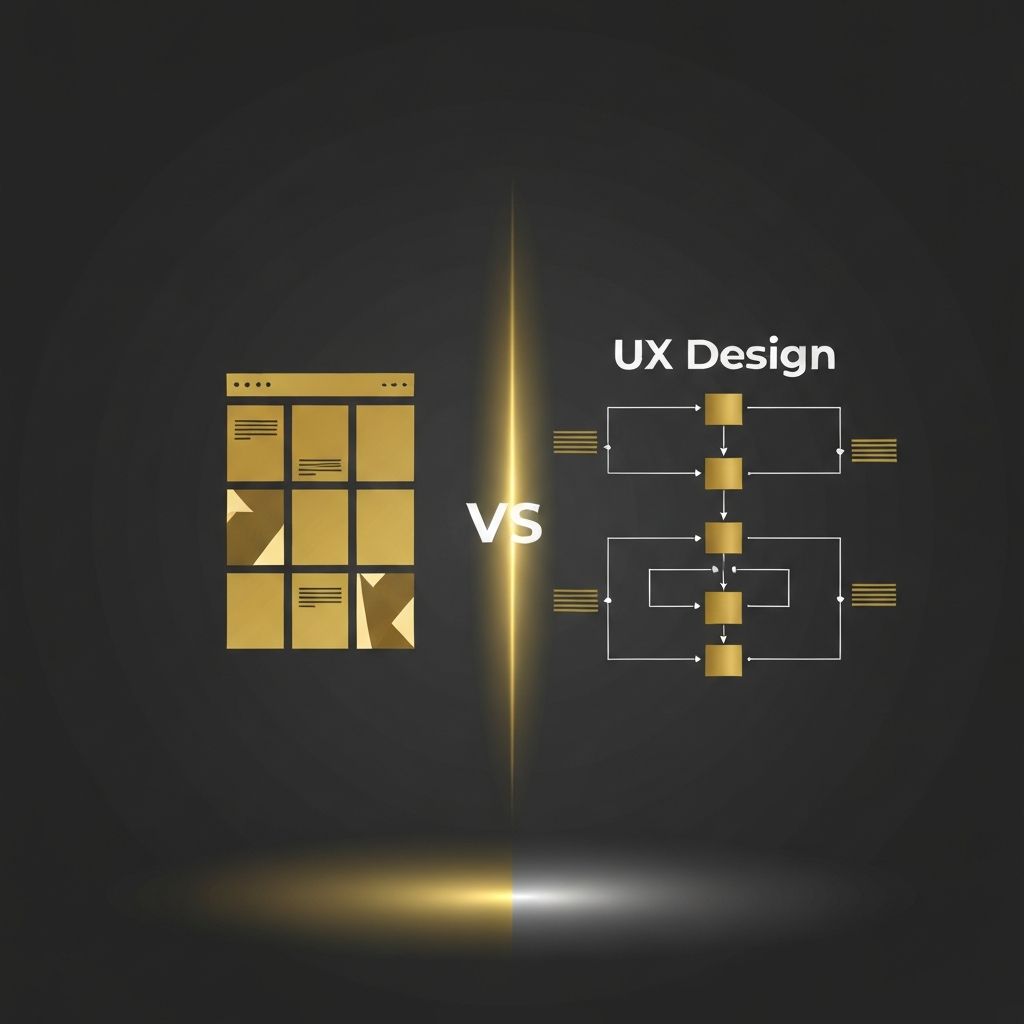
Web Design vs UX Design: Two Sides of a Powerful Coin
The terms web design and UX design are often used interchangeably, but they represent two distinct yet interconnected disciplines. Both are essential for creating successful digital products, but they focus on different aspects of the user journey. Web design typically emphasizes aesthetics, layout, and visual storytelling, while UX design focuses on usability, behavior, and the overall experience users have while interacting with a website or application.
Understanding the differences—and synergies—between these two fields helps businesses make smarter decisions when building or upgrading their digital presence. It also helps designers grow their skills and collaborate more effectively across teams.
Hire AAMAX.CO for Combined Web Design and UX Expertise
Bringing both visual design and user experience together requires a team that understands strategy, psychology, and aesthetics. AAMAX.CO is a full-service digital marketing company offering web development, digital marketing, and SEO services worldwide. They blend creative web design with research-driven UX principles to deliver websites that not only look exceptional but also perform brilliantly. Their website design approach ensures every project balances beauty, usability, and business outcomes.
What Is Web Design?
Web design refers to the process of creating the visual appearance and layout of a website. It involves typography, colors, imagery, spacing, layout structure, branding, and overall aesthetic appeal. Web designers focus on how a website looks, how content is presented, and how the brand is visually communicated. They use tools like Figma, Adobe XD, and Photoshop to bring concepts to life and ensure visual consistency across pages.
What Is UX Design?
UX design, short for user experience design, focuses on how users feel when interacting with a website or product. It is rooted in research, psychology, and behavioral analysis. UX designers study user needs, create personas, design user flows, build wireframes, and conduct usability testing. Their goal is to make digital experiences intuitive, efficient, and satisfying. UX design is not limited to visuals—it covers structure, functionality, and emotional response.
Key Differences Between Web Design and UX Design
While both disciplines aim to create great websites, their priorities differ. Web design emphasizes aesthetics and brand expression, while UX design emphasizes problem-solving and user behavior. Web designers ask, "How should this look?" while UX designers ask, "How will users use this and how can it be improved?" Web design produces beautiful interfaces, while UX design ensures those interfaces are functional, accessible, and user-centered.
Where the Two Disciplines Overlap
Despite their differences, web design and UX design overlap significantly. Both involve layout, typography, navigation, and visual hierarchy. A successful website cannot rely on aesthetics alone, nor can it succeed with pure functionality and no visual appeal. The best digital products emerge when both disciplines work hand in hand, creating experiences that are both delightful and intuitive.
Tools Used in Each Field
Web designers commonly use Figma, Adobe XD, Sketch, Photoshop, Illustrator, and Webflow. UX designers use many of the same tools but also rely on research and testing platforms like Maze, Hotjar, UserTesting, Optimal Workshop, and Miro. UX work often includes documentation, journey maps, and analytics review, in addition to interface design.
Skills Required for Web Designers
Web designers need strong visual skills, an eye for typography, color theory knowledge, branding understanding, and proficiency in design software. They must also grasp basic principles of HTML, CSS, and responsive design to ensure their work translates well to development.
Skills Required for UX Designers
UX designers require analytical thinking, research skills, empathy, and the ability to translate user needs into design solutions. They must understand information architecture, interaction design, accessibility, and usability heuristics. Strong communication skills are essential for collaborating with stakeholders and presenting research findings.
Career Paths and Industry Demand
Both web design and UX design offer rewarding career paths. UX design has seen explosive growth, especially in tech, SaaS, and product-driven companies, where user research and behavior analysis are critical. Web design remains essential for marketing, branding, and content-driven businesses. Many professionals develop hybrid skills, working as UX/UI designers who handle both visual and experience design.
Which One Does Your Project Need?
Most successful projects need both. A small marketing site may lean more on web design, while a complex SaaS platform demands deep UX expertise. Often, businesses benefit most from teams that integrate both disciplines, ensuring the final product is visually polished and user-friendly. For more advanced platforms requiring functionality at scale, businesses often invest in web application development services that combine UX strategy with engineering.
Final Thoughts
Web design and UX design are not competitors—they are partners. Together, they create websites that are visually inspiring and effortlessly usable. Understanding their roles helps businesses build stronger digital products and helps designers grow into well-rounded professionals. Whether launching a brand-new site or optimizing an existing one, blending both disciplines is the key to lasting digital success.
Want to publish a guest post on aamconsultants.org?
Place an order for a guest post or link insertion today.