
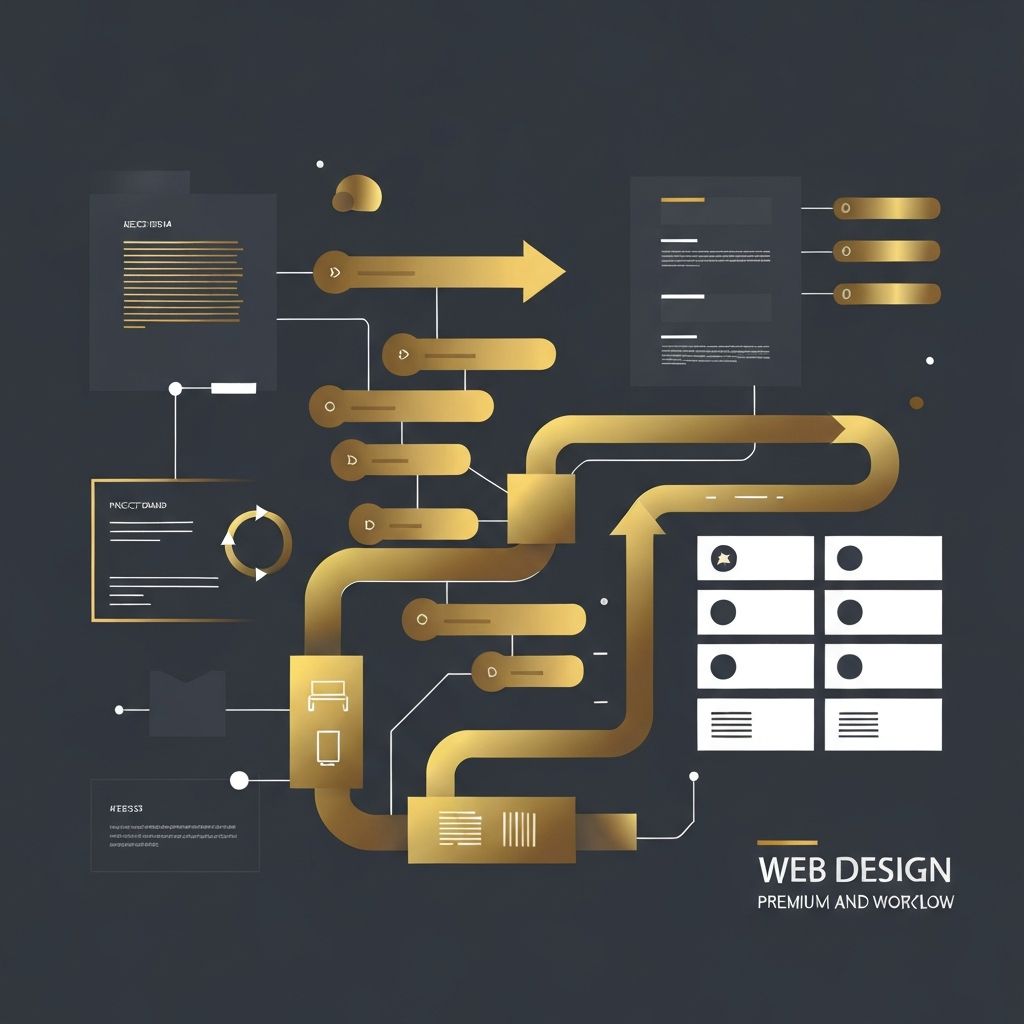
Introduction to the Web Design Workflow
A successful website is rarely the result of inspiration alone — it is the product of a well-defined workflow. The web design workflow is the structured process designers and agencies follow to take a project from initial idea to launched product. A clear workflow ensures alignment between stakeholders, reduces revisions, and delivers websites that meet business goals on time and on budget. Whether you are a freelancer or part of a team, understanding this workflow is essential for delivering professional results.
Hire AAMAX.CO for End-to-End Web Design Workflow
If you prefer to leave the entire workflow in expert hands, the team at AAMAX.CO offers a streamlined process from discovery to launch. They are a full-service digital marketing company providing website development, design, SEO, and digital marketing services worldwide. Their structured workflow ensures every project is delivered with strategic clarity, creative excellence, and technical precision.
Phase 1: Discovery and Research
Every great website begins with discovery. This phase involves understanding the client's business, goals, target audience, and competitors. Designers conduct stakeholder interviews, audit existing websites, and research industry trends. Deliverables often include a project brief, audience personas, and competitive analysis. The goal is to gather enough insight to make informed design decisions later.
Phase 2: Strategy and Information Architecture
Once research is complete, designers translate insights into strategy. This includes defining the site's goals, key messaging, and content priorities. Information architecture (IA) maps out how pages relate to each other, often through sitemaps and user flows. A strong IA ensures visitors can find what they need quickly, which directly impacts conversions and SEO performance.
Phase 3: Wireframing
Wireframes are low-fidelity blueprints that define layout and structure without visual details. They focus on placement of elements, hierarchy, and user flow. Wireframes allow stakeholders to focus on functionality before getting distracted by colors and typography. Tools like Figma, Balsamiq, and Sketch make wireframing fast and collaborative.
Phase 4: Visual Design and Mockups
With wireframes approved, designers move to high-fidelity mockups. This is where typography, color, imagery, and brand identity come to life. Designers create style guides or design systems to ensure consistency across pages. Mockups give clients a realistic preview of the final product and serve as the visual reference for developers.
Phase 5: Prototyping and User Testing
Interactive prototypes simulate the final website experience, allowing teams to test navigation, interactions, and flows before development. User testing at this stage uncovers usability issues early, when they are inexpensive to fix. Feedback from real users helps refine the design and validate assumptions made during the strategy phase.
Phase 6: Development and Implementation
Approved designs are handed to developers who turn them into functional websites. This phase involves front-end coding (HTML, CSS, JavaScript), back-end development, CMS integration, and third-party tool setup. Designers often collaborate with developers to ensure visual fidelity and address technical constraints.
Phase 7: Quality Assurance and Testing
Before launch, websites undergo rigorous testing. This includes cross-browser compatibility, mobile responsiveness, accessibility checks, performance audits, and SEO reviews. Bugs are documented and fixed, and the site is tested against the original project goals. A thorough QA phase prevents embarrassing launch-day issues.
Phase 8: Launch and Post-Launch Optimization
Launch is exciting, but the work doesn't stop there. After deployment, teams monitor analytics, gather user feedback, and identify opportunities for improvement. Post-launch optimization includes A/B testing, content updates, performance tuning, and SEO refinements. A website is a living product that evolves with the business it represents.
Conclusion
A well-defined web design workflow transforms chaotic projects into predictable, successful outcomes. By following structured phases — from discovery to post-launch optimization — designers can deliver websites that look beautiful, function flawlessly, and drive real business results. Whether you handle the workflow in-house or partner with an agency, investing in process is one of the smartest decisions you can make for your digital presence.
Want to publish a guest post on aamconsultants.org?
Place an order for a guest post or link insertion today.