
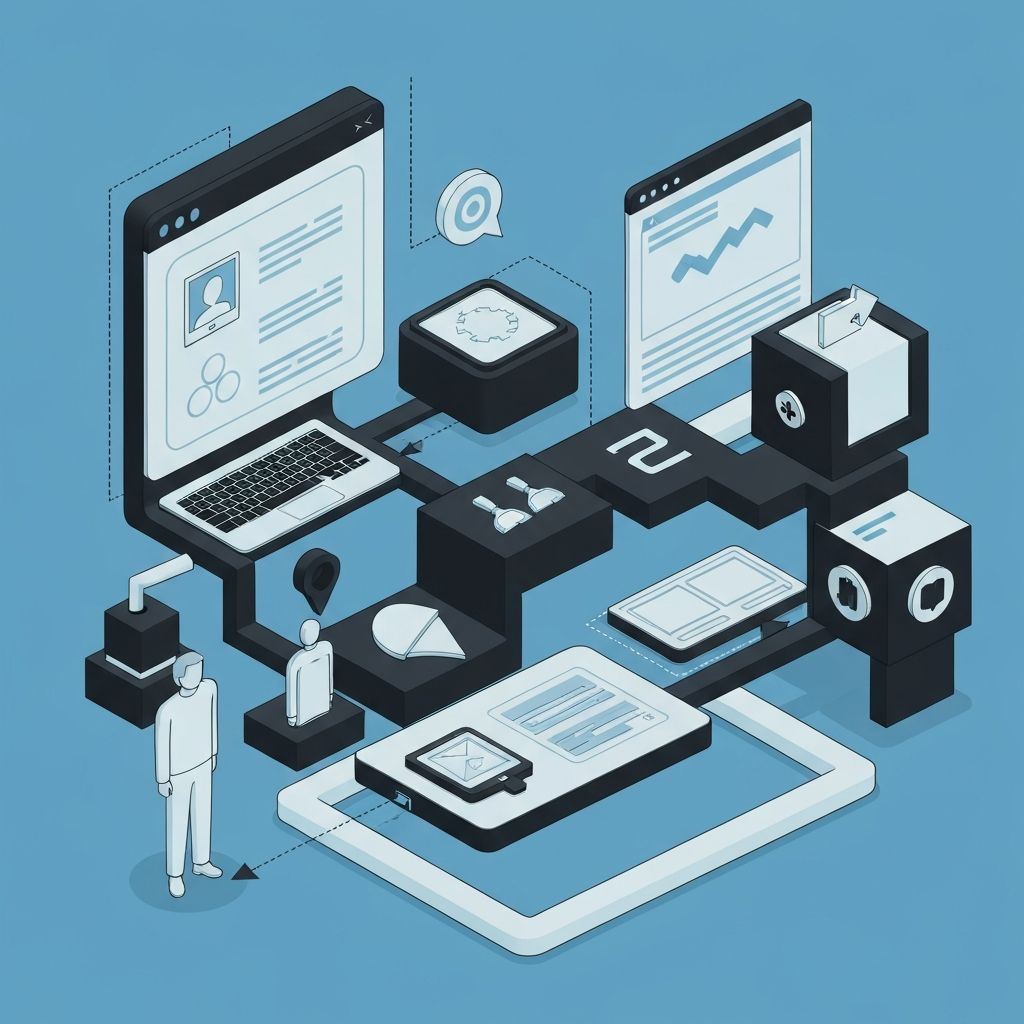
What Is the Web Designing Process?
The web designing process is a structured journey that transforms a business idea into a fully functional, visually engaging, and user-friendly website. While the specific steps may vary slightly between agencies, the underlying framework is consistent: discover, plan, design, develop, test, launch, and maintain. Following a clear process is what separates websites that simply exist from websites that actively grow a business. It ensures that every design choice supports a strategic goal and that nothing important is left to chance.
Hire AAMAX.CO to Streamline Your Web Design Project
Companies that want a smooth, predictable, and outcome-focused experience often hire AAMAX.CO for their web design and development services. They are a full-service digital marketing company offering web development, digital marketing, and SEO worldwide. Their team follows a refined web designing process that combines strategic discovery, modern UX practices, and clean development to deliver websites that not only look great but also rank well and convert. With their proven approach to website design, clients move through each stage with clarity and confidence.
Phase 1: Discovery and Research
Every successful website starts with deep understanding. The discovery phase focuses on learning about the business, its goals, target audience, competitors, and current pain points. Designers and strategists conduct stakeholder interviews, audit existing assets, and analyze competitor websites to identify opportunities. This phase often produces a creative brief, a list of must-have features, and an initial sitemap. Skipping or rushing discovery is one of the most common reasons web projects fail, because design decisions made without research are essentially guesses.
Phase 2: Planning and Strategy
Once research is complete, the team translates insights into a concrete plan. This includes defining the site architecture, mapping user journeys, choosing the right technology stack, and establishing key performance indicators. Content strategy is also developed during this phase, ensuring that every page has a clear purpose, target keyword, and call to action. Wireframes, which are low-fidelity blueprints of each page, are typically produced here. They allow stakeholders to focus on layout and content priorities before visual design begins.
Phase 3: Visual Design
This is the phase most people imagine when they think of web design. Designers craft mood boards, choose typography and color palettes, and create high-fidelity mockups that bring the brand to life on screen. The goal is not just aesthetics; it is to communicate values, build trust, and guide users toward action. Modern visual design also accounts for accessibility, ensuring sufficient contrast, readable fonts, and inclusive imagery so every visitor has a positive experience.
Phase 4: Development
With approved designs in hand, developers turn static mockups into responsive, interactive websites. Front-end developers focus on layout, animations, and cross-browser compatibility, while back-end developers handle databases, server logic, and integrations. Performance is a major focus during this phase, since even small delays in load time can hurt conversions and search rankings. For more complex projects, this stage may include custom web application development tailored to specific business workflows.
Phase 5: Testing and Quality Assurance
Before any website goes live, it must be rigorously tested. Quality assurance covers functional testing, responsive testing across devices, browser compatibility, accessibility, performance benchmarks, security checks, and SEO basics like metadata and structured data. Real users may also be invited to perform usability tests, revealing friction points that the internal team might have missed. Bugs are documented, prioritized, and fixed before approval to launch.
Phase 6: Launch
Launch day is exciting, but it is more than just flipping a switch. The team configures hosting, sets up SSL certificates, migrates content, redirects old URLs, submits sitemaps to search engines, and monitors analytics from minute one. A well-planned launch minimizes downtime and ensures that SEO equity from the previous site is preserved. Post-launch monitoring during the first few weeks helps catch any issues early.
Phase 7: Maintenance and Continuous Improvement
A website is never truly finished. Once it is live, the focus shifts to maintenance and growth. This includes security updates, plugin upgrades, content additions, performance tuning, and ongoing optimization based on analytics. Regular reviews help identify pages that underperform and opportunities to improve conversion rates. Treating your site as a living asset rather than a one-time project is the secret behind websites that keep delivering returns year after year.
Why a Defined Process Matters
Working without a defined process leads to scope creep, missed deadlines, and inconsistent results. A clear web designing process protects both the client and the agency, sets realistic expectations, and ensures that creative decisions are tied to measurable outcomes. Whether you handle the project internally or through a partner specializing in website development, insisting on a structured approach is one of the best investments you can make in your digital presence.
Want to publish a guest post on aamconsultants.org?
Place an order for a guest post or link insertion today.