
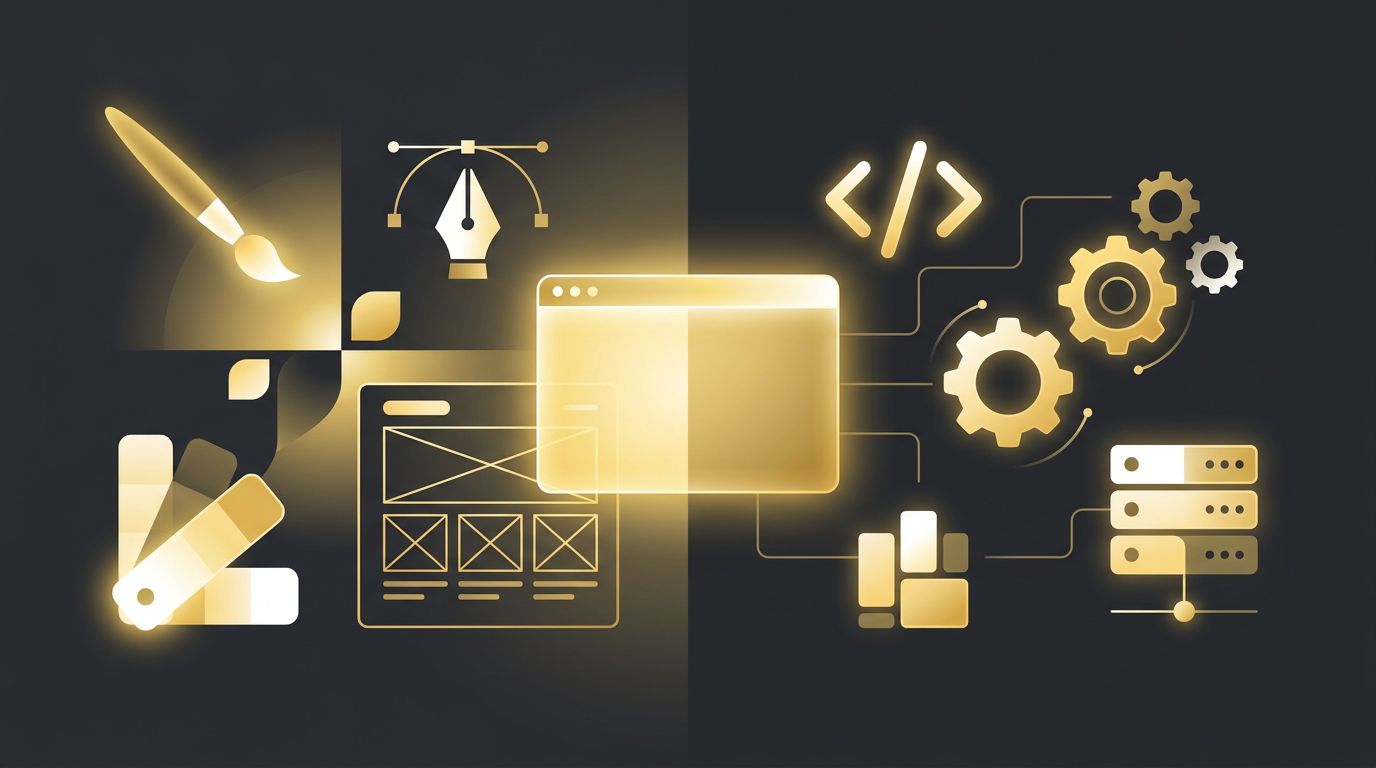
When businesses plan a new website, they often hear the terms web designing and web development used side by side. While both are essential to creating a successful website, they represent distinct disciplines with different goals, skills, and tools. Web design focuses on how a website looks and feels, while web development focuses on how it works. Understanding the difference helps businesses hire the right professionals, set realistic expectations, and ensure their websites are both beautiful and functional.
Get Both Design and Development from AAMAX.CO
Instead of coordinating separate designers and developers, many businesses choose a partner that offers both. AAMAX.CO is a full service digital marketing company offering web development, digital marketing, and SEO services worldwide. Their designers and developers collaborate closely from the start of each project, ensuring that creative concepts are technically feasible and that the final website delivers a seamless user experience. This integrated approach reduces miscommunication, shortens timelines, and results in websites that look great and perform reliably.
What Is Web Designing?
Web designing is the process of planning and creating the visual appearance and user experience of a website. Web designers determine the layout, color schemes, typography, imagery, and overall aesthetic. They also consider how users will navigate the site, where important information should appear, and how to guide visitors toward desired actions such as making a purchase or submitting a form.
Web design includes two closely related areas:
- User Interface (UI) design: The visual elements users interact with, including buttons, menus, forms, icons, and page layouts.
- User Experience (UX) design: The overall experience of using the site, including ease of navigation, information architecture, accessibility, and user satisfaction.
Key Skills and Tools for Web Designers
Web designers combine creativity with an understanding of human behavior. Important skills include visual design principles, color theory, typography, layout composition, branding, user research, wireframing, and prototyping. They also need a working knowledge of accessibility standards and responsive design.
Common tools include Figma, Adobe XD, Sketch, Adobe Photoshop, and Illustrator. Many designers also have basic knowledge of HTML and CSS, which helps them create designs that translate well into code. Professional website design blends these skills to create interfaces that reflect a brand and engage visitors.
What Is Web Development?
Web development is the process of building and maintaining the functional aspects of a website. Developers take the designer's mockups and turn them into working web pages using code. They also build the systems behind the scenes that store data, process forms, manage user accounts, and connect to other services.
Web development is typically divided into three areas:
- Front-end development: Building the parts of the website users see and interact with, using HTML, CSS, and JavaScript along with frameworks like React or Vue.
- Back-end development: Creating server-side logic, databases, and APIs using languages such as PHP, Python, Node.js, Ruby, or C#.
- Full-stack development: Working across both front-end and back-end layers.
Key Skills and Tools for Web Developers
Web developers need strong problem-solving skills, attention to detail, and proficiency in programming languages. They work with code editors like Visual Studio Code, version control systems like Git, frameworks, content management systems like WordPress, databases, and hosting platforms. They also handle performance optimization, security, testing, and technical SEO. Expert website development ensures a site is fast, secure, and reliable across browsers and devices.
Key Differences Between Web Designing and Web Development
Focus
Web design focuses on aesthetics, usability, and user experience. Web development focuses on functionality, performance, and technical implementation.
Skills
Designers rely on creativity, visual communication, and user research. Developers rely on programming, logic, and technical problem-solving.
Tools
Designers use visual design and prototyping tools, while developers use code editors, frameworks, databases, and deployment platforms.
Output
Designers produce wireframes, mockups, prototypes, and style guides. Developers produce working code, databases, and deployed websites or applications.
Stage in the Project
Design typically comes first, establishing the structure and appearance. Development follows, bringing the design to life. In practice, the two overlap and inform each other throughout the project.
How Designers and Developers Work Together
The best websites result from close collaboration between designers and developers. Designers benefit from understanding technical constraints, while developers benefit from understanding design intent. Shared design systems, consistent component libraries, and regular communication help ensure the final product matches the original vision. Tools like Figma's developer mode and design tokens make handoffs smoother and reduce inconsistencies.
Which One Does Your Project Need?
Most websites need both design and development. A brochure website may require more emphasis on design and branding, while a complex web application may require more development effort for features and integrations. If you already have a design and need it built, a developer is the priority. If you have a functioning site that looks outdated or performs poorly in conversions, a designer may be the key to improvement. For new projects, working with a team that offers both ensures a cohesive result.
Career Paths: Designer or Developer?
For those considering a career, web design suits people who enjoy visual creativity, psychology, and problem-solving through layout and interaction. Web development suits people who enjoy logic, coding, and building systems. Many professionals develop hybrid skills, such as UI developers or design engineers who bridge both worlds. Both careers offer strong demand and opportunities for growth.
Conclusion
Web designing and web development are two sides of the same coin. Design shapes how a website looks and feels, while development determines how it functions and performs. Both are essential for creating websites that attract visitors, deliver excellent experiences, and achieve business goals. By understanding their differences and how they complement each other, businesses can plan better projects and choose the right expertise for success.
Want to publish a guest post on aamconsultants.org?
Place an order for a guest post or link insertion today.