
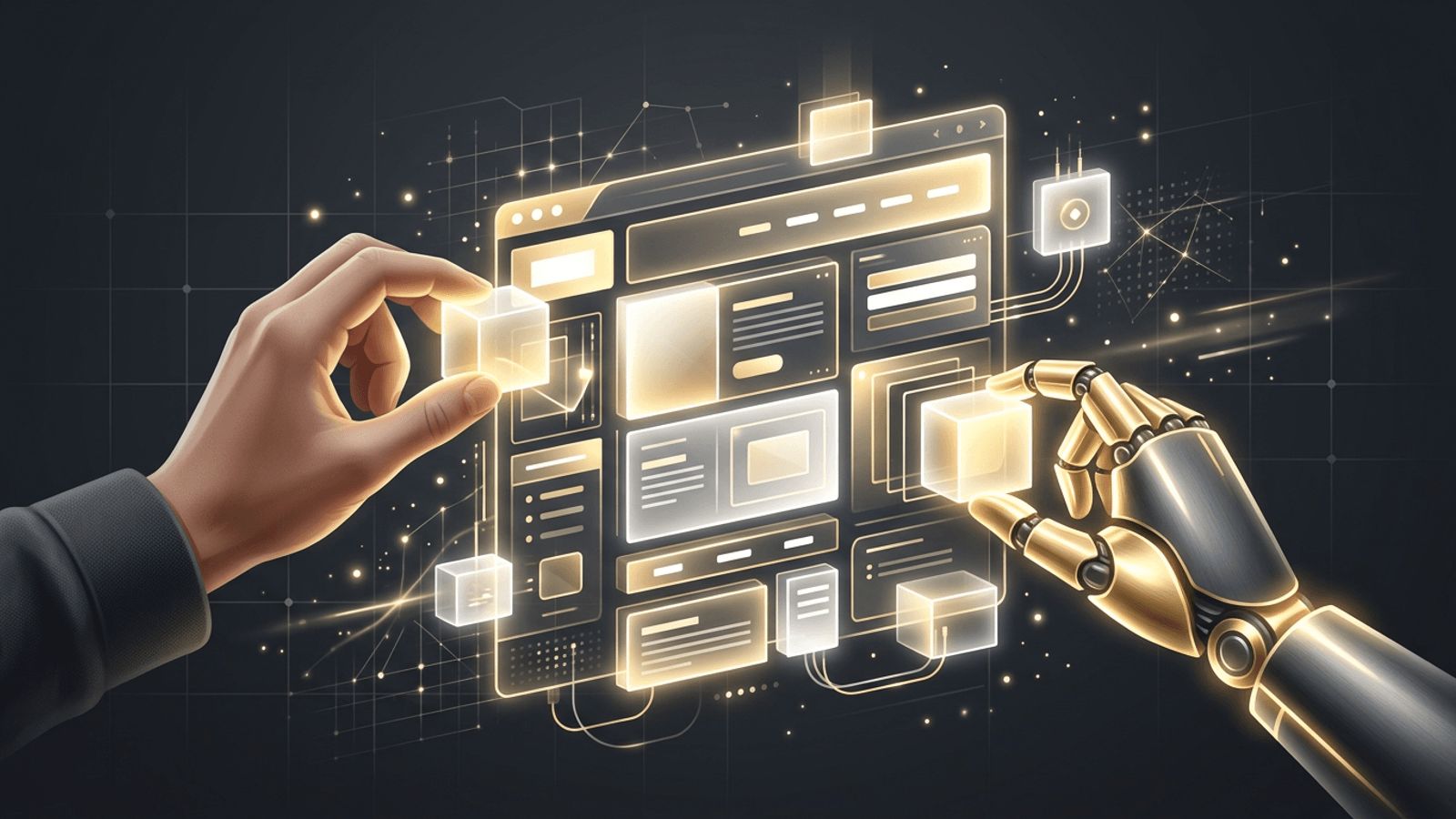
Artificial intelligence is reshaping nearly every industry, and web development is no exception. AI coding assistants can generate components, suggest fixes, write tests, and explain unfamiliar code. Design tools use AI to create layouts and images. Testing platforms use AI to detect bugs and accessibility issues. For web developers, AI is becoming a powerful collaborator that accelerates workflows and opens new possibilities. However, it also raises questions about quality, security, and the future of the profession. This article explores how web developers use AI, where it delivers the most value, and why human expertise remains critical.
How AAMAX.CO Uses AI to Deliver Better Websites
Businesses seeking a forward-thinking development partner can look to AAMAX.CO. They are a full service digital marketing company offering web development, digital marketing, and SEO services worldwide. Their developers use AI-assisted tools to speed up development, improve testing, and explore design ideas, while applying careful human review to ensure quality, security, and brand consistency. This balanced approach lets them deliver modern websites efficiently without compromising on craftsmanship for their clients.
How Web Developers Use AI Today
- Code generation. AI assistants generate boilerplate code, components, and functions from natural language prompts.
- Code completion. Intelligent autocomplete suggests entire lines or blocks of code as developers type.
- Debugging. AI helps identify errors, explain stack traces, and propose fixes.
- Refactoring. Developers use AI to modernize legacy code, improve readability, and apply consistent patterns.
- Testing. AI can generate unit tests, suggest edge cases, and help maintain test suites.
- Documentation. AI drafts comments, README files, and API documentation.
- Learning. Developers use AI to understand new frameworks, libraries, and concepts quickly.
AI in Web Design
AI tools can generate layout ideas, color palettes, typography pairings, and even full interface prototypes from text descriptions. Image generation helps create custom illustrations and visuals. These tools speed up exploration and help teams visualize concepts early. However, strong design still requires human judgment to ensure brand alignment, usability, and accessibility.
AI-Powered Website Features
Beyond helping developers work faster, AI enables new features inside websites. Chatbots answer customer questions, semantic search helps users find information, recommendation engines personalize content, and automated summaries make long content easier to digest. Building these features requires developers who understand both web technologies and AI integration. Such projects often fall under professional web application development, where AI capabilities are combined with authentication, databases, and business logic.
Benefits of AI for Web Developers
Increased productivity. AI handles repetitive tasks, allowing developers to focus on architecture, problem-solving, and user experience.
Faster prototyping. Ideas can be turned into working prototypes quickly, enabling faster feedback and iteration.
Improved learning. Developers can explore unfamiliar technologies with instant explanations and examples.
Better code quality. When used carefully, AI can suggest improvements, catch potential bugs, and promote consistent patterns.
Limitations and Risks
AI is powerful but not perfect. Generated code may contain bugs, security vulnerabilities, or outdated practices. AI tools can confidently produce incorrect answers, especially for newer libraries or edge cases. Over-reliance on AI may lead to code that developers do not fully understand, making maintenance difficult. There are also concerns about licensing, data privacy, and exposing sensitive code to external services.
Responsible developers review AI-generated code carefully, test thoroughly, and verify information against official documentation. They treat AI as an assistant rather than an authority.
Will AI Replace Web Developers?
AI is changing the nature of web development, but it is unlikely to replace skilled developers. Building great websites requires understanding business goals, user needs, design principles, security, performance, and long-term maintainability. These require human judgment, communication, and creativity. Instead of replacing developers, AI is shifting their focus toward higher-level tasks such as architecture, product thinking, and quality assurance. Developers who embrace AI tools while deepening their fundamentals will be in high demand.
Skills Developers Need in the AI Era
Developers should strengthen their core knowledge of HTML, CSS, JavaScript, and back-end systems so they can evaluate AI output critically. Learning how to write effective prompts, integrate AI APIs, and design AI-powered features adds valuable capabilities. Understanding security risks such as prompt injection and data leakage is increasingly important. Soft skills, including communication and collaboration, remain essential.
Best Practices for Using AI in Web Development
Use AI for drafts, ideas, and repetitive tasks, but always review and test the output. Keep sensitive data out of prompts unless tools are approved for that use. Verify suggestions against official documentation and current best practices. Maintain clear coding standards so AI-generated code fits the project's conventions. Track how AI tools affect productivity and quality to refine your workflow over time.
Conclusion
AI is becoming an indispensable tool for web developers, accelerating coding, testing, design exploration, and feature development. Yet the most successful projects still depend on experienced developers who apply judgment, creativity, and technical expertise. By combining AI's speed with human insight, web developers can build better websites faster and deliver more value to the businesses they serve.
Want to publish a guest post on aamconsultants.org?
Place an order for a guest post or link insertion today.