
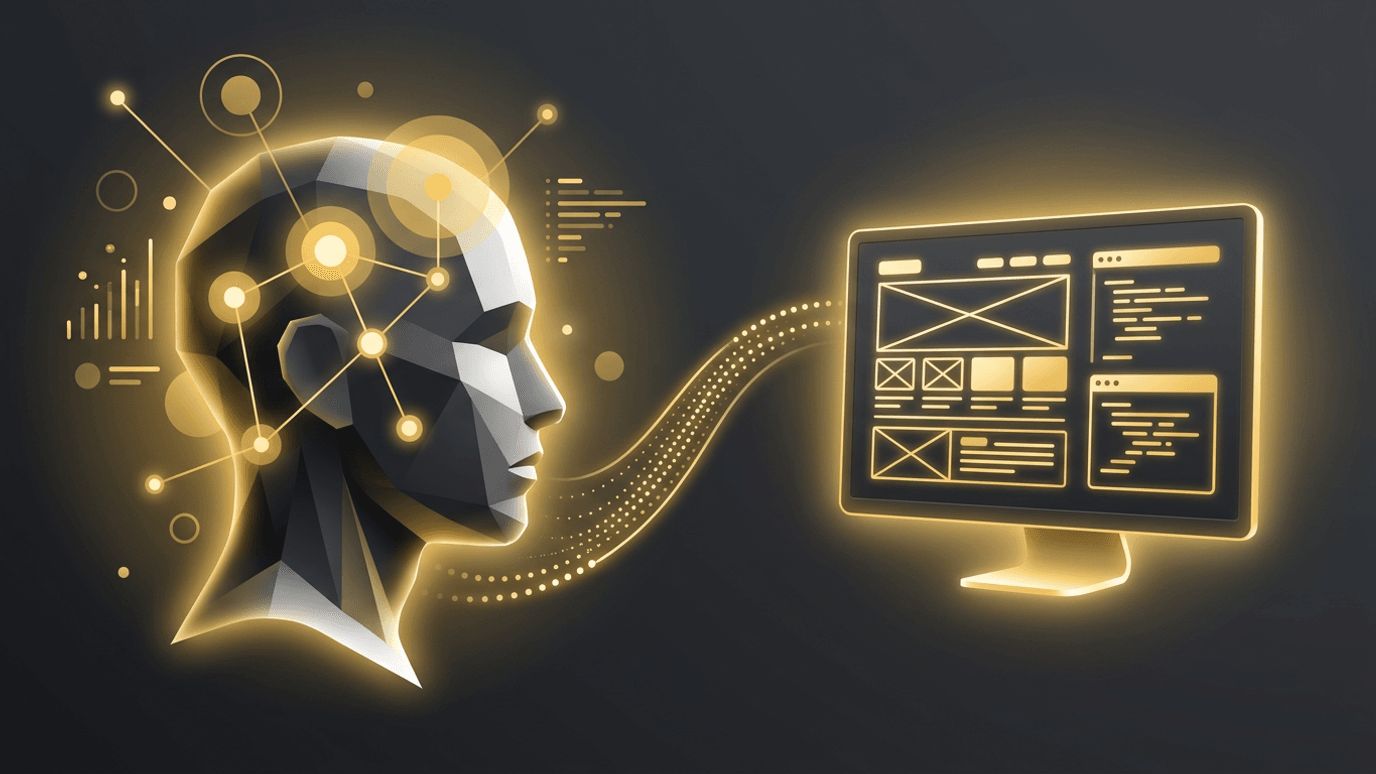
User experience design and web development are two essential ingredients in any successful digital product. UX design is concerned with how people feel and behave when they interact with a website, while web development is concerned with building the actual system that makes that interaction possible. Many people assume these roles overlap completely, but each brings a unique perspective and set of responsibilities. In this article, we explore web development vs UX design, how the two disciplines differ, how they depend on each other, and how to decide which one fits your career or business needs.
How AAMAX.CO Combines UX Thinking With Expert Development
Companies that want websites built around real user needs can turn to AAMAX.CO. They are a full service digital marketing company offering Web Development, Digital Marketing, and SEO Services worldwide. Their process begins with understanding the target audience and business objectives, then translating those insights into intuitive navigation, clear content structure, and conversion-focused layouts. Their website design services are rooted in UX principles, and their developers carry that thinking into the build, ensuring fast load times, accessibility, and seamless interactions. Hiring them gives businesses a website that not only looks professional but also guides visitors naturally toward action.
What Is UX Design?
UX design, short for user experience design, is the process of creating products that are useful, usable, and satisfying for their intended audience. UX designers start by researching who the users are, what problems they face, and what goals they want to achieve. They use methods such as interviews, surveys, analytics review, and competitive analysis to gather insights.
Based on research, UX designers define user personas, map customer journeys, organize information architecture, and create wireframes and interactive prototypes. They test these prototypes with real users, identify pain points, and iterate until the experience feels intuitive. UX design is less about visual decoration and more about structure, flow, and usability.
What Is Web Development?
Web development is the practice of building and maintaining websites and web applications using code. Front end developers create the interfaces users interact with, using HTML, CSS, and JavaScript along with frameworks like React or Vue. Back-end developers create the server-side logic, databases, and APIs that power functionality such as user accounts, search, and ecommerce transactions.
Developers are responsible for ensuring that a website works reliably across browsers and devices, loads quickly, remains secure, and scales as traffic grows.
Core Differences Between Web Development and UX Design
Primary question: UX design asks what users need and how they should experience a product. Web development asks how to build that experience technically.
Methods: UX designers rely on research, testing, and iterative prototyping. Developers rely on programming, debugging, testing, and deployment.
Tools: UX designers use tools like Figma, Miro, Maze, Hotjar, and usability testing platforms. Developers use code editors, Git, frameworks, package managers, and cloud services.
Outputs: UX design produces personas, journey maps, wireframes, prototypes, and usability reports. Web development produces functioning code and live digital products.
Why UX Design Matters to Developers
A developer who understands UX principles writes better code for users. Small implementation details, such as focus states for keyboard navigation, meaningful error messages in forms, loading indicators, and logical tab order, have a significant impact on user experience. Developers who appreciate UX are also better at identifying usability problems during implementation and suggesting improvements.
Performance is a key area where development directly affects UX. Slow load times, layout shifts, and unresponsive interactions frustrate users and increase bounce rates. Developers who prioritize performance optimization are essentially practicing UX through code.
Why Development Knowledge Matters to UX Designers
UX designers who understand development constraints create more realistic and efficient designs. Knowing how responsive layouts work, what is feasible within a project's budget, and how content management systems structure data allows designers to propose solutions that can be built without excessive rework. This understanding also improves communication, reducing misunderstandings between design and engineering teams.
Career Comparison
Both UX design and web development offer rewarding careers with strong demand. UX design suits individuals who are empathetic, curious about human behavior, and skilled at communication and problem framing. Web development suits individuals who enjoy logical thinking, building systems, and solving technical challenges.
Salaries for both roles are competitive and grow with experience. Senior UX designers may move into roles like UX lead, product designer, or design director. Senior developers may become technical leads, architects, or engineering managers. Hybrid professionals who blend UX expertise with development skills are particularly valuable in product-focused companies.
Which Does Your Business Need?
For businesses, the answer is almost always both. UX design ensures your website is aligned with customer needs and business goals, reducing friction and boosting conversions. Web development ensures that experience is delivered reliably, securely, and quickly. Investing in development without UX can lead to technically sound but confusing products. Investing in UX without strong development can result in designs that never reach their potential.
When planning a website or application, involve UX research early to define requirements, then bring developers in during the design phase to validate feasibility. This collaborative approach saves time and money and produces significantly better outcomes.
Conclusion
Web development and UX design are complementary disciplines with distinct goals. UX design focuses on understanding users and shaping meaningful experiences, while web development focuses on building those experiences with code. Each discipline strengthens the other, and the most successful digital products come from teams that respect and integrate both perspectives. Whether you are choosing a career or a development partner, recognizing the value of UX and development working together is the first step toward creating websites that people genuinely enjoy using.
Want to publish a guest post on aamconsultants.org?
Place an order for a guest post or link insertion today.