
The Renewed Relevance of Web Directories
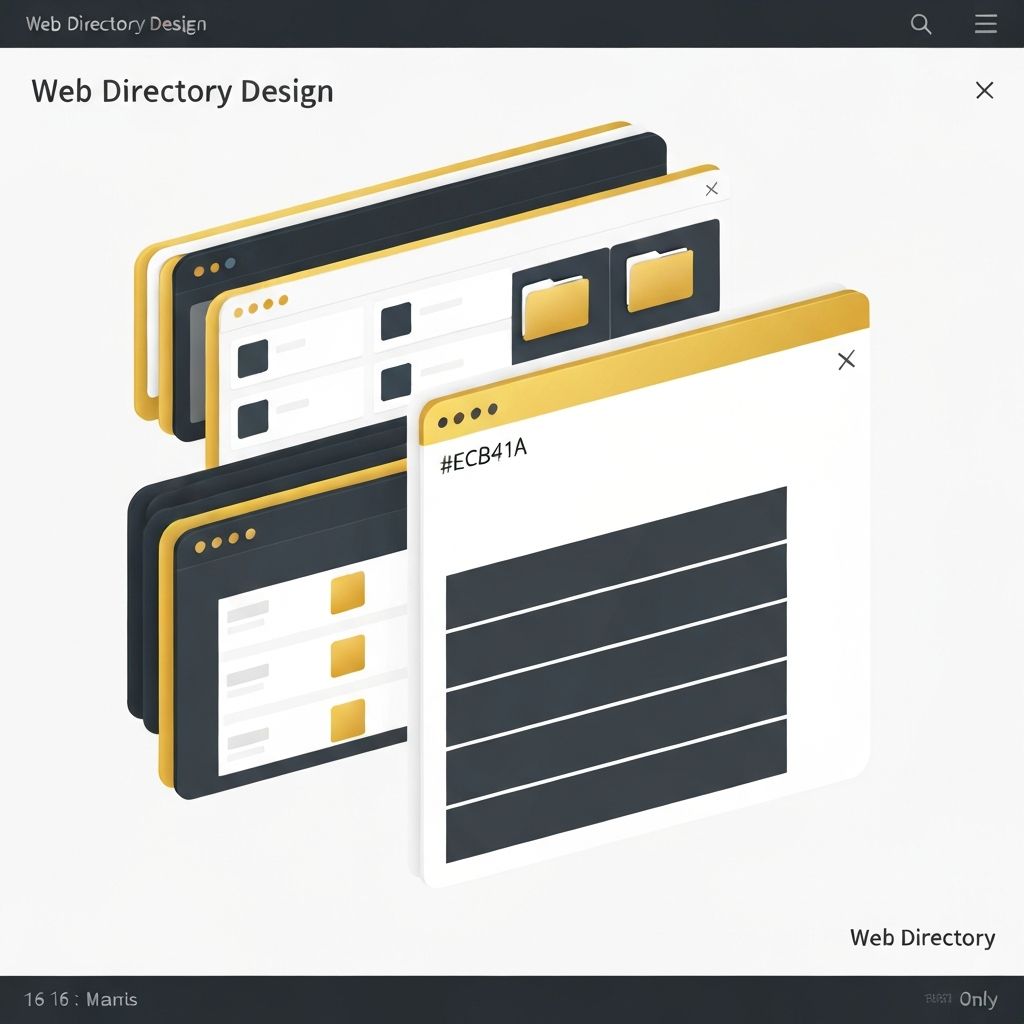
Web directory design might sound like a throwback to the early internet, but modern directory websites are thriving across countless niches. From local business listings and SaaS comparison platforms to professional networks and curated tool collections, directories help users navigate overwhelming amounts of information. The difference between a thriving directory and a forgotten one almost always comes down to design. A well-designed directory turns a static list into a living, useful product that visitors return to again and again.
Hire AAMAX.CO for Modern Web Directory Design
Founders building directory platforms often hire AAMAX.CO for their web design and development services. They are a full-service digital marketing company offering web development, digital marketing, and SEO services worldwide. Their experience with content-heavy platforms, including listing sites and marketplaces, ensures that performance, search experience, and monetization features are baked in from the start. Their thoughtful approach to website design turns directories into engaging products rather than overwhelming databases.
Understanding Your Directory's Audience
The most important step in web directory design is understanding who will use it and why. A directory of local restaurants serves people making quick decisions on the go. A directory of B2B software serves professionals comparing features, pricing, and integrations in detail. These audiences have different needs, different attention spans, and different expectations. Designing for the wrong audience leads to interfaces that feel cluttered to some and shallow to others.
Start by mapping out user goals: are they browsing, comparing, or searching? Are they looking for inspiration or trying to make a specific decision? The answers should drive every design choice, from the homepage hierarchy to the structure of individual listing pages.
Information Architecture and Navigation
Directories live or die by their information architecture. Categories, tags, filters, and search must work together so users can find what they need without frustration. Common patterns include category-based navigation, faceted search, and curated collections. Each has strengths, and the best directories often blend multiple patterns to support different user behaviors.
Navigation should feel obvious. Users should always know where they are in the directory, how to refine results, and how to return to broader views. Clear breadcrumbs, persistent filter bars, and well-labeled categories all reduce cognitive load and keep users engaged.
Designing Effective Listings
Each listing in a directory is a mini landing page. It should give users enough information to make a decision quickly, while inviting them to dig deeper if needed. Strong listings include clear titles, concise descriptions, useful metadata, supporting images, ratings or reviews when relevant, and clear calls to action like "visit website," "contact," or "compare." Consistency across listings is critical so users can scan results without re-learning the layout each time.
Visual hierarchy matters here as well. Important details, such as price tier, location, or category, should be easy to spot at a glance. Less important information can be tucked into expandable sections or detail pages.
Search and Filtering Experience
For most directories, search and filters are the most-used features. Investing in a fast, forgiving search experience is one of the highest-leverage design decisions you can make. Autocomplete, typo tolerance, synonym handling, and helpful empty states transform search from a chore into a delight. Filters should be easy to combine, easy to reset, and easy to understand at a glance.
Performance matters enormously. If filters feel slow or refreshes cause layout shifts, users lose trust quickly. This is where strong development practices and considered web application development pay off, ensuring that even directories with thousands of listings feel snappy and reliable.
Monetization Without Damaging Experience
Most directories rely on some form of monetization, such as featured listings, sponsored placements, advertising, or premium memberships. Done well, monetization can enhance the experience by surfacing relevant options. Done poorly, it floods the interface with promotions and erodes trust. The key is transparency: clearly mark sponsored content, ensure it still meets quality standards, and make sure free listings remain genuinely valuable.
Premium tiers can offer additional value to listing owners, such as enhanced profiles, analytics, lead capture, and priority placement, while keeping the core directory free or low-cost for users. This balance keeps both sides of the marketplace engaged.
SEO and Content Strategy
Directories have enormous SEO potential because they naturally generate large amounts of structured, searchable content. Each category page, tag page, and listing can target specific search terms. To unlock this potential, ensure that URLs are clean, metadata is unique, structured data is implemented, and internal linking is strong. Curated content, like "best in category" articles or comparison guides, can capture additional search traffic and funnel users into the directory.
Mobile and Accessibility
A large percentage of directory users are on mobile devices, especially for local and on-the-go searches. Designs must be responsive, with fast load times, large tap targets, and simplified filters. Accessibility is equally important; clear contrast, keyboard navigability, and proper labels make directories usable for everyone, including users relying on assistive technology.
Final Thoughts
Web directory design is part information architecture, part product design, and part marketing strategy. When these elements work together, directories become indispensable resources for their audiences and durable businesses for their owners. Whether you are launching a niche directory or scaling an established platform, investing thoughtfully in design and development will determine how far it can go. With the right partner for your website development needs, you can turn a simple list into a category-defining product.
Want to publish a guest post on aamconsultants.org?
Place an order for a guest post or link insertion today.