
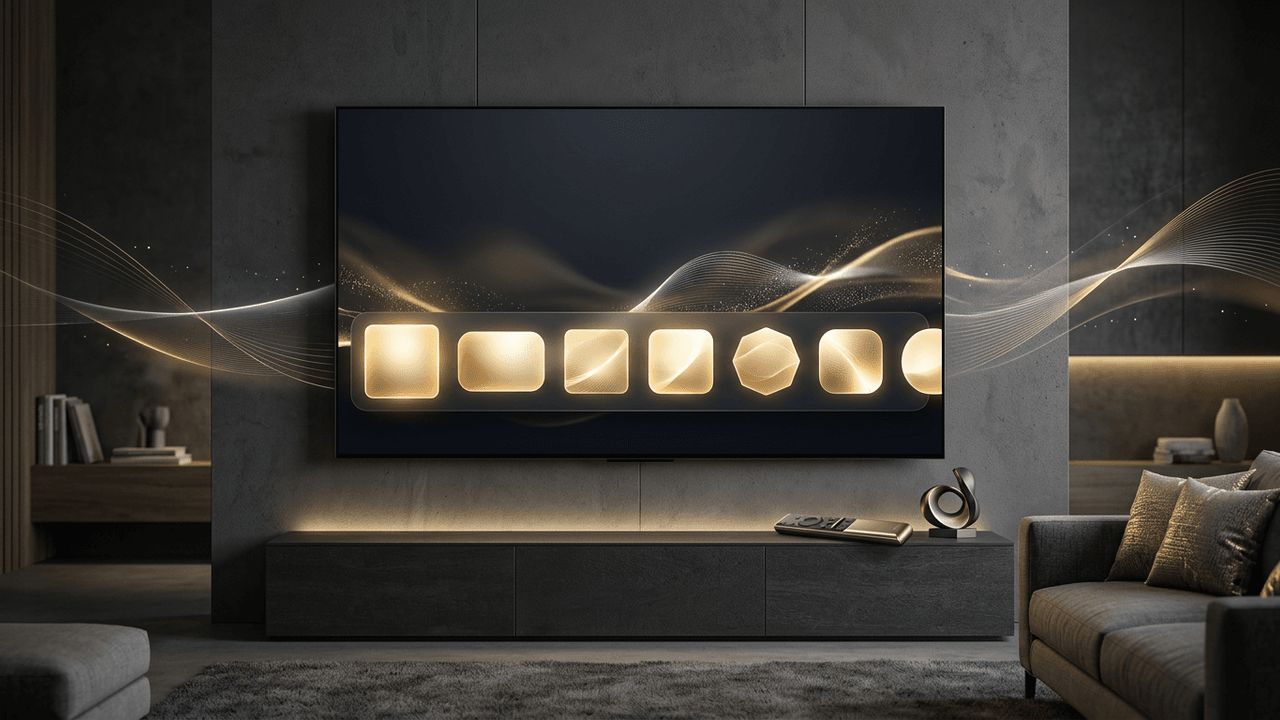
Smart TVs have become the centerpiece of modern living rooms, and LG's webOS platform powers a large share of them. For streaming services, media companies, fitness brands, retailers, and educators, a dedicated smart TV app offers a powerful way to reach audiences on the biggest screen in the home. Webos app development services help businesses design, build, test, and publish applications that feel natural on television and deliver smooth, engaging experiences. This guide explains what webOS is, why it matters, and how to approach webOS app development successfully.
How AAMAX.CO Supports Web-Based App Development
Because webOS apps are built with web technologies, businesses exploring the platform benefit from partners with deep web expertise, such as AAMAX.CO. They are a full-service digital marketing company offering web development, digital marketing, and SEO services worldwide. Their experience building fast, responsive, and user-friendly web applications translates well to projects that rely on HTML, CSS, and JavaScript. They can also help create the companion websites, landing pages, and marketing campaigns that drive downloads and engagement, giving businesses a complete strategy around their smart TV presence.
What Is webOS?
webOS is an operating system originally developed for mobile devices and later adopted by LG for its smart TVs and other connected devices. It is known for its intuitive launcher bar, fast app switching, and support for web technologies. Developers can create webOS TV apps using standard web languages, frameworks such as Enact, which is built on React, and LG's official software development kit. This makes webOS app development accessible to teams with strong web development backgrounds.
Why Businesses Invest in webOS Apps
- Large audience: LG smart TVs are sold in many countries, giving apps access to millions of households.
- Engaging format: The big screen is ideal for video, fitness, education, gaming, and immersive brand experiences.
- Web-based technology: Teams can leverage existing web skills, code, and design systems.
- Brand presence: A TV app keeps your brand visible in the living room, strengthening loyalty.
- New revenue streams: Subscriptions, advertising, and in-app purchases can generate additional income.
Key Components of webOS App Development Services
Strategy and Planning
Successful projects begin with understanding your audience, content, and business goals. Developers help define features, monetization models, and technical requirements, while considering how users will navigate with a remote control rather than a mouse or touchscreen.
TV-Focused UI and UX Design
Designing for television is different from designing for phones or desktops. Interfaces must be readable from a distance, navigable with directional controls, and visually clear on large screens. Focus states, spacing, and consistent navigation patterns are critical. Principles from professional website design, such as visual hierarchy and brand consistency, still apply but must be adapted for the ten-foot experience.
Development and Integration
Developers build the app using HTML5, CSS, JavaScript, and frameworks like Enact. They integrate video players, content APIs, user authentication, analytics, and payment systems. Teams with strong web application development experience are well-suited to build robust, scalable backends that deliver content efficiently to TV apps.
Testing and Optimization
Smart TVs have different hardware capabilities than computers, so performance optimization is essential. Testing covers navigation, video playback, memory usage, load times, and compatibility across multiple webOS versions and TV models. Emulators help during development, but testing on real devices is crucial before launch.
Submission and Publishing
Apps must meet LG's guidelines and pass review before appearing in the LG Content Store. Development services typically include preparing assets, documentation, and compliance checks to ensure a smooth approval process.
Common Use Cases for webOS Apps
Streaming platforms offer movies, series, and live channels. Fitness companies deliver guided workouts in the living room. Educational providers create learning experiences for children and adults. Retailers showcase products through interactive catalogs. Hospitality businesses use TV apps to provide guest services in hotel rooms. Each use case requires thoughtful design and reliable technology to keep users engaged.
Choosing a webOS App Development Partner
Look for a team with experience in web technologies, video streaming, and TV interface design. Ask about their testing process, knowledge of LG's submission requirements, and ability to support multiple platforms if you also plan apps for other smart TV systems. Clear communication, transparent pricing, and post-launch support are equally important. A partner who understands both development and marketing can help ensure your app attracts and retains users.
Marketing Your webOS App
Launching your app is only the first step. Promote it through your website, email lists, social media, and partnerships. Optimize your store listing with compelling visuals and descriptions. Track analytics to understand user behavior and improve the experience over time. Regular updates with fresh content and new features keep users coming back.
Conclusion
Webos app development services open the door to one of the most engaging screens in the home. By combining web technologies with TV-focused design, rigorous testing, and smart marketing, businesses can create apps that delight viewers and strengthen brand loyalty. With the right development partner, your webOS app can become a valuable channel for growth and engagement.
Want to publish a guest post on aamconsultants.org?
Place an order for a guest post or link insertion today.