
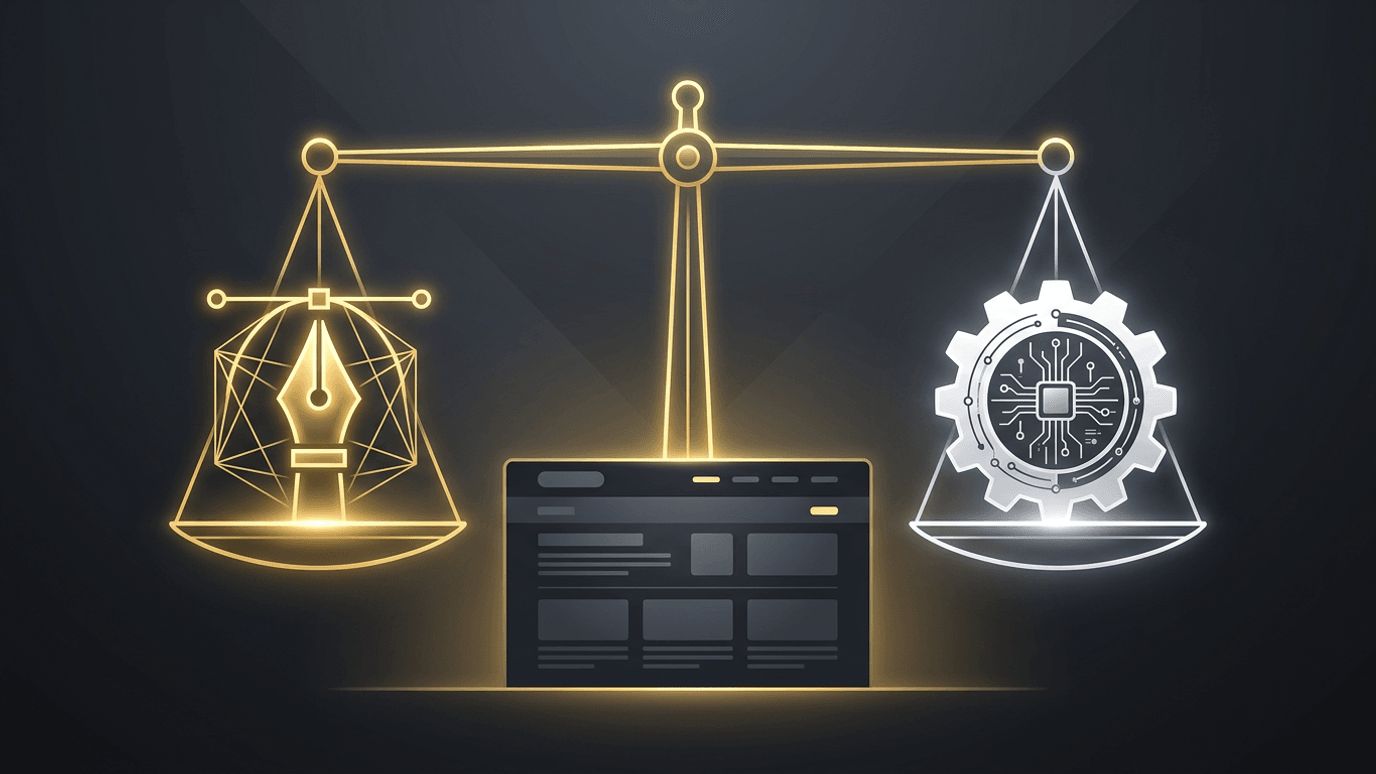
When planning a new website or redesign, business owners often wonder where to focus their budget and attention: website design or website development. Both are necessary, but they influence results in different ways. Design shapes first impressions, trust, and usability, while development determines speed, functionality, security, and scalability. Rather than viewing them as competing priorities, it helps to understand how each contributes to business goals and how they work together throughout a project. This guide looks at website design vs development from a practical, business-focused perspective.
How AAMAX.CO Balances Design and Development for Better Results
Finding the right balance between design and development is easier with a partner who excels at both. AAMAX.CO is a full service digital marketing company offering web development, digital marketing, and SEO services worldwide. They help businesses plan website projects that allocate resources wisely, ensuring the final site is visually compelling, technically robust, and optimized for search and conversion. Their integrated team keeps strategy, design, development, and marketing aligned so every investment supports measurable growth.
How Website Design Impacts Your Business
Visitors form opinions about a website within seconds. A professional, modern design builds credibility, while an outdated or cluttered design can drive visitors away before they read a single word. Design also affects usability: clear navigation, readable typography, and intuitive layouts help visitors find information and take action. Effective website design directly influences engagement, time on site, and conversion rates.
How Website Development Impacts Your Business
Development determines whether the website actually works well. Fast load times keep visitors engaged and improve search rankings. Reliable functionality ensures forms submit, payments process, and integrations sync correctly. Secure code protects customer data and your reputation. Scalable architecture allows the site to grow with your business. Quality website development turns a beautiful design into a dependable business tool.
Key Differences at a Glance
- Focus: Design focuses on appearance and user experience; development focuses on functionality and performance.
- Deliverables: Design produces wireframes, mockups, and style guides; development produces working code, databases, and integrations.
- Skills: Design requires creativity and user empathy; development requires programming and problem-solving.
- Success metrics: Design is measured by engagement and usability; development is measured by speed, uptime, and reliability.
The Project Lifecycle: Where Each Fits
A typical website project begins with discovery and strategy, where goals, audiences, and requirements are defined. Design follows with sitemaps, wireframes, and visual mockups. Development then builds the site, implements features, and integrates content management systems and third-party tools. Testing, launch, and ongoing optimization involve both disciplines. Overlap is healthy: developers should review designs early for feasibility, and designers should review builds to ensure fidelity.
How to Split Your Budget
There is no universal formula, but the right split depends on project complexity. A marketing website with standard features may lean more heavily on design and content, since functionality is relatively simple. An ecommerce store, membership platform, or custom web application usually requires more development investment due to complex features, integrations, and security requirements. Always reserve budget for testing, SEO setup, and post-launch maintenance.
Signs You Need More Design Investment
If visitors leave quickly, struggle to find information, or describe your website as outdated, design improvements may deliver the biggest return. Inconsistent branding, poor mobile layouts, and weak calls to action are also design issues. A refreshed visual identity and improved user experience can significantly increase conversions without major technical changes.
Signs You Need More Development Investment
If your website loads slowly, breaks frequently, is difficult to update, or cannot support features your business needs, development is the priority. Security warnings, outdated plugins, and poor search performance caused by technical issues also signal a need for development work. Sometimes rebuilding on a modern platform is more cost-effective than patching an aging system.
Why the Best Websites Excel at Both
The most successful websites do not treat design and development as separate projects. They are planned together, with shared goals and continuous collaboration. A visually stunning website that loads slowly loses customers, and a technically perfect website with confusing design fails to convert. Balance is what drives results.
Tips for a Successful Website Project
Define clear business goals and success metrics before starting. Choose a team that offers both design and development to avoid handoff problems. Prioritize mobile experience, accessibility, and performance from the beginning. Plan for SEO during design and development rather than after launch. Finally, treat your website as a living asset that requires regular updates and improvements.
Measuring the Return on Design and Development
To understand whether your investments are paying off, track metrics tied to each discipline. Design improvements often show up in bounce rate, time on page, scroll depth, form completion, and conversion rate. Development improvements typically appear in page speed scores, Core Web Vitals, uptime, error rates, and organic search rankings. Reviewing these numbers before and after changes reveals which areas deliver the greatest return and where future budget should go. Over time, this data-driven approach replaces guesswork with clear evidence about how design and development each contribute to growth.
Conclusion
Website design vs development is not a question of which matters more, but of how each contributes to your goals. Design builds trust and guides users, while development ensures speed, functionality, and security. By understanding their roles, allocating budget wisely, and working with a team that excels at both, businesses can create websites that look exceptional and perform reliably.
Want to publish a guest post on aamconsultants.org?
Place an order for a guest post or link insertion today.