
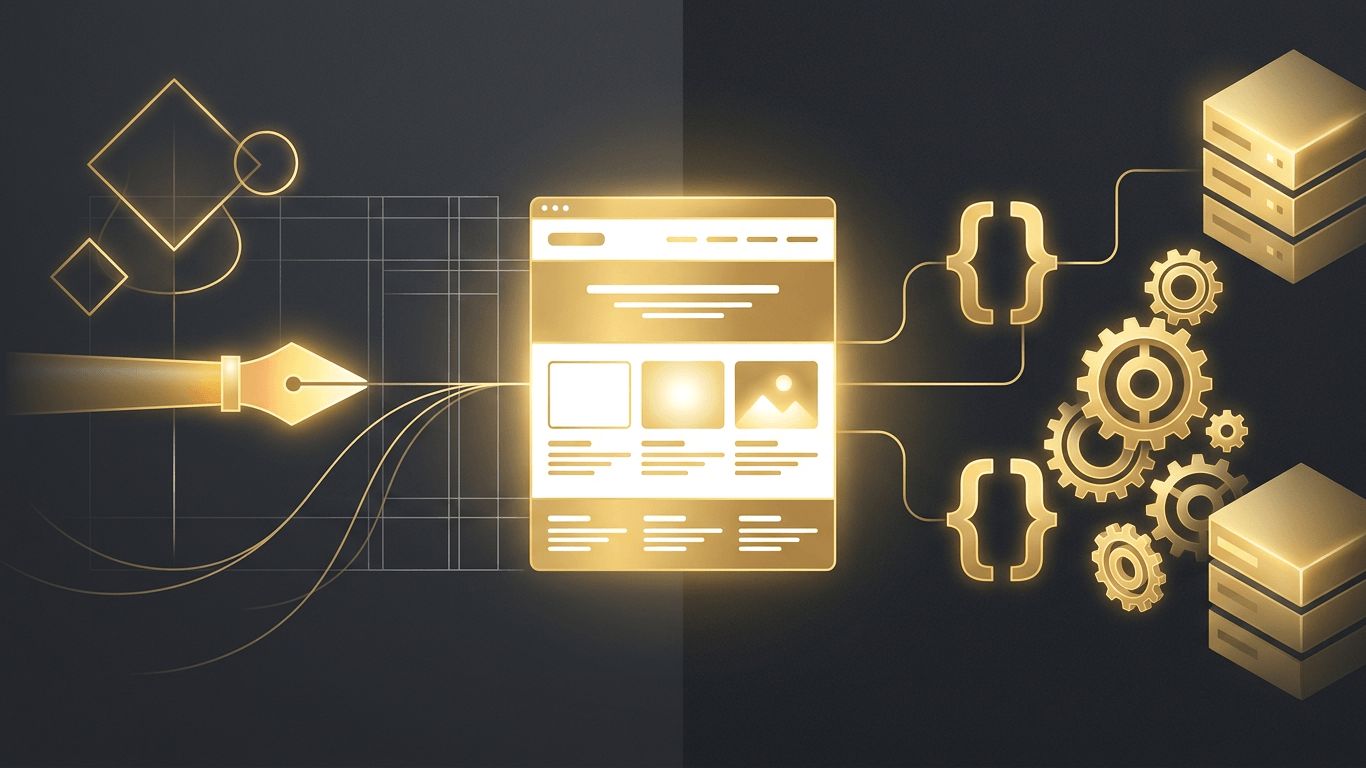
When businesses decide to build or redesign a website, one of the first questions they face is whom to hire. Do you need a website designer, a web developer, or both? The terms are often used interchangeably, but they describe distinct roles with different skills, tools, and responsibilities. Understanding the difference helps you hire the right talent, set realistic expectations, and avoid costly misunderstandings. In this article, we'll break down what website designers and web developers do, how their roles overlap, and how to decide which one your project requires.
AAMAX.CO: Design and Development Under One Roof
Businesses that want both exceptional design and solid engineering can work with AAMAX.CO. They are a full service digital marketing company offering web development, digital marketing, and SEO services worldwide. Their designers and developers collaborate closely on every project, so visual concepts translate seamlessly into fast, functional websites. Because they also offer SEO and marketing, they make sure the final product not only looks impressive and works flawlessly but also attracts and converts visitors.
What Does a Website Designer Do?
A website designer focuses on how a website looks and feels. Their work centers on visual design, user experience, and brand expression. Designers research target audiences, create wireframes that map page structures, and produce high-fidelity mockups showing colors, typography, imagery, and layouts. They also design user flows, interactive prototypes, and style guides. Common tools include Figma, Adobe XD, Sketch, Photoshop, and Illustrator. The goal of a designer is to create an experience that is attractive, intuitive, and aligned with business goals.
What Does a Web Developer Do?
A web developer turns designs into functioning websites. Front end developers write HTML, CSS, and JavaScript to build interactive interfaces that work across browsers and devices. Back end developers build servers, databases, and APIs that power functionality such as user accounts, ecommerce, and content management. Full stack developers handle both. Developers use code editors, version control systems like Git, frameworks such as React or Laravel, and deployment platforms. Their goal is to create a site that is fast, secure, reliable, and maintainable.
Key Differences at a Glance
- Focus: Designers focus on aesthetics and user experience; developers focus on functionality and performance.
- Skills: Designers excel in visual communication, layout, and UX research; developers excel in programming, problem-solving, and system architecture.
- Tools: Designers use Figma and Adobe tools; developers use code editors, frameworks, and servers.
- Deliverables: Designers produce wireframes, mockups, and prototypes; developers produce working code and live websites.
- Mindset: Designers think in terms of emotion, clarity, and brand; developers think in terms of logic, efficiency, and scalability.
Where the Roles Overlap
Although designers and developers have distinct roles, there's significant overlap. Many designers understand basic HTML and CSS, which helps them create feasible designs. Many front end developers have strong design sensibilities and can refine layouts and interactions. UX and UI design often blend into front end development, especially with design systems and component libraries. Some professionals, often called UX engineers or design technologists, bridge both worlds. This overlap is valuable because it improves communication and leads to better outcomes.
When You Need a Website Designer
You need a designer when your priority is establishing or refreshing your brand's visual identity, improving user experience, or creating a site that stands out from competitors. If your current site works technically but looks outdated or confuses visitors, professional website design can transform how customers perceive your business. Designers are also essential when launching new products, entering new markets, or rebranding.
When You Need a Web Developer
You need a developer when your project requires custom functionality, integrations, performance improvements, or technical fixes. If your site is slow, insecure, difficult to update, or lacks features like ecommerce, booking, or user accounts, professional website development is the solution. Developers are also essential for migrations, platform upgrades, and ongoing maintenance.
Why Most Projects Need Both
For most businesses, the best results come from designers and developers working together. A beautiful design that is poorly coded will load slowly and break on certain devices. A technically excellent site with weak design will fail to engage visitors. When designers and developers collaborate from the start, they balance creativity with feasibility, creating websites that are both attractive and functional. Developers can flag technical constraints early, while designers ensure usability remains central.
Cost Considerations
Design and development costs vary based on project complexity. Design costs depend on the number of pages, custom illustrations, branding work, and UX research. Development costs depend on functionality, integrations, and platform choice. Hiring separate freelancers may seem cheaper, but coordination challenges can lead to delays and inconsistencies. Agencies that provide both services often deliver better value through streamlined collaboration and unified accountability.
How to Choose the Right Partner
Start by clarifying your goals. Are you primarily seeking a visual refresh, new functionality, or both? Review portfolios to assess design quality and technical capability. Ask how designers and developers collaborate, how feedback is handled, and how projects are managed. Choose a partner who communicates clearly and understands your business objectives.
Conclusion
Website designers and web developers play different but complementary roles. Designers shape how a website looks and feels, while developers make it work. Understanding these differences helps you hire wisely and set clear expectations. For most businesses, the best approach is a coordinated team that combines creative design with technical excellence, resulting in a website that delights users and drives business growth.
Want to publish a guest post on aamconsultants.org?
Place an order for a guest post or link insertion today.