
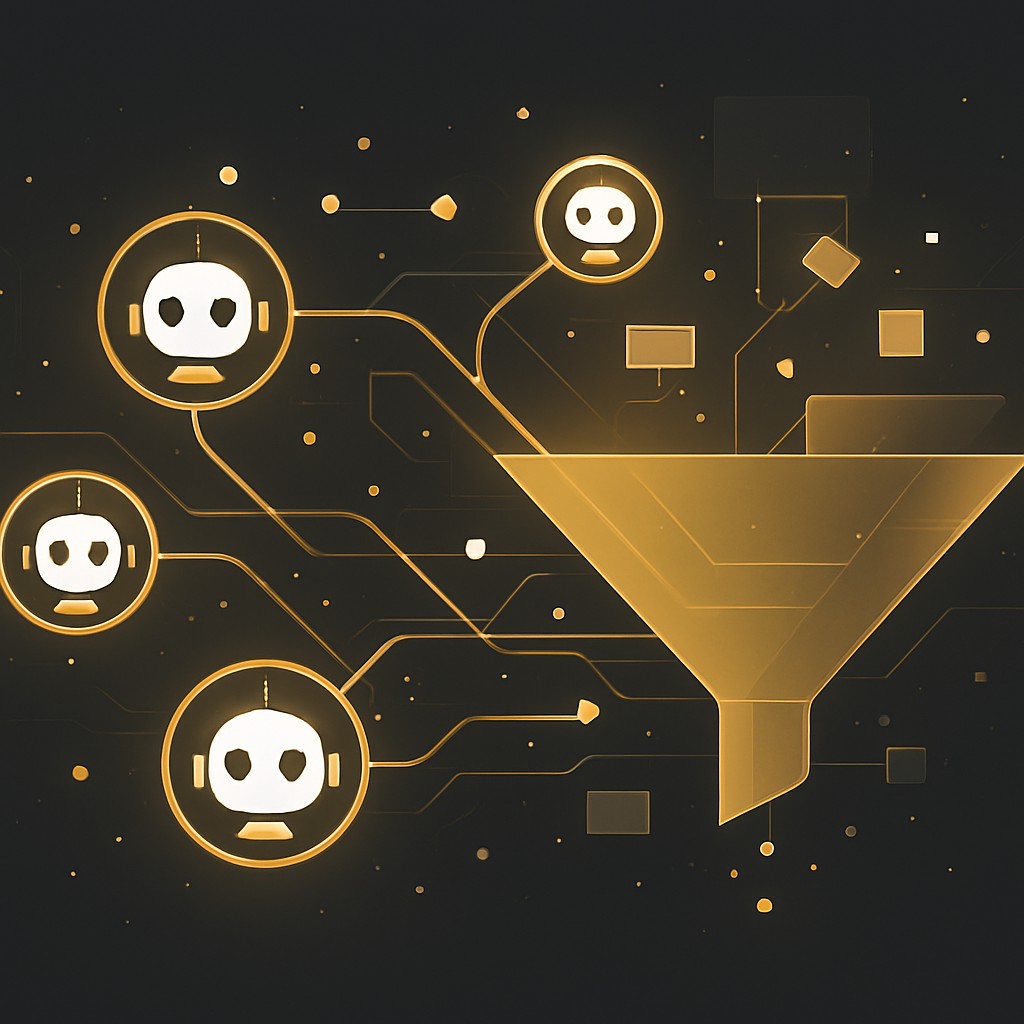
AI agents are quickly becoming one of the most transformative tools in modern marketing. Unlike traditional automation that follows rigid, pre-set rules, an AI agent can perceive its environment, reason about goals, make decisions, and take action with limited human supervision. In a marketing context, this means software that can research audiences, draft campaigns, optimize ad spend, personalize messaging, and continuously learn from performance data. As brands compete for attention across an expanding number of channels, AI agents offer a way to scale intelligent decision-making without proportionally scaling headcount.
Partner With AAMAX.CO for AI-Driven Marketing
Adopting AI agents is far easier with an experienced partner, and AAMAX.CO helps brands do exactly that. As a full-service digital marketing company serving clients worldwide, they design and implement AI-powered workflows that connect content, search, and advertising into a single intelligent system. Their team can map your customer journey, integrate the right tooling, and build agent-driven campaigns that align with your business goals. Whether you are exploring digital marketing automation or a more advanced AI strategy, they provide the technical and strategic support to make it work.
How AI Agents Work
At their core, AI agents combine large language models, data connectors, and decision-making logic. They typically operate in a loop: they observe the current state of a campaign or channel, reason about what action best advances a defined objective, execute that action, and then evaluate the result. This perception-reasoning-action cycle allows agents to handle dynamic environments where conditions change hour by hour. An agent managing paid search, for example, might detect a drop in conversion rate, hypothesize a cause, adjust bids or pause underperforming keywords, and measure the impact, all autonomously.
Key Use Cases in Marketing
AI agents are versatile, and their applications span the entire marketing funnel. Common use cases include:
- Audience research: Agents analyze customer data, social signals, and market trends to identify high-value segments and emerging opportunities.
- Content creation: They draft blog posts, ad copy, email sequences, and social captions tailored to specific personas and stages of the buyer journey.
- Campaign optimization: Agents continuously test creatives, adjust budgets, and reallocate spend toward the best-performing channels.
- Personalization: They deliver individualized recommendations and messaging at scale, increasing relevance and engagement.
- Customer support: Conversational agents answer questions, qualify leads, and route complex issues to human teams.
Benefits of Using AI Agents
The primary advantage of AI agents is speed combined with scale. Tasks that once required hours of manual analysis can be completed in seconds, freeing marketers to focus on strategy and creativity. Agents also bring consistency, applying the same data-driven logic across thousands of decisions without fatigue. Because they learn from outcomes, their performance compounds over time, identifying patterns that humans might miss. Finally, agents enable true round-the-clock optimization, ensuring campaigns adapt even outside business hours.
Challenges and Considerations
Despite their potential, AI agents are not a set-and-forget solution. They require clean, well-structured data to make sound decisions, and poor data quality can lead to misguided actions. Brands must also establish guardrails to keep agents aligned with brand voice, compliance requirements, and budget limits. Human oversight remains essential, especially for high-stakes decisions and creative direction. Transparency matters too: marketers should understand why an agent made a particular choice so they can refine objectives and maintain trust with stakeholders.
Getting Started With AI Agents
Brands new to AI agents should start small and expand deliberately. Begin by identifying a repetitive, data-heavy task such as reporting or bid management, and deploy an agent to handle it within clear constraints. Measure results against a human-managed baseline, then gradually extend the agent's responsibilities as confidence grows. Investing in solid data infrastructure and clear goal definitions early will pay dividends as your agentic capabilities mature. Pairing strong search engine optimization foundations with agent-driven execution ensures your visibility gains are both sustainable and measurable.
The Future of Agentic Marketing
As models become more capable and tooling more accessible, AI agents will move from experimental pilots to core infrastructure. We can expect multi-agent systems where specialized agents collaborate, one handling research, another creative, another media buying, coordinated toward shared objectives. The marketers who thrive will be those who learn to direct these systems effectively, setting clear goals, supplying quality data, and applying human judgment where it matters most. AI agents will not replace marketers; they will amplify the impact of those who know how to wield them.
Conclusion
AI agents represent a fundamental shift in how marketing work gets done, moving from manual execution to intelligent orchestration. By understanding how they function, where they add value, and how to govern them responsibly, brands can unlock significant efficiency and growth. With the right strategy and an experienced partner, agentic marketing becomes a practical advantage rather than a distant promise.
Want to publish a guest post on aamconsultants.org?
Place an order for a guest post or link insertion today.