
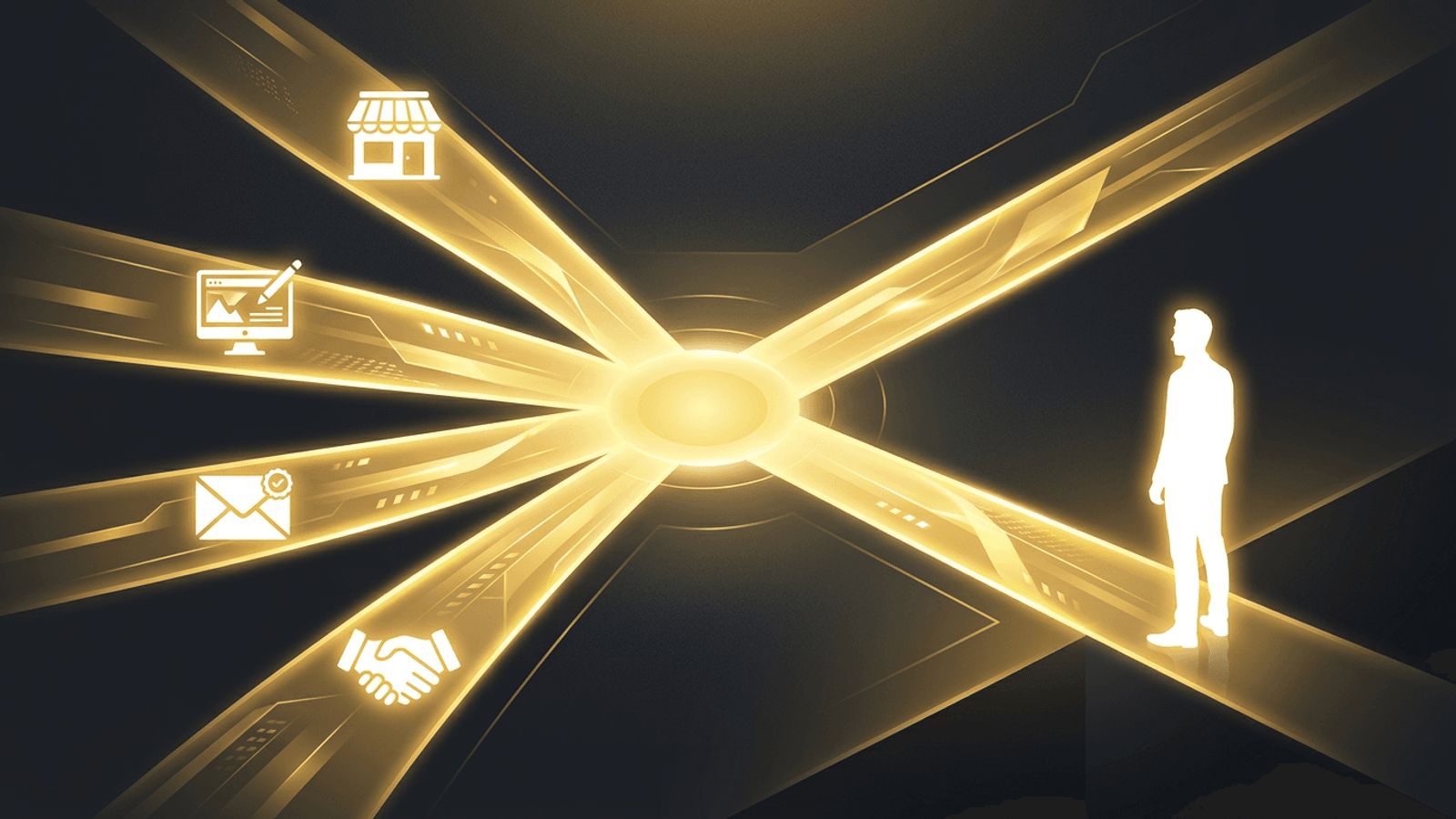
A great product is only valuable if it reaches the people who need it. Marketing channels are the pathways businesses use to deliver products, services, and messages to their customers. Choosing the right channels affects everything from pricing and profitability to customer experience and brand perception. While there are countless specific tactics, marketing channels are commonly grouped into four main types: direct selling, selling through intermediaries, dual distribution, and reverse channels. In this article, we will explore each type, explain how it works, and help you decide which combination fits your business goals.
How AAMAX.CO Helps Businesses Optimize Their Marketing Channels
Selecting and managing the right mix of channels requires both strategic insight and technical execution. AAMAX.CO is a full service digital marketing company offering Web Development, Digital Marketing, and SEO Services worldwide. They help businesses strengthen their direct channels with high-performing websites and search visibility while also supporting partner and marketplace strategies. Their team analyzes where customers discover and buy, then builds campaigns that drive traffic to the most profitable paths. For brands that want each channel to work harder and more efficiently, they provide the planning and implementation needed to make it happen.
What Is a Marketing Channel?
A marketing channel, sometimes called a distribution channel, is the set of people, organizations, and activities involved in moving a product or service from the producer to the end consumer. Channels can be physical, such as retail stores and wholesalers, or digital, such as websites, apps, and online marketplaces. The term is also used more broadly to describe communication channels, like email, search, and social media, that brands use to reach audiences.
1. Direct Selling Channels
In a direct channel, the business sells directly to the end customer without any intermediaries. Examples include company-owned stores, e-commerce websites, sales teams, door-to-door selling, and direct mail. Direct-to-consumer brands that sell exclusively through their own websites have become increasingly common.
Advantages: Direct channels give businesses full control over pricing, branding, and customer experience. They also provide direct access to customer data, which can be used to personalize marketing and improve products. Profit margins tend to be higher because no intermediaries take a cut.
Challenges: Businesses must invest heavily in marketing, logistics, and customer service. Building awareness and traffic can be costly, which is why strong digital marketing is essential for direct sellers.
2. Indirect Channels Through Intermediaries
Indirect channels involve one or more intermediaries between the producer and the customer. Common intermediaries include wholesalers, distributors, retailers, agents, brokers, and online marketplaces such as Amazon or Etsy.
Advantages: Intermediaries offer established reach, infrastructure, and customer trust. A small manufacturer can access thousands of customers by partnering with a national retailer, without building its own stores. Marketplaces provide built-in traffic and fulfillment options.
Challenges: Businesses give up some control over pricing, presentation, and customer relationships. Margins are lower, and the brand may become dependent on partners whose priorities differ from its own.
3. Dual Distribution Channels
Dual distribution, also known as hybrid or multichannel distribution, combines direct and indirect channels. A company might sell through its own website while also stocking products in retail stores and listing them on marketplaces. Many consumer electronics, apparel, and beauty brands use this approach.
Advantages: Dual distribution maximizes reach and gives customers multiple ways to buy. It diversifies risk, so the business is not dependent on a single channel. It also allows brands to collect direct customer data while benefiting from partners' reach.
Challenges: Managing multiple channels can create conflicts, especially when partners feel the brand is competing with them on price. Consistent messaging, pricing policies, and inventory management are critical to avoid confusion and channel friction.
4. Reverse Channels
Reverse channels move products from the consumer back to the producer or another party. This includes returns, recycling programs, refurbishment, resale, and trade-in schemes. With growing consumer interest in sustainability, reverse channels have become an important part of marketing strategy.
Advantages: Reverse channels support environmental goals, build customer loyalty, and can create new revenue streams through refurbished or resale products. Easy returns also reduce purchase anxiety, encouraging more customers to buy.
Challenges: Reverse logistics can be complex and expensive. Businesses must design processes for collecting, inspecting, and reprocessing products efficiently.
Digital Communication Channels to Support Distribution
Regardless of distribution model, businesses need communication channels to attract and engage customers. Search engines help people discover products when they have clear intent, and professional SEO services ensure your pages appear prominently. Social platforms build awareness and community, while email nurtures relationships over time. Paid advertising, including Google ads, delivers immediate visibility to targeted audiences and can be directed to whichever sales channel is most profitable.
How to Choose the Right Marketing Channels
Selecting channels starts with understanding your customers: where they research, how they prefer to buy, and what level of service they expect. Next, consider your product. Complex or high-value products often benefit from direct sales, while low-cost consumer goods may thrive through retail and marketplaces.
Evaluate your resources, including budget, logistics capabilities, and team expertise. Analyze competitors to see which channels dominate your industry and where gaps may exist. Finally, measure performance continuously. Track metrics such as customer acquisition cost, conversion rate, average order value, and lifetime value by channel to identify where to invest more.
Conclusion
The four types of marketing channels, direct, indirect, dual distribution, and reverse, each offer unique benefits and challenges. Most successful businesses use a thoughtful combination that balances reach, control, and profitability. By aligning channels with customer preferences and supporting them with strong digital communication, companies can deliver products more efficiently and build lasting relationships with their audiences.
Want to publish a guest post on aamconsultants.org?
Place an order for a guest post or link insertion today.