
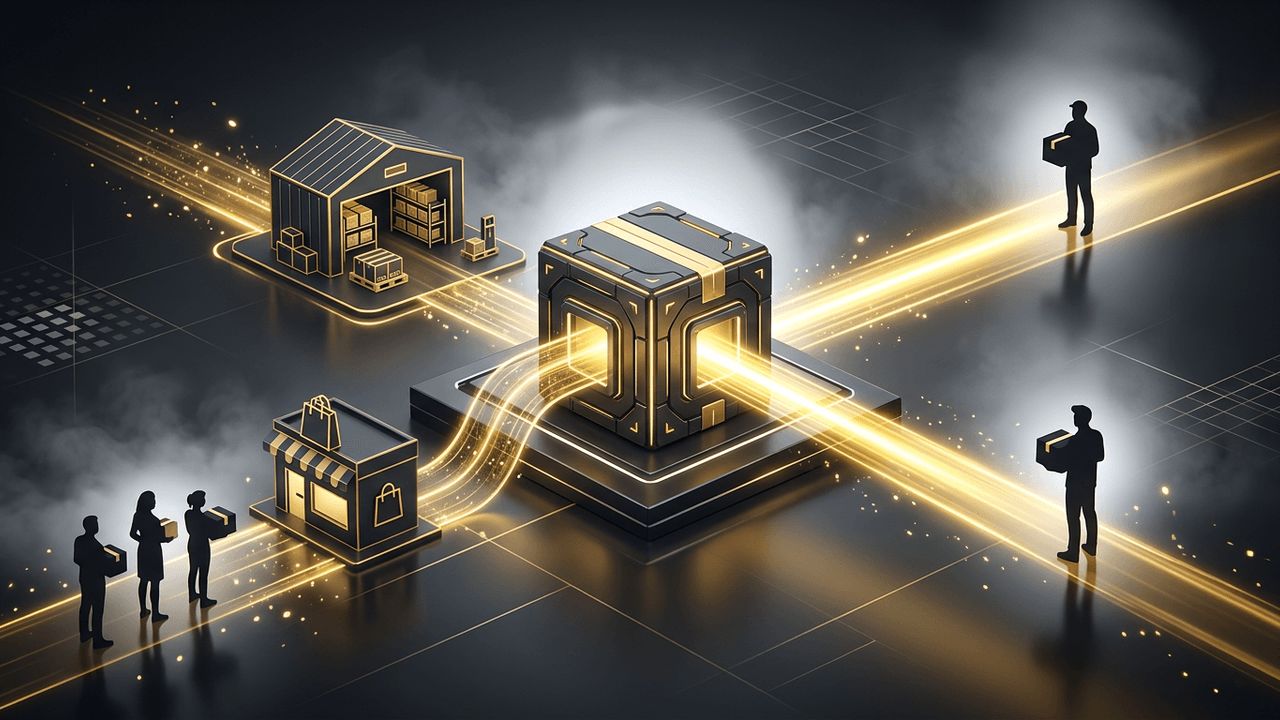
Creating a great product is only half the battle; getting it into the hands of customers is the other half. Marketing channels, also known as distribution channels, are the pathways through which goods and services travel from the producer to the end user. The channel a business chooses influences pricing, customer experience, brand control, and profitability. While there are countless variations, all marketing channels can be grouped into two fundamental types: direct and indirect. Understanding both is essential for any company planning how to reach its market efficiently and profitably.
How AAMAX.CO Helps Businesses Build Effective Marketing Channels
Choosing and optimizing channels requires a clear view of customer behavior and the digital tools to support each pathway. AAMAX.CO is a full-service digital marketing company offering web development, digital marketing, and SEO services worldwide. They help brands build direct-to-consumer websites and ecommerce stores, drive traffic through search and paid media, and support partner and reseller strategies with co-marketing assets. By aligning online channels with business goals, they help companies reach more customers while protecting margins. Businesses seeking a smarter channel strategy can hire them to design and execute it.
Type 1: Direct Marketing Channels
A direct marketing channel is one in which the manufacturer or service provider sells straight to the customer, with no intermediaries in between. This is sometimes called a zero-level channel. Examples include a brand's own ecommerce website, company-owned retail stores, direct sales teams, catalog sales, telemarketing, and subscription services delivered directly to consumers.
Direct-to-consumer brands have become especially prominent with the growth of ecommerce. Companies sell through their websites, social media shops, and mobile apps, owning the entire relationship with the customer from first click to post-purchase support.
Advantages of Direct Channels
- Higher margins: without intermediaries taking a cut, more revenue stays with the brand.
- Full brand control: the company controls messaging, presentation, pricing, and customer experience.
- Customer data ownership: direct relationships generate first-party data that fuels personalization and retention.
- Faster feedback: brands hear directly from customers and can iterate quickly.
Disadvantages of Direct Channels
Direct channels require the company to handle everything itself, including marketing, order fulfillment, logistics, customer service, and returns. Building awareness from scratch can be expensive, and scaling into new regions often demands significant investment in infrastructure and people. For many businesses, reaching a large audience without partners is slow and costly.
Type 2: Indirect Marketing Channels
An indirect marketing channel involves one or more intermediaries between the producer and the final customer. These intermediaries may include wholesalers, distributors, retailers, agents, brokers, and online marketplaces. Channel structures are often described by levels: a one-level channel uses a retailer, a two-level channel adds a wholesaler, and a three-level channel might include an agent or jobber as well.
Common examples include a consumer goods company selling through supermarkets, a software vendor using value-added resellers, or a small brand listing products on large online marketplaces.
Advantages of Indirect Channels
- Broader reach: intermediaries provide immediate access to established customer bases and geographic markets.
- Lower operational burden: partners handle storage, logistics, and sometimes customer service.
- Market expertise: local distributors understand regional preferences and regulations.
- Faster scaling: brands can expand without building infrastructure everywhere.
Disadvantages of Indirect Channels
Intermediaries take a share of revenue, reducing margins. Brands also lose some control over how products are displayed, priced, and described, and they often have limited access to end-customer data. Channel conflict can also arise when partners compete with each other or with the brand's own direct channel.
Hybrid and Omnichannel Approaches
Most successful companies today do not choose one type exclusively. Instead, they combine direct and indirect channels in a hybrid or omnichannel model. A brand might sell through its website, major retailers, and marketplaces simultaneously, using each channel for what it does best. The challenge is maintaining consistent pricing, branding, and customer experience across all touchpoints.
The Role of Digital Marketing in Both Channel Types
Regardless of channel structure, digital marketing drives demand. Direct channels rely on search visibility, paid advertising, email, and social media marketing to attract buyers to owned properties. Indirect channels benefit from brand awareness campaigns, marketplace optimization, and co-marketing programs that help partners sell more effectively.
How to Choose the Right Channel Strategy
Consider your product complexity, price point, target audience, competitive landscape, and internal resources. Complex or high-value products often benefit from direct sales and expert guidance, while low-cost, high-volume goods usually need the reach of retail partners. Evaluate where your customers prefer to buy, what margins you need, and how much control matters to your brand.
Conclusion
The two types of marketing channels—direct and indirect—each offer distinct strengths and trade-offs. Direct channels deliver control, margins, and customer data, while indirect channels provide reach, efficiency, and market expertise. By understanding both and blending them strategically, businesses can build distribution systems that serve customers well and support sustainable, profitable growth.
Want to publish a guest post on aamconsultants.org?
Place an order for a guest post or link insertion today.