
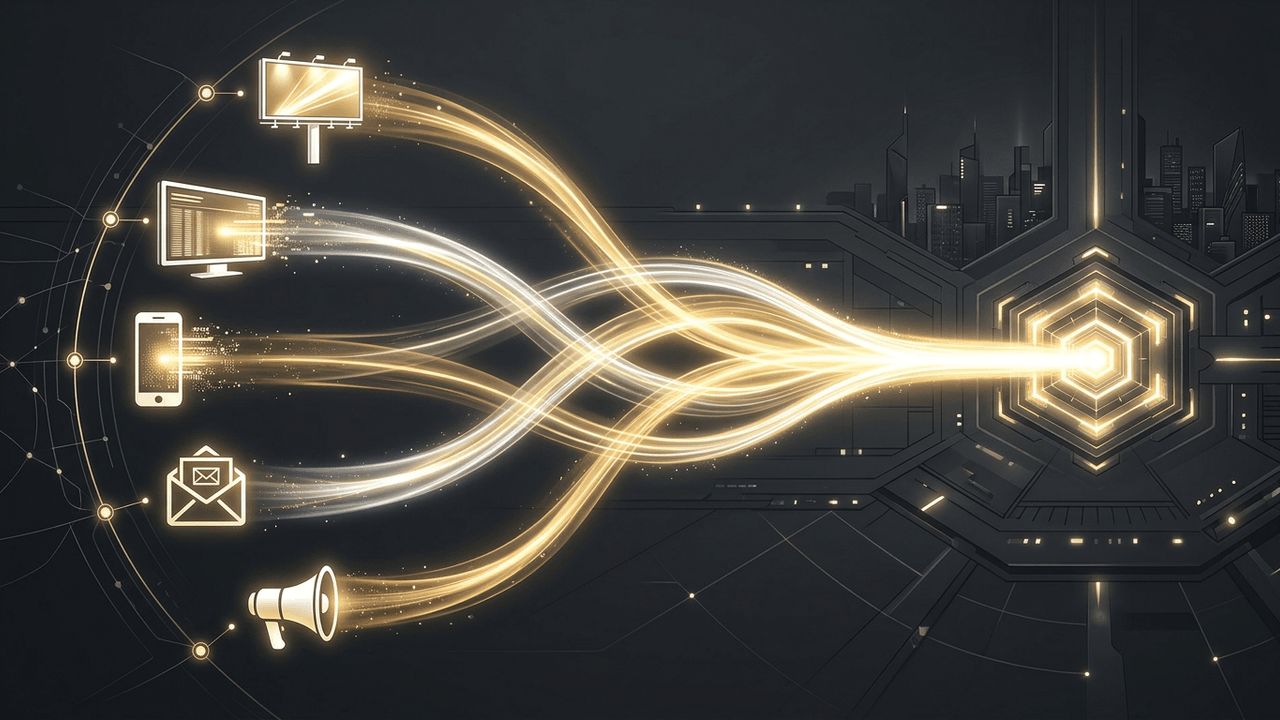
Customers rarely interact with a brand through a single channel. They might see a social media post, search for the company online, read a blog article, receive an email, and then visit a physical store before making a purchase. If each of those touchpoints delivers a different message, tone, or visual identity, the experience feels disjointed and trust erodes. That is the problem integrated marketing solves. So, what does integrated marketing mean? Integrated marketing means coordinating all marketing channels, messages, and tactics so they work together toward shared goals and present a unified brand experience.
How AAMAX.CO Delivers Integrated Marketing
Integration is easiest when strategy and execution live under one roof. AAMAX.CO is a full-service digital marketing company offering web development, digital marketing, and SEO services worldwide. They help businesses align websites, search, social, paid media, and content into one cohesive strategy. By planning campaigns holistically and sharing data across channels, they ensure each touchpoint reinforces the others, resulting in clearer messaging, better customer experiences, and stronger return on investment.
The Definition of Integrated Marketing
Integrated marketing, often called integrated marketing communications (IMC), is a strategic approach that blends different marketing methods, such as advertising, public relations, digital marketing, direct marketing, and sales promotion, into one coordinated effort. Instead of departments or agencies working in silos, every channel follows the same strategy, messaging framework, and brand guidelines.
The key idea is that the whole is greater than the sum of its parts. A consistent message repeated across complementary channels is more memorable and persuasive than disconnected campaigns.
Core Elements of Integrated Marketing
Consistent Messaging
The core value proposition and key messages remain the same across every channel, even when the format adapts. A TV ad, social post, and landing page might look different, but they tell the same story.
Unified Visual Identity
Logos, colors, typography, imagery, and design styles stay consistent, making the brand instantly recognizable wherever customers encounter it.
Coordinated Timing
Campaigns launch in a planned sequence across channels. For example, a product launch may begin with teaser social content, followed by email announcements, paid ads, PR coverage, and search campaigns.
Shared Data and Insights
Integrated marketing relies on shared analytics. Insights from one channel inform decisions in others, creating a continuous feedback loop.
Benefits of Integrated Marketing
- Stronger brand recognition: Repetition of consistent messages builds familiarity and trust.
- Better customer experience: Seamless transitions between channels reduce confusion and friction.
- Higher efficiency: Shared assets and coordinated planning reduce duplicated effort and wasted budget.
- Improved results: Channels amplify each other, increasing reach, engagement, and conversions.
- Clearer measurement: A unified strategy makes it easier to evaluate the full customer journey.
Integrated Marketing in the Digital Era
Digital channels make integration both more important and more achievable. Consider how digital channels connect: content marketing produces articles that support search engine optimization, which drives organic traffic. That same content is shared through social media marketing, while retargeting ads re-engage visitors who did not convert. Email nurtures captured leads, and analytics ties everything together. When planned holistically, each channel feeds the next.
Paid and organic search integration is a strong example. Data from Google Ads campaigns reveals which keywords convert best, informing organic content priorities. Meanwhile, strong organic rankings can reduce dependence on paid spend for certain terms.
Examples of Integrated Marketing Campaigns
Many iconic campaigns demonstrate integration. Global beverage brands often run campaigns where packaging, TV commercials, social challenges, in-store displays, and digital experiences all revolve around one central idea. Technology companies launch products with synchronized keynote events, press coverage, social content, website updates, and paid media. Even small businesses can integrate by aligning their website, Google Business Profile, social posts, email newsletters, and in-store signage around a seasonal promotion.
How to Build an Integrated Marketing Strategy
1. Define clear goals. Establish shared objectives, such as brand awareness, lead generation, or sales, that every channel supports.
2. Understand your audience. Map customer personas and journeys to identify which channels matter at each stage.
3. Create a core message. Develop a central idea and messaging framework that can adapt to each channel.
4. Choose complementary channels. Select a mix that reaches your audience effectively and allows channels to reinforce each other.
5. Align teams and partners. Ensure internal departments and external agencies share plans, calendars, and brand guidelines.
6. Measure holistically. Use attribution models and unified dashboards to evaluate performance across the full journey, not just individual channels.
Common Challenges
Integration can be difficult when teams operate in silos, use disconnected tools, or report to different leaders with competing priorities. Overcoming these challenges requires strong leadership, shared KPIs, centralized planning, and technology that connects data across platforms.
Conclusion
Integrated marketing means bringing every channel, message, and team together to create a seamless brand experience. Rather than running isolated campaigns, businesses coordinate strategy, timing, creative, and data so each touchpoint strengthens the next. The result is stronger brand recognition, better customer experiences, and more efficient, measurable growth.
Want to publish a guest post on aamconsultants.org?
Place an order for a guest post or link insertion today.