
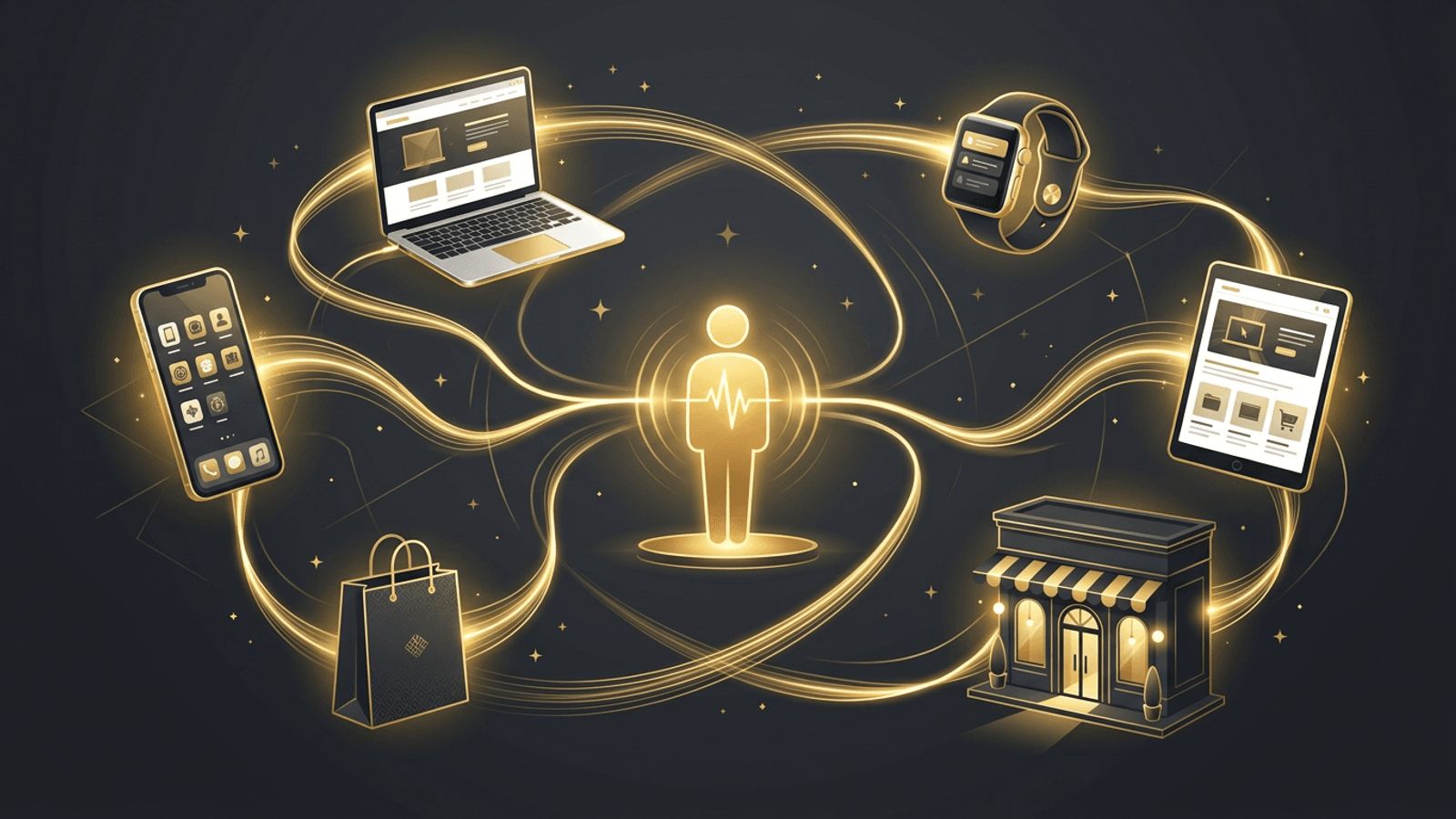
Today's customers do not follow a straight line from discovery to purchase. They might see a product on Instagram, research it on a laptop, compare prices on their phone, visit a physical store, and finally buy through an app. Each of these interactions shapes their perception of the brand. Omnichannel marketing is the approach that connects all of these touchpoints into a single, seamless experience. In this article, we explain what omnichannel means in marketing, how it differs from multichannel marketing, its benefits, and how to build a successful omnichannel strategy.
How AAMAX.CO Builds Connected Omnichannel Experiences
Delivering a seamless experience across every channel requires strategy, technology, and consistent execution. AAMAX.CO is a full-service digital marketing company providing Web Development, Digital Marketing, and SEO Services worldwide. They help brands connect websites, search, social media, email, and paid advertising into one cohesive customer journey. Their team ensures messaging, design, and data flow consistently so customers enjoy a unified experience no matter where they interact. Brands can also count on them for coordinated social media marketing that integrates naturally with every other touchpoint.
Defining Omnichannel Marketing
Omnichannel marketing is a customer-centric strategy that integrates all marketing and sales channels, both online and offline, to provide a consistent and personalized experience. The word "omni" means "all," and the idea is that customers should be able to move between channels without friction. Their preferences, history, and context follow them wherever they go, so each interaction builds on the previous one.
Omnichannel vs. Multichannel Marketing
Although they sound similar, omnichannel and multichannel are different:
- Multichannel marketing uses multiple channels to reach customers, but each channel often operates independently with its own messaging and data.
- Omnichannel marketing connects those channels so they work together, sharing data and delivering a unified experience centered on the customer.
For example, in a multichannel approach, a customer who abandons a cart online might still receive generic promotional emails. In an omnichannel approach, that customer might receive a reminder email about the exact product, see a related ad on social media, and find the item saved in their account when visiting the store app.
Key Elements of Omnichannel Marketing
Unified Customer Data
Omnichannel marketing depends on centralized customer data. CRM systems and customer data platforms combine information from websites, apps, stores, email, and social media to create a single customer view.
Consistent Branding and Messaging
Every channel should reflect the same brand voice, visual identity, and value proposition. Consistency builds trust and recognition.
Personalization
Using customer data, brands tailor content, offers, and recommendations to individual preferences and behaviors across channels.
Seamless Transitions
Customers should be able to start a journey in one channel and continue in another without repeating steps. Examples include buy online, pick up in store, or starting a support chat on the website and continuing it by email.
Integrated Technology
Marketing automation, ecommerce platforms, point-of-sale systems, and analytics tools must be connected so data flows freely and campaigns can be coordinated.
Benefits of Omnichannel Marketing
- Better customer experience: Seamless journeys reduce frustration and increase satisfaction.
- Higher engagement: Relevant, personalized messages capture attention.
- Increased sales: Customers who engage across multiple channels often spend more.
- Stronger loyalty: Consistent, convenient experiences keep customers coming back.
- Improved insights: Unified data reveals the full customer journey and the true impact of each channel.
Examples of Omnichannel Marketing in Action
Retailers often allow customers to check in-store inventory online, reserve items, and pick them up the same day. Coffee chains let customers order through an app, earn rewards across channels, and receive personalized offers. Banks enable customers to start an application online and finish it with an advisor in a branch. Ecommerce brands combine email, SMS, social ads, and website personalization to guide shoppers from discovery to repeat purchase.
How to Build an Omnichannel Marketing Strategy
- Map the customer journey: Identify every touchpoint customers use and where friction occurs.
- Centralize your data: Integrate systems to build a single view of each customer.
- Segment your audience: Group customers by behavior, preferences, and lifecycle stage.
- Create consistent messaging: Develop brand guidelines and shared campaign themes.
- Automate and personalize: Use triggers based on behavior to deliver relevant messages at the right time.
- Measure holistically: Use attribution models that reflect cross-channel influence rather than last-click only.
- Test and optimize: Continuously refine based on data and customer feedback.
Challenges of Omnichannel Marketing
Implementing omnichannel marketing can be complex. Data silos, legacy technology, organizational barriers between departments, and privacy regulations can all slow progress. Starting with the most important channels and expanding gradually helps businesses build momentum without becoming overwhelmed.
Conclusion
Omnichannel in marketing means delivering a seamless, consistent, and personalized experience across every channel a customer uses. Unlike multichannel marketing, it connects channels through shared data and coordinated strategy. The result is happier customers, stronger loyalty, and higher revenue. With the right strategy, technology, and partners, any business can move toward a truly omnichannel approach.
Want to publish a guest post on aamconsultants.org?
Place an order for a guest post or link insertion today.