
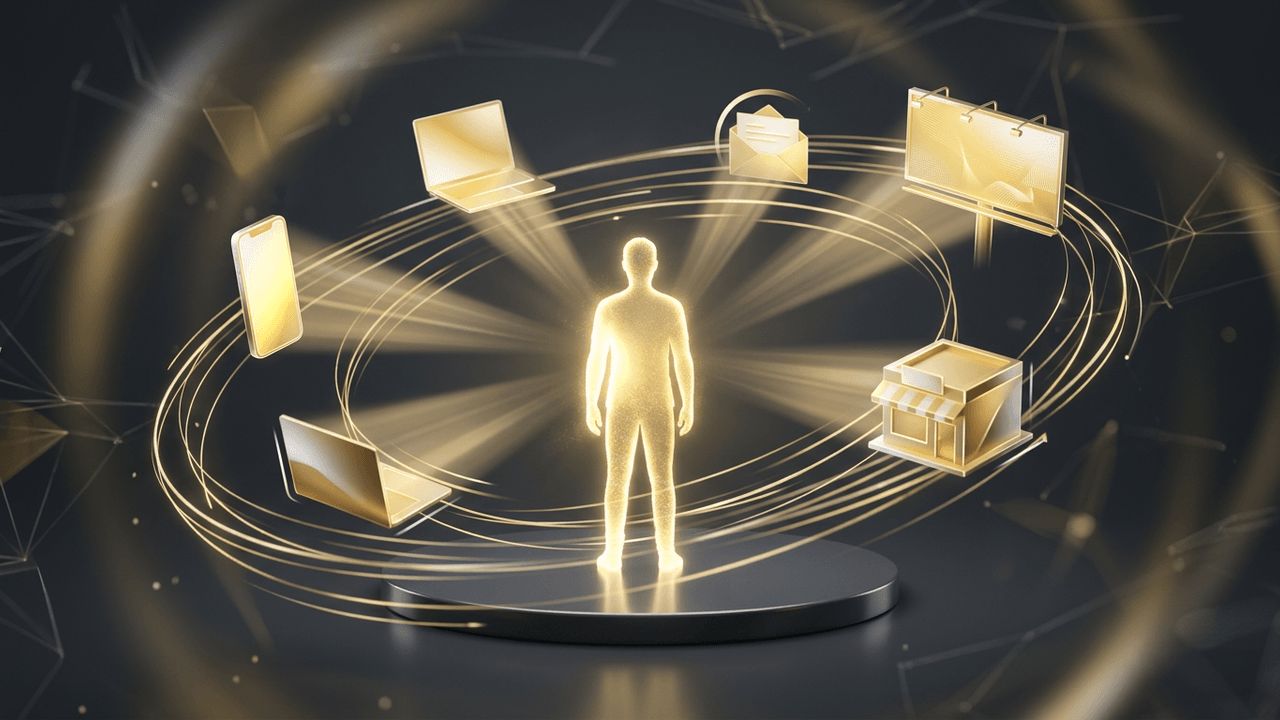
Integrated marketing and personalization are two of the most important concepts in modern marketing, and they are most powerful when combined. Integrated marketing ensures that every channel—email, social media, website, paid ads, retail, and customer service—delivers a unified brand message. Personalization tailors that message to the individual based on their preferences, behavior, and context. When these approaches work together, customers experience a brand that feels consistent everywhere yet speaks directly to them. This article explores what personalization means in the context of integrated marketing, why it matters, and how businesses can put it into practice.
How AAMAX.CO Helps Brands Deliver Integrated, Personalized Experiences
Bringing personalization and integration together requires coordinated strategy, connected technology, and consistent execution. AAMAX.CO is a full-service digital marketing company that offers web development, digital marketing, and SEO services to clients worldwide. They help brands connect their websites, data, and campaigns so that personalized messages flow seamlessly across channels. From building dynamic websites to orchestrating search, social, and email campaigns around shared audience insights, they deliver experiences that feel unified and relevant. Businesses looking to create integrated, personalized marketing can hire them to design and run it.
Defining Integrated Marketing
Integrated marketing is a strategic approach that aligns all marketing communications and channels around a single, cohesive brand story. Instead of running isolated campaigns on each platform, an integrated approach ensures that messaging, visuals, tone, and objectives are consistent. The goal is to create a seamless experience in which every touchpoint reinforces the others.
Defining Personalization
Personalization is the practice of tailoring content, offers, and experiences to individual customers or specific segments. It relies on data such as demographics, purchase history, browsing behavior, location, and stated preferences. Personalization can be as simple as using a customer's name or as sophisticated as dynamically changing website content in real time based on predicted intent.
Personalization Within Integration: The Core Idea
In the context of integrated marketing, personalization means delivering an individually relevant experience that remains consistent across all channels. It is not about personalizing one channel in isolation; it is about ensuring that what a customer sees in an email, on the website, in a social ad, and during a support call reflects the same understanding of who they are and what they need.
For example, if a customer browses hiking boots on a website, an integrated personalized approach might show them related content on social media, send a helpful buying guide by email, display relevant products when they return to the site, and equip the in-store associate with context if they visit a physical location. Each touchpoint is personalized, and all of them tell the same story.
Why Personalization Matters in Integrated Marketing
- Consistency builds trust: customers trust brands that remember them and communicate coherently.
- Relevance drives engagement: personalized messages earn more attention than generic ones.
- Efficiency improves ROI: targeting the right people with the right message reduces wasted spend.
- Better journeys: customers move smoothly from awareness to purchase without repetitive or conflicting messages.
The Building Blocks of Integrated Personalization
Unified Customer Data
Integrated personalization depends on a single view of the customer. Data from CRM systems, ecommerce platforms, email tools, analytics, and ad platforms must be connected so every channel works from the same profile. Without this foundation, personalization becomes fragmented and inconsistent.
Shared Segmentation and Messaging Frameworks
Teams should agree on core audience segments, personas, and messaging frameworks. When everyone uses the same definitions, the paid media team, content team, and email team can create personalized assets that still feel part of one campaign.
Journey Mapping
Mapping the customer journey reveals where personalization adds the most value. Different stages—awareness, consideration, purchase, onboarding, and loyalty—call for different messages. Integrated personalization ensures that each channel knows which stage the customer is in.
Connected Technology
Marketing automation, customer data platforms, and dynamic content tools make it possible to personalize at scale. Integration between these tools allows a behavior on one channel to trigger an appropriate response on another.
Common Mistakes to Avoid
One frequent mistake is personalizing in silos, such as having highly tailored emails but generic website experiences. Another is over-personalization that feels invasive. Brands should also avoid inconsistency, such as promoting a discount in an ad that is not honored on the website. Finally, neglecting privacy and consent can damage trust and create compliance risks.
Measuring Success
Effective measurement looks at the full journey rather than individual channels. Metrics like cross-channel conversion rates, customer lifetime value, retention, and engagement across touchpoints reveal whether integrated personalization is working. Supporting these efforts with strong SEO services also ensures that personalized journeys begin with discoverable, relevant content.
Conclusion
Personalization in the context of integrated marketing means giving each customer an experience that is tailored to them and consistent across every channel. It combines the coherence of integrated communication with the relevance of individual targeting. With unified data, shared frameworks, journey mapping, and connected technology, brands can create experiences that build trust, drive engagement, and deliver stronger returns on every marketing investment.
Want to publish a guest post on aamconsultants.org?
Place an order for a guest post or link insertion today.