
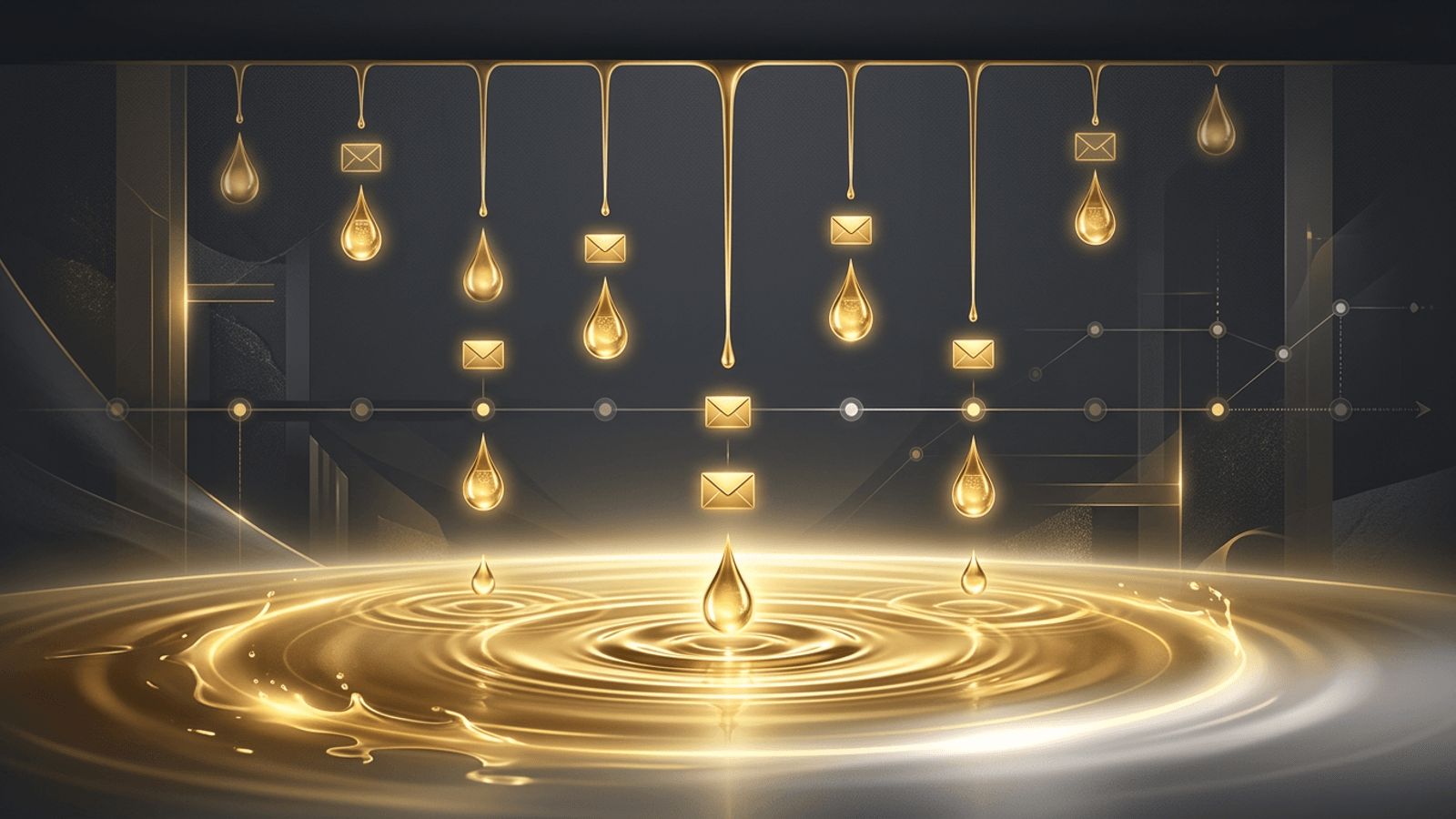
Imagine being able to send the right message to every subscriber at exactly the right moment, without manually pressing send each time. That is the promise of a drip campaign. Drip campaigns are sequences of pre-written emails that are delivered automatically over time, either on a fixed schedule or in response to specific actions. Like water dripping steadily from a tap, these campaigns deliver information gradually, nurturing relationships and guiding subscribers toward a goal. They are one of the most effective tools in modern email marketing because they combine personalization, timing, and scalability.
AAMAX.CO Builds Drip Campaigns That Convert
Designing a drip campaign that truly moves people through a funnel involves strategy, copywriting, automation setup, and well-optimized landing pages. AAMAX.CO is a full-service digital marketing company that offers web development, digital marketing, and SEO services to clients worldwide. They help businesses plan drip sequences around real customer journeys, write messages that feel personal, and connect every email to pages designed to convert. With their ability to manage both the traffic that feeds a list and the automation that nurtures it, they help ensure drip campaigns deliver measurable growth.
How Drip Campaigns Work
A drip campaign starts with a trigger. This could be a new subscriber joining a list, a customer making a purchase, a user abandoning a shopping cart, or a lead downloading a resource. Once the trigger occurs, the contact enters the sequence and receives the first email. Subsequent emails are sent after defined intervals, such as two days later, one week later, and so on.
More advanced drip campaigns include conditional logic. If a subscriber clicks a link or makes a purchase, they might move to a different branch of the sequence or exit it entirely. This ensures that people receive messages relevant to their behavior rather than a rigid, one-size-fits-all series.
Benefits of Drip Campaigns
Consistency. Drip campaigns ensure that every new lead or customer receives the same high-quality experience, regardless of how busy your team is. Timeliness. Messages arrive when they are most relevant, such as a reminder shortly after cart abandonment. Efficiency. Once built, a drip campaign works around the clock with minimal maintenance. Better engagement. Because drip emails are targeted and contextual, they typically achieve higher open and click rates than general broadcasts. Scalable nurturing. Businesses can nurture thousands of leads simultaneously without adding headcount.
Popular Types of Drip Campaigns
Welcome sequences introduce new subscribers to your brand, share your story, and highlight your most valuable content or products. Lead nurturing sequences educate prospects over time, addressing common questions and objections until they are ready to buy. Onboarding sequences help new customers or users get value from a product quickly, reducing churn. Abandoned cart sequences remind shoppers about items they left behind and may offer incentives to complete the purchase. Re-engagement sequences attempt to win back subscribers who have stopped opening emails. Post-purchase sequences thank customers, request reviews, and suggest complementary products.
Planning Your Drip Campaign
Start by defining a clear goal. Do you want to convert free trial users into paying customers, encourage repeat purchases, or educate leads about a complex service? Next, identify your audience and the trigger that will enroll them. Then map out the number of emails, the timing between them, and the purpose of each message.
A common structure for a lead nurturing sequence might include an introductory email delivering a resource, an educational email explaining a key problem, a story-driven email featuring a customer success example, an email addressing objections, and a final email with a clear offer. Each message should build on the previous one, creating a natural progression.
Writing Effective Drip Emails
Keep each email focused on a single idea and a single call to action. Write in a conversational tone that feels like it comes from a real person. Use personalization based on the data you have, such as the subscriber's name, industry, or the resource they downloaded. Subject lines should be clear and intriguing, and preview text should complement them.
Value should come before the sales pitch. Subscribers are more likely to respond to offers after they have received useful information. For example, a business promoting SEO services might first share practical tips for improving rankings before inviting readers to request an audit.
Timing and Frequency
There is no universal rule for timing, but most drip campaigns space emails between one and seven days apart. Time-sensitive sequences, such as abandoned cart reminders, may send the first email within an hour. Educational sequences can be spaced further apart to avoid overwhelming subscribers. Monitor unsubscribe rates and engagement to find the right rhythm for your audience.
Measuring and Optimizing
Track the performance of each email in the sequence as well as the overall conversion rate of the campaign. Identify where subscribers drop off or disengage, and test new subject lines, content, or timing at those points. Connecting drip campaign data to your CRM and analytics tools reveals how many leads ultimately convert into customers.
Drip campaigns are also more effective when paired with other channels. Retargeting subscribers with Google ads reinforces your email messaging and can accelerate conversions. Expert digital marketing consultancy can help coordinate these touchpoints into a seamless experience.
Common Mistakes to Avoid
Avoid sending too many emails too quickly, which can lead to unsubscribes. Do not forget to remove customers from sales-focused sequences after they purchase. Review your sequences regularly to keep content, links, and offers up to date. And always test the automation to confirm that triggers, delays, and conditions work as intended.
Conclusion
Drip campaigns allow businesses to deliver personalized, timely messages at scale. By choosing the right triggers, planning a logical sequence, writing valuable content, and continuously optimizing performance, you can build automated campaigns that nurture leads and grow revenue while you focus on other priorities. Start with a simple welcome sequence, learn from the results, and expand into more sophisticated drips as your program matures.
Want to publish a guest post on aamconsultants.org?
Place an order for a guest post or link insertion today.