
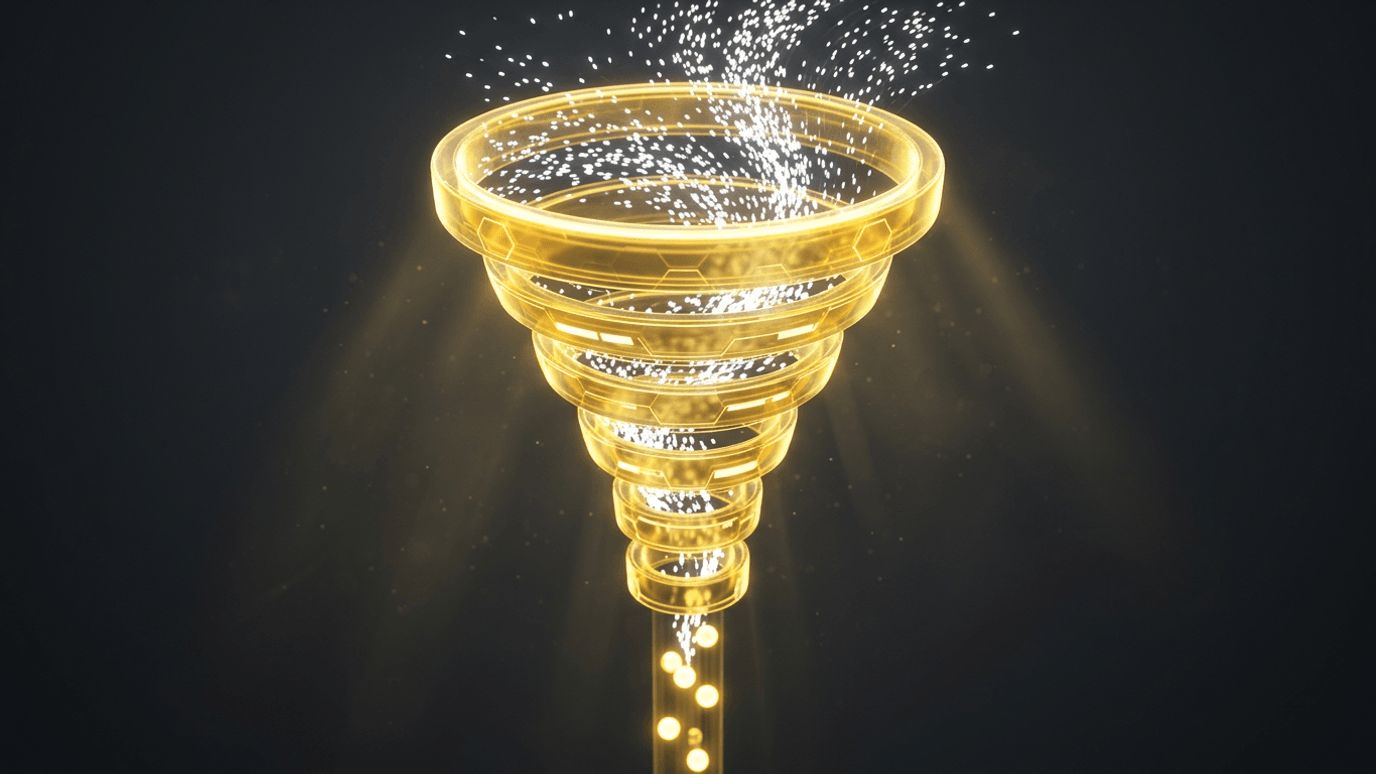
Very few people buy from a brand the first time they hear about it. Most go through a journey: they discover a problem, research solutions, compare options, and eventually make a decision. A digital marketing funnel is a model that maps this journey. It helps businesses understand where potential customers are in their decision process and what kind of message will move them to the next step. In this article, we explain what a funnel in digital marketing is, break down each stage, and share practical strategies for building and optimizing a funnel that converts.
How AAMAX.CO Builds High-Converting Funnels
Designing a funnel that works requires coordination between your website, content, ads, and follow-up systems. AAMAX.CO is a full-service digital marketing company that offers web development, digital marketing, and SEO services worldwide. They help businesses map customer journeys, create content for every funnel stage, build optimized landing pages, and set up tracking that reveals where prospects drop off. Their integrated approach ensures each stage of the funnel feeds smoothly into the next.
What Is a Marketing Funnel?
A marketing funnel visualizes the customer journey as a shape that is wide at the top and narrow at the bottom. Many people enter the top of the funnel when they first become aware of your brand, but only a portion move through each stage to become paying customers. The funnel metaphor helps teams understand that different audiences need different messages, and that losing some prospects at each stage is natural. The goal is to maximize how many qualified people move forward.
Stage 1: Awareness (Top of the Funnel)
At the awareness stage, people realize they have a problem or need, and they begin looking for information. They may not know your brand yet. Your goal is to get noticed and provide helpful, educational content. Effective tactics include:
- Blog posts and guides optimized for search
- Social media content and short-form videos
- Display and social advertising for reach
- Podcasts, infographics, and public relations
Strong search engine optimization is especially valuable here, because it puts your content in front of people at the exact moment they are seeking answers.
Stage 2: Interest and Consideration (Middle of the Funnel)
Once people are aware of potential solutions, they start evaluating options. They want deeper information, comparisons, and proof that a solution works. This is where you build trust and demonstrate expertise. Useful content includes:
- In-depth ebooks, whitepapers, and webinars
- Case studies and customer testimonials
- Product comparison pages and buying guides
- Email nurture sequences for subscribers
Lead magnets such as free templates or checklists are commonly used to capture contact details so you can continue the conversation.
Stage 3: Decision and Conversion (Bottom of the Funnel)
At the bottom of the funnel, prospects are ready to choose. They need reassurance and a clear reason to pick you. Tactics include free trials, demos, consultations, limited-time offers, detailed pricing pages, and retargeting ads. Landing pages should be focused, persuasive, and easy to act on, with minimal distractions and strong calls to action.
Stage 4: Retention and Advocacy
Modern funnels do not end at the purchase. Retaining customers is usually cheaper than acquiring new ones, and happy customers can become advocates. Onboarding emails, loyalty programs, customer support, exclusive content, and referral incentives keep customers engaged and encourage them to recommend you. Some marketers visualize this as a flywheel, where loyal customers feed new prospects back into the top.
TOFU, MOFU, and BOFU
You will often hear the abbreviations TOFU (top of funnel), MOFU (middle of funnel), and BOFU (bottom of funnel). These terms help teams classify content and campaigns by intent. A balanced content strategy includes assets for all three stages, ensuring prospects always have a logical next step.
How to Build a Digital Marketing Funnel
Start by defining your ideal customer and mapping their journey from problem to purchase. Identify the questions they ask at each stage and the channels they use. Create content and offers that address those questions. Connect stages with clear calls to action, such as moving a blog reader to a lead magnet and a subscriber to a demo request. Finally, set up analytics and marketing automation to track progress and send timely follow-ups.
Measuring Funnel Performance
Track metrics for each stage. At the top, measure traffic, impressions, and reach. In the middle, look at engagement, lead conversion rates, and email performance. At the bottom, monitor sales conversion rates, cost per acquisition, and revenue. Comparing conversion rates between stages reveals where prospects drop off, showing you exactly where to focus optimization efforts.
Tips for Optimizing Your Funnel
Improve page speed and mobile usability, since slow or clunky experiences lose prospects quickly. Personalize messages based on behavior and interests. Use retargeting to re-engage visitors who left without converting. Test different offers, headlines, and calls to action. Align sales and marketing teams so leads are followed up quickly and consistently.
Conclusion
A funnel in digital marketing is a practical framework for guiding people from first awareness to loyal advocacy. By creating stage-specific content, connecting each step with clear actions, and measuring performance throughout, you can turn more visitors into customers and more customers into promoters of your brand.
Want to publish a guest post on aamconsultants.org?
Place an order for a guest post or link insertion today.