
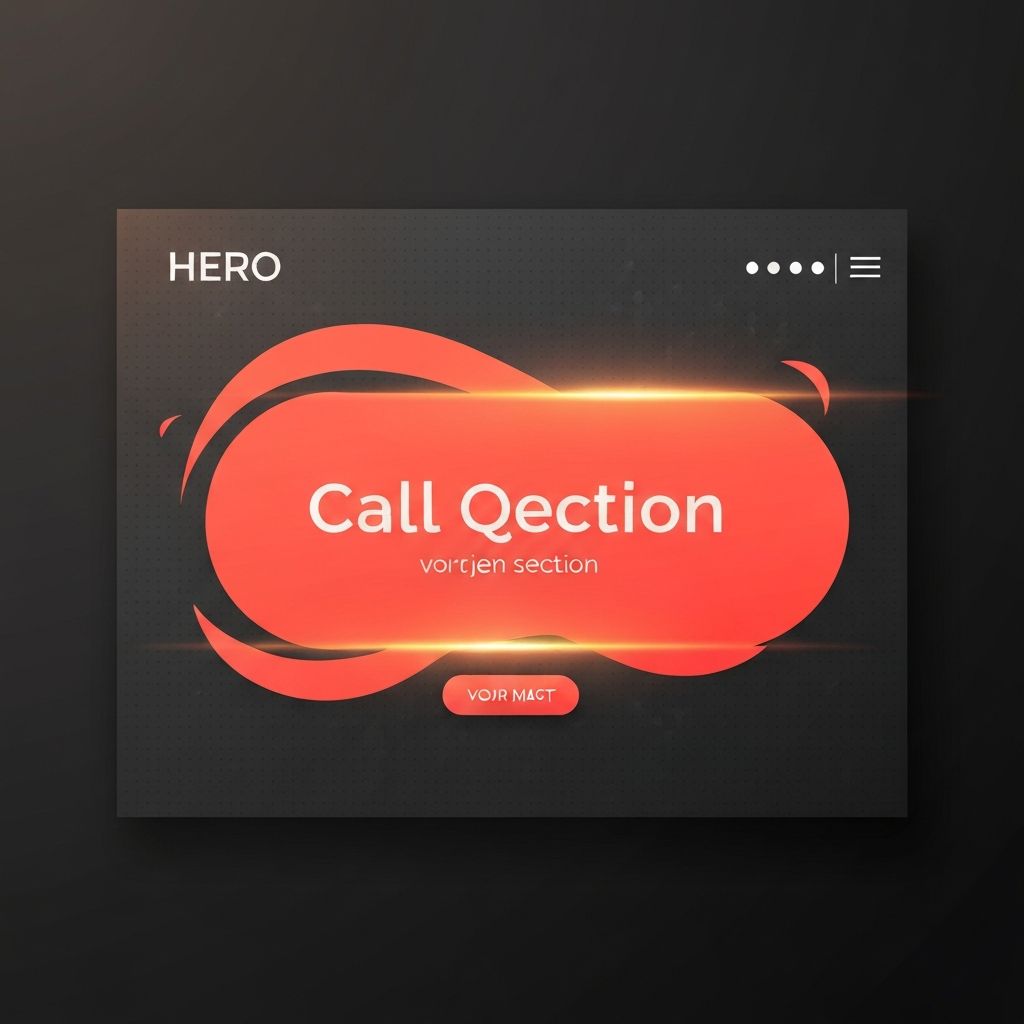
Understanding the Hero in Web Design
In web design, the hero refers to the prominent section at the top of a page, usually the first thing visitors see when the page loads. It typically combines a strong headline, supporting subtext, a striking visual, and a clear call to action. The term comes from print and editorial design, where a "hero image" was used to anchor the visual identity of an article or campaign. On the web, the hero performs a similar role but with added interactivity and strategic importance.
A well-designed hero communicates who you are, what you offer, and why visitors should care, all within seconds. Because attention spans online are short and competition is intense, the hero is often the single most important section on any page.
Hire AAMAX.CO to Design High-Impact Hero Sections
Businesses that want hero sections that convert often work with AAMAX.CO. They are a full-service digital marketing company offering web development, digital marketing, and SEO services worldwide. Their team understands how to combine strong messaging, refined visuals, and conversion-focused calls to action into hero sections that immediately communicate value. As part of their broader website design services, they craft heroes that reflect your brand while driving measurable results.
Core Components of a Hero Section
A typical hero contains several key elements. The headline is the most prominent piece of copy, usually expressing the main value proposition or promise of the page. The subhead provides supporting context, often explaining how the offering works or who it is for. A call to action, such as a button or link, invites visitors to take the next step, whether that is signing up, exploring a service, or making a purchase.
Visual elements are equally important. Hero sections may feature a photograph, illustration, video, animation, or even a 3D scene. The visual should reinforce the message rather than distract from it, helping visitors quickly understand the brand's personality and offering.
Why the Hero Matters So Much
The hero is the digital equivalent of a storefront window. It frames the entire visit, sets expectations, and influences whether someone stays or leaves. Studies of user behavior consistently show that visitors form impressions within seconds, often based primarily on the hero section. A confused or generic hero can lead to high bounce rates, while a clear and compelling one can dramatically improve engagement and conversions.
The hero also signals professionalism. A polished, well-considered hero suggests that the rest of the site, and the business behind it, are equally thoughtful and capable. A weak hero raises doubts that can undermine even strong content elsewhere on the page.
Common Hero Design Patterns
Several hero patterns have become widely used because they tend to work well. Centered heroes place the headline, subhead, and call to action in the middle of the screen, often over a full-width image or video. Split heroes divide the space, putting copy on one side and a visual on the other. Minimal heroes rely on bold typography and lots of whitespace, ideal for brands that want to feel refined and confident.
More dynamic patterns include sliders, animated illustrations, or interactive elements. While these can be engaging, they should be used carefully. Heavy hero sections can slow page load times and distract from the message, sometimes hurting performance more than they help.
Writing Effective Hero Copy
Strong hero copy is short, specific, and benefit-driven. It avoids vague statements and industry jargon, focusing instead on what the visitor cares about. A good headline answers the question, "What is this and why should I care?" quickly and clearly. The subhead can add detail, address a key objection, or reinforce credibility.
Calls to action should be direct and aligned with the user's goals. Phrases like "Get started", "Book a free demo", or "See pricing" outperform vague labels like "Click here". The button design should make it visually distinct, with strong contrast against the surrounding elements.
Performance and Accessibility Considerations
Because the hero loads first, it has a major impact on perceived performance. Large images, autoplay videos, or heavy animations can slow down the entire page, especially on mobile devices. Optimizing assets, using modern formats, and lazy-loading non-critical media all help maintain a fast experience.
Accessibility is just as important. Text should have sufficient contrast against backgrounds, especially when overlaid on images. Videos and animations should not auto-play with sound, and motion should be reducible for users who prefer it. These details ensure that the hero serves all visitors, not just some.
Conclusion
The hero in web design is far more than a decorative banner. It is a strategic section that combines messaging, visuals, and calls to action to make a powerful first impression. By focusing on clarity, relevance, performance, and accessibility, businesses can create heroes that engage visitors, communicate their value clearly, and drive measurable outcomes. When the hero is right, the rest of the page has a much better chance of succeeding.
Want to publish a guest post on aamconsultants.org?
Place an order for a guest post or link insertion today.