
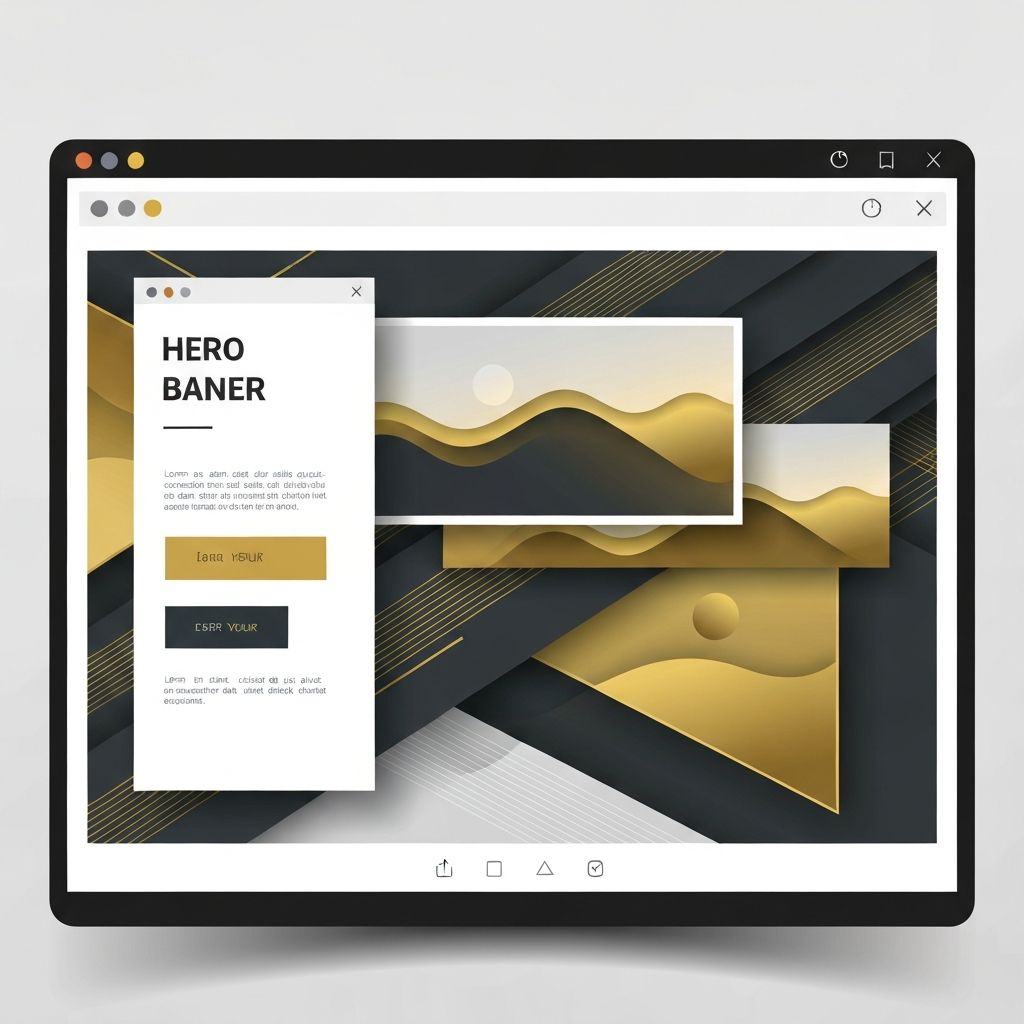
Hero Section Web Design Definition
A hero section, in web design terms, is the large, prominent area at the top of a webpage that acts as its visual and strategic centerpiece. It is typically the first content visitors see above the fold, combining a headline, supporting text, a call to action, and a striking visual element such as an image, video, or illustration. The hero section sets the tone for the entire page and plays a central role in how users perceive a brand within their first few seconds on a site.
Although the exact format varies by industry and goal, the underlying definition is consistent: the hero section is the leading impression of a page, designed to capture attention, communicate value, and guide visitors toward a desired action.
Hire AAMAX.CO for Hero Sections That Convert
Businesses that want hero sections aligned with both brand and performance goals often partner with AAMAX.CO. They are a full-service digital marketing company offering web development, digital marketing, and SEO services worldwide. Their team designs hero sections as part of full website design projects, balancing aesthetics with conversion psychology. With their experience across many industries, they know how to translate complex offerings into clear, compelling first impressions.
Origins of the Term "Hero"
The word "hero" originally comes from print design, where the "hero image" was the dominant visual on a magazine cover or advertisement. It served as a focal point that drew the eye and represented the main idea of the content. As digital design evolved, the concept moved online and expanded into the broader idea of a hero section, which combines visuals with text and interactive elements.
Today, the term is widely used in web design, marketing, and product design to describe any large, prominent introduction section on a webpage.
Key Elements That Define a Hero Section
While designs vary, certain elements are commonly part of the hero section definition. The headline is the most visible piece of copy and usually expresses the main value proposition. The subhead supports the headline by adding clarity, context, or differentiation. A call to action, such as a button or prominent link, invites visitors to engage further.
Visual elements often include a hero image, video, illustration, or animated graphic that supports the message. Some heroes also include trust indicators such as star ratings, client logos, or short testimonials, helping new visitors quickly judge credibility.
Purpose and Strategic Role
The strategic purpose of a hero section is to answer three core questions almost instantly: What is this? Who is it for? Why should I care? When these questions are answered clearly, visitors are more likely to continue exploring the site. When they are not, bounce rates rise quickly.
The hero also frames the rest of the page. It sets expectations for tone, design quality, and content depth. If the hero feels professional and relevant, visitors are more open to engaging with the rest of the experience. If it feels confusing or generic, the rest of the page rarely gets the attention it deserves.
Different Types of Hero Sections
Hero sections come in many forms. Static heroes use a single image or illustration paired with text. Video heroes use background videos to create movement and emotion. Slider heroes rotate through multiple messages or offers, although their effectiveness is debated due to potential distraction and slower load times.
Minimal heroes rely heavily on typography and whitespace, projecting clarity and confidence without strong visuals. Interactive heroes use animations, scroll effects, or 3D elements to create a memorable first impression, particularly for tech, creative, or product-focused brands.
Best Practices for Effective Hero Sections
To make a hero section effective, designers should keep messaging short, specific, and benefit-driven. Headlines should focus on what the visitor gains rather than abstract claims. Subheads should add detail or address a likely concern. Calls to action should use action-oriented language and visual prominence to stand out clearly.
Visuals should support, not overwhelm, the message. Imagery should reflect real users or scenarios where possible, and animations or videos should be subtle enough not to distract from the core call to action. Performance is critical: optimized assets and modern image formats help ensure that the hero loads quickly across all devices.
Accessibility and Mobile Considerations
A complete hero section definition includes accessibility and mobile usability. Text overlaying images must have strong contrast and remain legible on small screens. Buttons should be large enough to tap easily on touch devices. Animated or video backgrounds should respect users' motion preferences and not interfere with screen readers.
On mobile, the hero often needs to be simplified. Long headlines may need to be shortened, multi-column layouts converted to stacked formats, and decorative elements reduced to keep the section fast and focused.
Conclusion
The hero section, by definition, is far more than a decorative banner. It is the strategic introduction to a webpage, combining design, messaging, and functionality into one of the most influential elements in modern web design. Understanding what a hero section is and how it works empowers businesses to use it intentionally, creating first impressions that capture attention, build trust, and drive meaningful action.
Want to publish a guest post on aamconsultants.org?
Place an order for a guest post or link insertion today.