
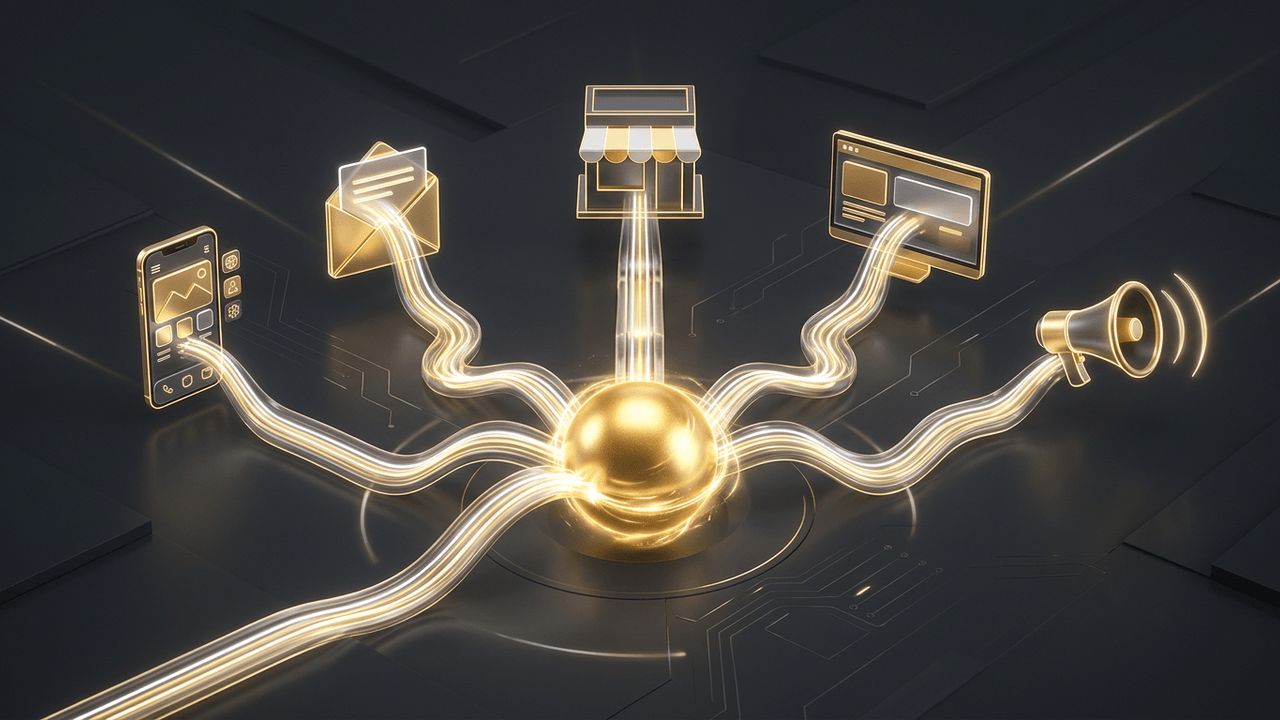
Every product, no matter how innovative, needs a path to reach the people who will buy it. That path is called a marketing channel. Whether a business sells handmade candles, enterprise software, or professional services, the channels it chooses determine who hears its message, how often they hear it, and how easily they can act on it. Understanding marketing channels is one of the most fundamental skills in modern business, because the right channel mix can multiply results while the wrong one can quietly drain a budget without producing meaningful growth.
How AAMAX.CO Helps Businesses Build the Right Marketing Channels
Choosing and managing channels is far easier with experienced specialists on your side. AAMAX.CO is a full-service digital marketing company that offers web development, digital marketing, and SEO services to clients worldwide. Their team helps businesses map out which channels their audience actually uses, then builds and manages campaigns across those channels with a focus on measurable outcomes. From organic search to paid advertising and social platforms, they connect each channel to a clear business goal, so companies can stop guessing and start growing with a coordinated, data-driven strategy.
Defining a Marketing Channel
A marketing channel is any medium, platform, or intermediary a business uses to communicate with potential customers and deliver value to them. In the traditional sense, marketing channels described the chain of wholesalers, distributors, and retailers that moved a physical product from factory to shopper. Today the term is broader. It includes the communication touchpoints where a brand reaches its audience, such as search engines, email inboxes, social feeds, podcasts, billboards, and even word of mouth.
In short, a marketing channel answers two questions: where will the audience encounter the brand, and how will the product or service get into their hands? Some channels handle both, like an ecommerce store promoted through search ads, while others focus purely on awareness or purely on distribution.
Direct vs. Indirect Marketing Channels
Marketers often classify channels by whether the business interacts with the customer directly or relies on a third party.
- Direct channels connect the brand and the buyer without intermediaries. Examples include a company website, a branded mobile app, email newsletters, and in-house sales teams.
- Indirect channels involve partners such as retailers, marketplaces, affiliates, resellers, or agents who help sell or promote the product.
Direct channels offer more control over pricing, messaging, and customer data. Indirect channels can deliver reach and credibility faster, but the business shares margin and gives up some control over the customer experience. Most successful companies use a hybrid model that blends both approaches.
Common Types of Digital Marketing Channels
The digital landscape has created an enormous variety of options. Some of the most widely used include:
- Search engines: Organic rankings earned through search engine optimization and paid placements bought through pay-per-click platforms.
- Social media: Platforms such as Facebook, Instagram, LinkedIn, TikTok, and YouTube, used for both organic community building and paid campaigns.
- Email: One of the highest return channels, ideal for nurturing leads and retaining customers.
- Content marketing: Blogs, guides, videos, and podcasts that attract and educate an audience.
- Display and programmatic advertising: Banner and video ads served across websites and apps.
- Affiliate and influencer partnerships: Third parties who promote a brand in exchange for commission or fees.
Offline channels such as print, radio, television, events, and direct mail still matter for many industries, especially when combined thoughtfully with digital efforts.
Why Marketing Channels Matter
Channels shape almost every aspect of performance. They influence how much it costs to acquire a customer, how quickly a business can scale, and what kind of relationship it builds with buyers. A channel that reaches the right audience at the right moment can generate leads at a fraction of the cost of a poorly matched alternative.
Channels also affect brand perception. A luxury brand that appears only in discount marketplaces may weaken its positioning, while a B2B software firm that ignores LinkedIn might miss the decision-makers it needs. Strategic channel selection ensures that the brand shows up where its credibility is strengthened rather than diluted.
How to Evaluate a Marketing Channel
Before investing heavily, it helps to assess each channel against a consistent set of criteria:
- Audience fit: Does the target customer actively use this channel?
- Intent level: Are people on this channel looking to buy, learn, or simply be entertained?
- Cost structure: Is it pay-per-click, pay-per-impression, a flat fee, or primarily time and labor?
- Scalability: Can spend be increased without a sharp decline in returns?
- Measurability: Can conversions and revenue be tracked reliably?
Running small, controlled tests is the most dependable way to evaluate a channel. A modest budget and a clear success metric reveal far more than assumptions ever could.
Building a Multichannel Strategy
Few buyers convert after a single interaction. A typical customer might discover a brand through a social post, research it through search, sign up for an email list, and finally purchase after a retargeting ad. That is why a multichannel approach, where channels reinforce one another, usually outperforms relying on a single source of traffic.
The key is consistency. Messaging, visuals, and offers should feel unified across every touchpoint, so the customer experiences one coherent brand rather than a set of disconnected campaigns. Attribution tools and analytics help reveal how channels work together, guiding smarter budget allocation over time. Businesses that need help designing this kind of integrated plan often turn to expert digital marketing partners to coordinate execution.
Common Mistakes to Avoid
Many businesses spread themselves too thin by trying to be everywhere at once. It is usually better to master two or three channels than to underperform on ten. Another frequent mistake is copying competitors without validating that the same channels suit your own audience and margins. Finally, failing to track results makes it impossible to know which channels are truly working.
Conclusion
A marketing channel is the bridge between a business and its customers, covering both how the message travels and how the product is delivered. By understanding the difference between direct and indirect channels, exploring the full range of digital and offline options, and evaluating each channel with clear criteria, businesses can build a channel mix that drives sustainable growth. With careful testing, consistent messaging, and expert support where needed, the right channels become a reliable engine for reaching customers and turning attention into revenue.
Want to publish a guest post on aamconsultants.org?
Place an order for a guest post or link insertion today.