
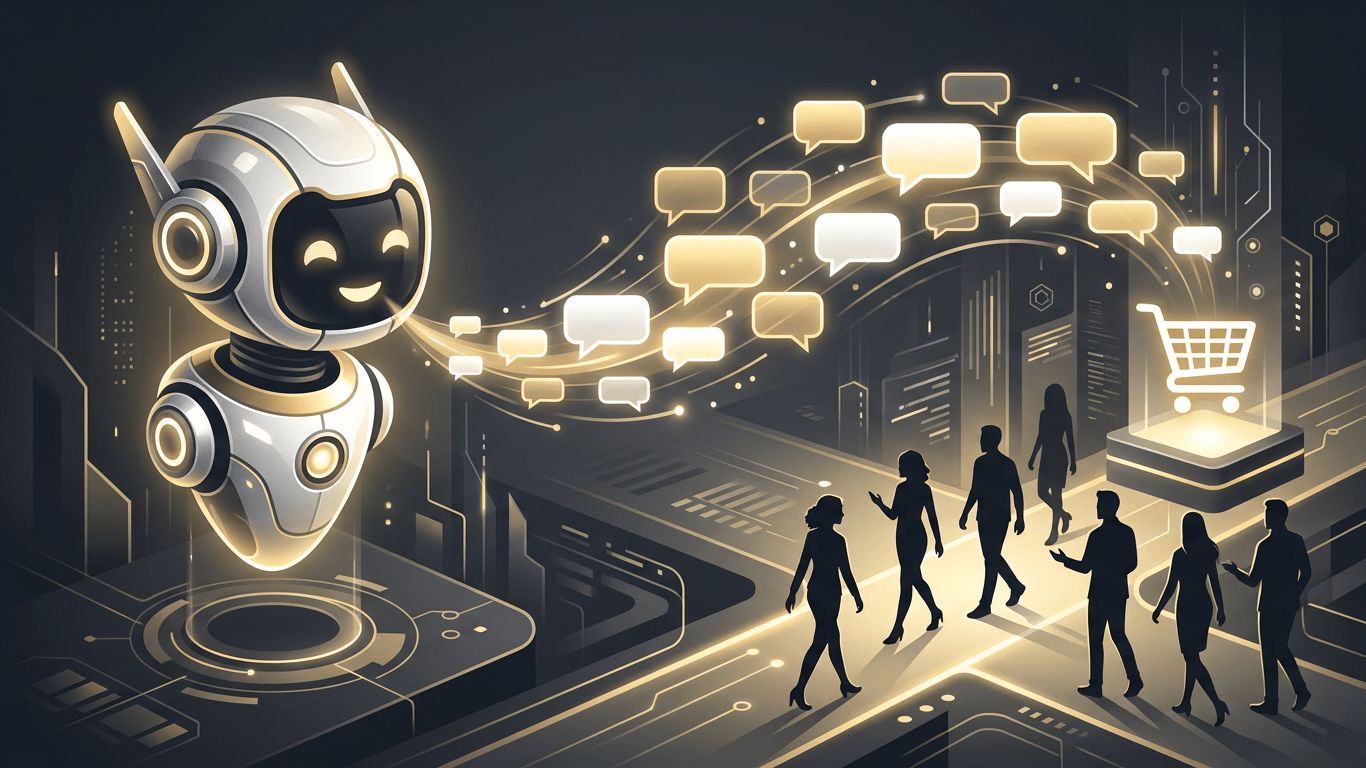
Customers expect instant responses. Whether they are browsing a website at midnight or asking a question on social media during lunch, waiting hours for a reply often means losing their interest. Chatbot marketing addresses this challenge by using automated, conversational software to interact with prospects and customers in real time. Powered increasingly by artificial intelligence, chatbots can answer questions, recommend products, capture leads, and guide users toward conversion. In this article, we explain what chatbot marketing is, how it works, and how to use it effectively.
How AAMAX.CO Supports Conversational Marketing Success
A chatbot is only effective when it fits into a well-designed customer journey. AAMAX.CO is a full-service digital marketing company offering web development, digital marketing, and SEO services worldwide. They help businesses integrate chatbots into high-performing websites, design conversation flows that reflect brand voice, and connect chatbot data to CRM and analytics systems. By aligning conversational tools with broader campaigns, their team ensures chatbots generate qualified leads rather than simply answering questions. Brands that want a strategic, results-focused approach to digital marketing will find them a capable partner.
Defining Chatbot Marketing
Chatbot marketing is the use of automated chat programs to promote products and services, engage audiences, and move users through the marketing funnel. Chatbots can live on websites, mobile apps, messaging platforms like WhatsApp and Facebook Messenger, and even within SMS. They simulate human conversation using either predefined rules or AI-driven natural language understanding.
Types of Marketing Chatbots
Rule-Based Chatbots
These bots follow decision trees with predefined buttons and responses. They are reliable for simple tasks such as booking appointments, answering FAQs, or routing inquiries, but they struggle with unexpected questions.
AI-Powered Chatbots
AI chatbots use large language models and natural language processing to understand intent and respond conversationally. They can handle complex questions, personalize recommendations, and learn from interactions. Many modern solutions combine AI flexibility with rule-based guardrails for critical flows.
Hybrid Chatbots
Hybrid systems start with automation and seamlessly hand conversations to human agents when needed. This approach balances efficiency with the empathy and judgment of real people.
Key Benefits of Chatbot Marketing
- 24/7 availability: Engage visitors at any time, across time zones.
- Faster response times: Instant replies reduce bounce rates and improve satisfaction.
- Lead generation and qualification: Ask qualifying questions and route hot leads to sales.
- Personalization: Recommend products or content based on user responses and behavior.
- Cost efficiency: Handle large volumes of routine inquiries without expanding support teams.
- Valuable insights: Conversation data reveals customer questions, objections, and needs.
Common Chatbot Marketing Use Cases
Lead Capture
Instead of static forms, chatbots engage visitors in a natural conversation, collecting contact details and qualifying information along the way. Conversational forms often achieve higher completion rates.
Product Recommendations
Ecommerce chatbots ask shoppers about preferences, budgets, and needs, then suggest relevant products, similar to a helpful in-store associate.
Appointment Booking
Service businesses use chatbots to schedule consultations, demos, and appointments directly within the conversation, syncing with calendars automatically.
Customer Support
Bots answer common questions about shipping, returns, pricing, and features, freeing human agents for complex issues.
Social Media Engagement
Messenger and Instagram bots respond to comments and direct messages, run interactive campaigns, and deliver promotions. Combined with strategic social media marketing, these bots can turn social engagement into measurable sales.
Re-engagement Campaigns
Chatbots on messaging apps can send abandoned cart reminders, order updates, and personalized offers to opted-in users.
How to Build an Effective Chatbot Marketing Strategy
Define Clear Goals
Decide whether your chatbot's primary purpose is lead generation, sales, support, or engagement. Clear goals shape conversation design and success metrics.
Know Your Audience
Analyze common customer questions, pain points, and buying journeys. Use this research to design relevant conversation paths.
Design Natural Conversations
Write in a friendly, concise tone that matches your brand. Use quick-reply buttons to guide users while allowing free-text input for flexibility.
Offer a Human Handoff
Always provide an easy path to a human representative. Frustrated users who feel trapped with a bot can quickly become lost customers.
Integrate with Your Tech Stack
Connect your chatbot to CRM, email marketing, ecommerce, and analytics platforms so data flows seamlessly and leads receive timely follow-up.
Test and Optimize
Review transcripts regularly, identify drop-off points, and refine responses. Track metrics such as engagement rate, lead conversion rate, resolution rate, and customer satisfaction.
Chatbot Marketing Best Practices
- Be transparent that users are chatting with a bot.
- Keep messages short and scannable.
- Trigger chats contextually, such as on pricing pages or after a visitor spends time on a product.
- Avoid being overly intrusive with pop-ups.
- Protect user data and comply with privacy regulations.
- Continuously train AI bots with accurate, up-to-date information.
The Future of Chatbot Marketing
As AI continues to improve, chatbots are evolving into intelligent assistants capable of handling end-to-end customer journeys. They can remember past interactions, personalize offers in real time, and even complete transactions within the chat window. Voice-enabled bots and agentic AI will further blur the line between marketing, sales, and support.
Conclusion
Chatbot marketing is a powerful way to engage customers instantly, capture and qualify leads, and deliver personalized experiences at scale. Success depends on clear goals, thoughtful conversation design, seamless integrations, and continuous optimization. When implemented as part of a broader digital strategy, chatbots become a valuable extension of your marketing team, working around the clock to build relationships and drive revenue.
Want to publish a guest post on aamconsultants.org?
Place an order for a guest post or link insertion today.