
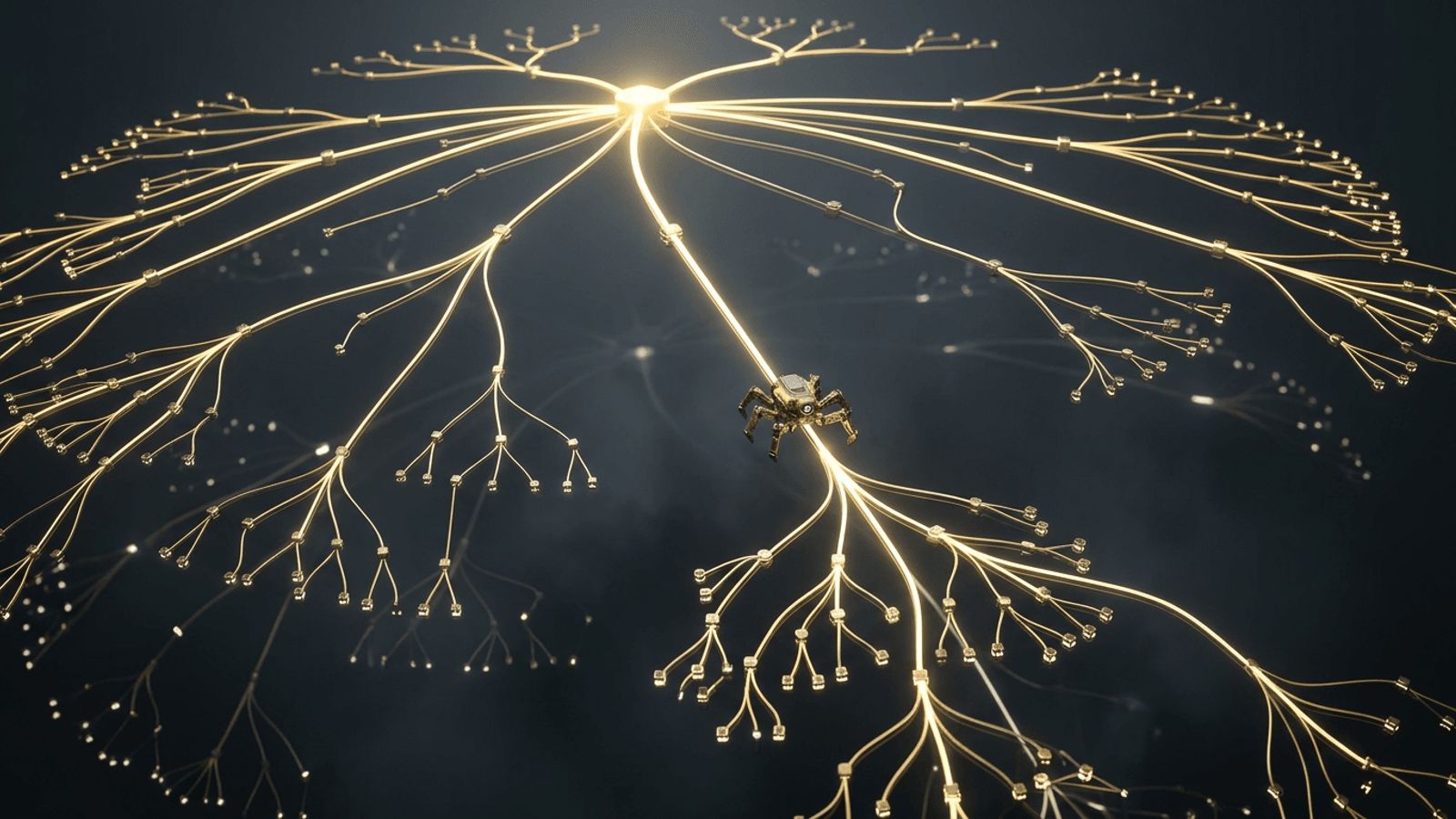
Search engines discover web pages by following links, much like a visitor clicking from one page to another. The farther a page sits from your homepage, the harder it can be for search engine crawlers to find it and the less important it may appear. This concept is known as crawl depth, and it plays a meaningful role in technical SEO. In this article, we will explain what crawl depth is, why it matters, how to measure it, and how to optimize your website so important pages are easy to discover and rank.
How AAMAX.CO Improves Site Architecture and Crawlability
Optimizing crawl depth often requires rethinking navigation, internal linking, and site structure, which is where AAMAX.CO excels. They are a full service digital marketing company offering web development, digital marketing, and SEO services worldwide. Their technical SEO specialists run comprehensive crawls, identify buried pages, and redesign architecture so valuable content sits closer to the homepage. Because they also build websites, they can implement structural improvements directly. Businesses with large or complex sites hire them for technical SEO services that make every important page discoverable.
Defining Crawl Depth
Crawl depth, sometimes called click depth or page depth, refers to the number of clicks required to reach a specific page from the homepage. The homepage itself has a depth of zero. Pages linked directly from the homepage have a depth of one. Pages linked from those pages have a depth of two, and so on.
For example, if a user must click from the homepage to the Blog page, then to a Category page, then to page three of the archive, and finally to an article, that article has a crawl depth of four or more.
Why Crawl Depth Matters for SEO
Crawl Efficiency
Search engines allocate a certain amount of crawling resources to each website, often referred to as crawl budget. Pages buried deep in the structure may be crawled less frequently or not at all, especially on large sites. Shallow pages are discovered and refreshed more quickly.
Perceived Importance
Pages closer to the homepage typically receive more internal links and more link equity. Search engines interpret this as a signal that these pages are important. Deep pages may be seen as less significant, which can affect their ranking potential.
Indexing Speed
New content that is several clicks deep may take longer to be indexed. For news sites, ecommerce stores with changing inventory, or blogs publishing frequently, slow indexing can mean missed opportunities.
User Experience
Crawl depth also reflects how easy it is for people to find content. If users must click repeatedly to reach key information, they may give up. Good architecture serves both visitors and search engines.
What Is an Ideal Crawl Depth?
A widely accepted guideline is that important pages should be reachable within three clicks from the homepage. This is not a strict rule, and large sites may naturally have deeper pages. However, your most valuable pages, such as core services, top products, and cornerstone content, should be as shallow as possible.
How to Measure Crawl Depth
SEO crawling tools such as Screaming Frog, Sitebulb, Semrush Site Audit, and Ahrefs Site Audit report crawl depth for each URL. These tools simulate how search engines move through your site and show the distribution of pages by depth. Look for important pages sitting at depth four or deeper, as well as orphan pages that have no internal links at all.
Common Causes of Excessive Crawl Depth
- Deep pagination: Blog or product archives that require many "next page" clicks.
- Overly nested categories: Complex hierarchies with too many subcategory levels.
- Weak internal linking: Content that is linked only from one archive page.
- Orphan pages: Pages with no internal links pointing to them.
- Faceted navigation issues: Filter combinations that create endless URL variations.
How to Optimize Crawl Depth
- Flatten your site architecture: Reduce unnecessary category levels and group content logically.
- Strengthen internal linking: Link to important pages from related articles, the homepage, and high-authority pages.
- Use hub and pillar pages: Create comprehensive topic pages that link to related subtopics.
- Improve pagination: Show more items per page, add links to multiple page numbers, or use category filters.
- Add breadcrumbs: Breadcrumb navigation provides additional internal links and clarifies hierarchy.
- Feature key content in navigation: Include priority pages in menus or footers when appropriate.
- Maintain XML sitemaps: Sitemaps help search engines discover deep URLs, though they do not replace internal links.
- Fix orphan pages: Connect every valuable page to the rest of the site.
Crawl Depth vs. URL Depth
Crawl depth is often confused with URL depth, which refers to the number of folders in a URL path. A URL like example.com/services/seo/local might have a URL depth of three, but if it is linked directly from the homepage, its crawl depth is one. Search engines care far more about how pages are linked than how many slashes appear in the URL.
Crawl Depth and Modern Search
As AI search engines and answer tools draw from indexed content, ensuring your best pages are crawled regularly becomes even more important. Fresh, well-linked content is more likely to be used as a source. Combining sound technical structure with broader digital marketing efforts helps ensure your most important pages receive consistent attention from both crawlers and audiences.
Conclusion
Crawl depth is the number of clicks it takes to reach a page from your homepage, and it influences how efficiently search engines crawl, index, and value your content. Keeping important pages within about three clicks, strengthening internal links, and simplifying site architecture can significantly improve discoverability. Regularly auditing crawl depth helps you catch buried content before it costs you traffic. With a thoughtful structure, your website becomes easier for both users and search engines to explore.
Want to publish a guest post on aamconsultants.org?
Place an order for a guest post or link insertion today.