
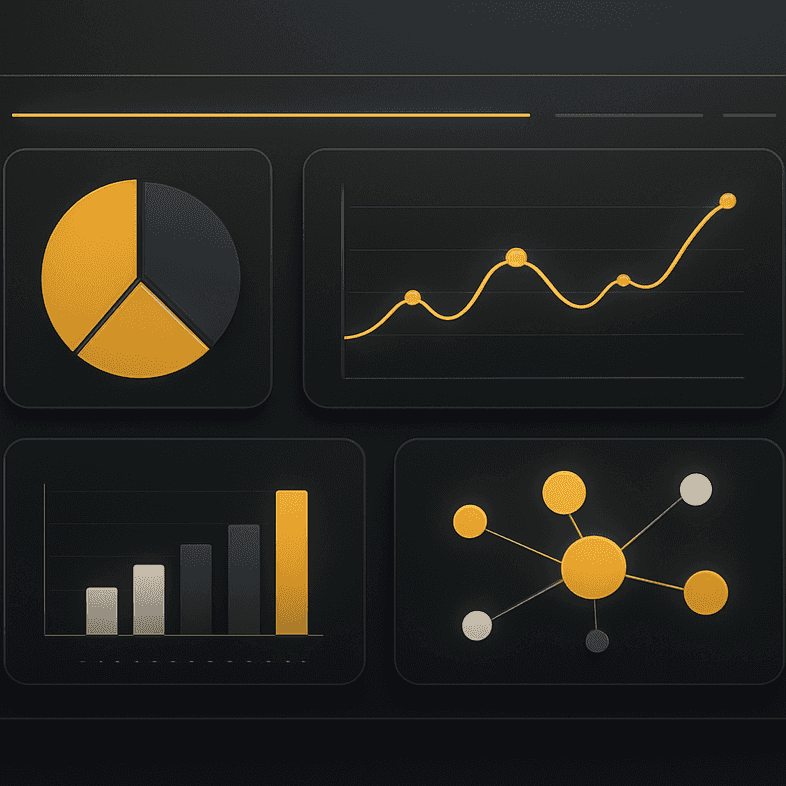
What Is Digital Marketing Analytics?
Digital marketing analytics is the practice of collecting, measuring, and interpreting data from your online marketing activities to understand performance and make better decisions. It transforms raw numbers from websites, ads, email, and social platforms into meaningful insights that reveal what is working, what is not, and where to focus your efforts. In a world where every click can be tracked, analytics is the foundation of modern, accountable marketing.
At its core, analytics answers critical questions: Where are your customers coming from? Which campaigns drive revenue? What content engages your audience? By connecting data to outcomes, marketers move from guessing to knowing, allowing them to invest budget where it produces the greatest return.
How AAMAX.CO Can Help
Turning data into growth requires both the right tools and the expertise to interpret them, which is where AAMAX.CO excels. As a full-service digital marketing company offering web development, digital marketing, and SEO services worldwide, their team sets up proper tracking, builds clear dashboards, and translates complex analytics into actionable strategies. They help businesses understand their numbers and use them to refine campaigns, improve digital marketing performance, and maximize return on every dollar spent.
Why Analytics Is Essential
Without analytics, marketing is a guessing game. You might spend money on campaigns that look successful on the surface but fail to generate real business value. Analytics removes this uncertainty by revealing the true impact of every channel and tactic.
This data-driven approach enables continuous improvement. By understanding which efforts deliver results, you can double down on winners and cut waste. Analytics also makes marketing accountable, allowing teams to demonstrate clear returns and justify investment. In competitive markets, the businesses that measure and adapt fastest are the ones that win.
Key Metrics to Track
Effective analytics focuses on metrics that connect to business goals rather than vanity numbers. Traffic volume matters, but so does traffic quality, measured through engagement, bounce rate, and time on site. Conversion rate reveals how well your site turns visitors into customers, while cost per acquisition shows how efficiently you are spending.
Other important metrics include return on ad spend, customer lifetime value, and channel-specific performance. For organic efforts, tracking keyword rankings and visibility supports your SEO services strategy. For paid campaigns, metrics like click-through rate and quality score guide optimization. The right metrics depend on your objectives, so always tie measurement to what truly matters for your business.
Common Tools for Digital Marketing Analytics
A range of tools makes analytics accessible to businesses of all sizes. Web analytics platforms track visitor behavior, traffic sources, and conversions on your site. Advertising platforms provide detailed reporting on campaign performance, while social media tools measure engagement and reach.
Beyond these, marketers use heatmaps to visualize user behavior, tag managers to streamline tracking, and dashboards to consolidate data from multiple sources. The goal is not to collect data for its own sake, but to bring information together into a clear picture that supports decision-making. Choosing the right combination of tools depends on your channels and complexity.
Turning Data Into Action
Collecting data is only the first step; the real value comes from interpretation and action. Skilled analysts look beyond surface numbers to understand the story behind them. They identify patterns, test hypotheses, and translate insights into concrete improvements.
For example, analytics might reveal that visitors from social media marketing engage deeply but rarely convert, suggesting a need to refine your offer or landing experience. Or data might show that a particular page drives most of your conversions, indicating an opportunity to send more traffic there. The best marketers use analytics as a continuous feedback loop, constantly refining their approach based on evidence.
Building a Data-Driven Culture
To get the most from analytics, businesses should embrace a culture where decisions are guided by data rather than opinion. This means setting clear goals, establishing reliable tracking, and reviewing performance regularly. It also means being willing to test, learn, and adapt.
Privacy and accuracy are increasingly important as well. With evolving regulations and changes to tracking technology, businesses must collect data responsibly and ensure their measurements remain reliable. Ultimately, digital marketing analytics empowers organizations to spend smarter, grow faster, and build stronger relationships with their customers. When data becomes the foundation of your strategy, every marketing decision becomes more confident and more effective.
From Reporting to Predictive Insights
Digital marketing analytics has evolved well beyond simple reporting on what already happened. Today, advanced analytics increasingly focuses on prediction and forecasting, helping businesses anticipate future trends and customer behavior. By analyzing historical patterns, marketers can estimate which leads are most likely to convert, which customers may churn, and how campaigns are likely to perform before they fully play out. This predictive capability transforms analytics from a rear-view mirror into a forward-looking strategic tool. Businesses can allocate budgets more intelligently, personalize experiences proactively, and identify opportunities before competitors do. As artificial intelligence and machine learning become more accessible, even small businesses can harness predictive insights that were once available only to large enterprises, leveling the playing field and unlocking smarter, faster decision-making across every channel.
Want to publish a guest post on aamconsultants.org?
Place an order for a guest post or link insertion today.