
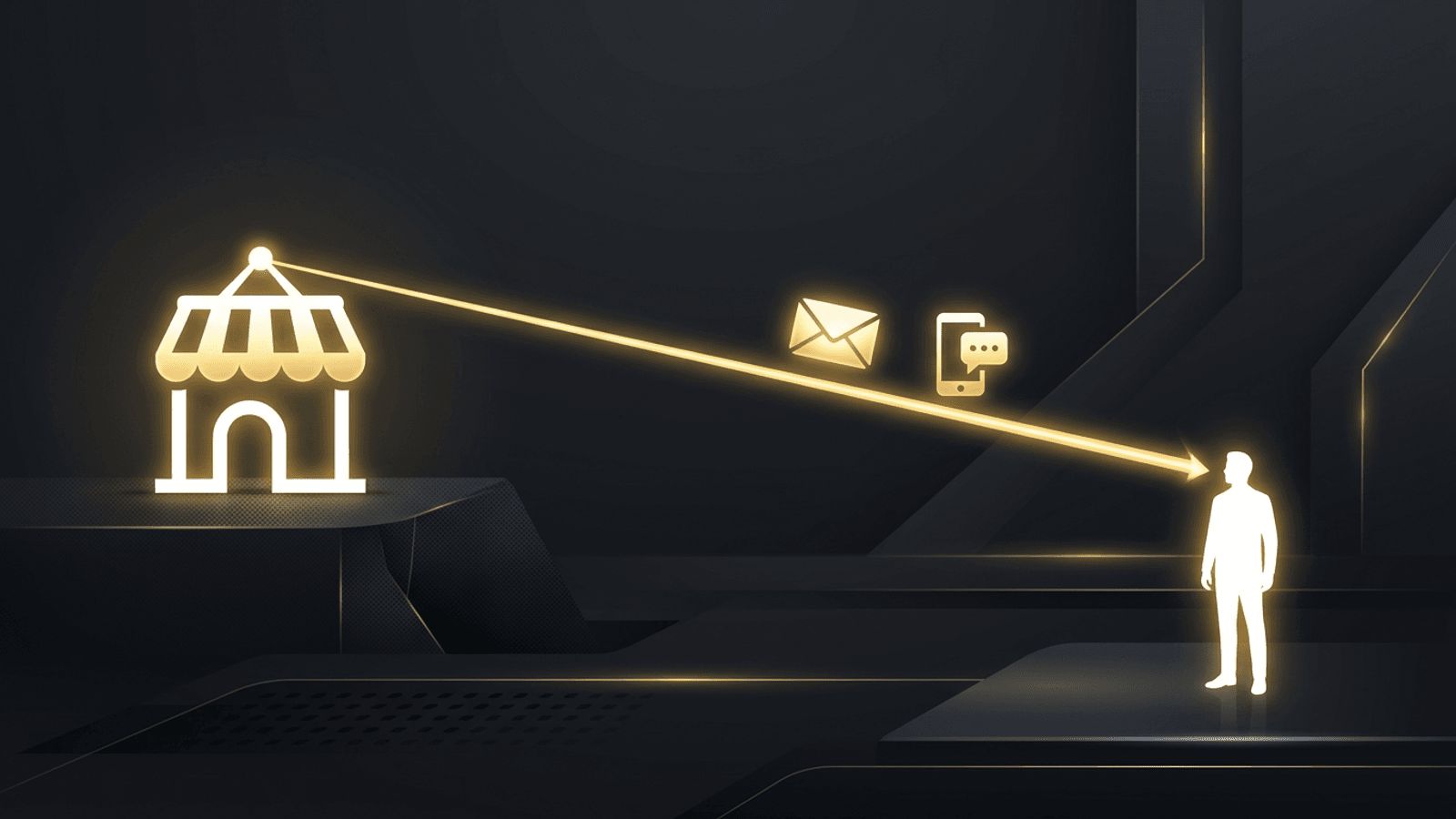
Businesses have two primary ways to reach customers: through intermediaries such as retailers and distributors, or directly. In recent years, direct approaches have grown significantly, driven by digital technology that makes it easier than ever to connect with customers one-on-one. A direct marketing channel allows companies to communicate with and sell to customers without relying on middlemen. In this article, we will explain what a direct marketing channel is, explore the most common types, discuss its advantages and challenges, and share best practices for building effective direct marketing campaigns.
How AAMAX.CO Strengthens Direct-to-Customer Marketing
Selling directly to customers requires a strong online presence and campaigns that reach the right people. AAMAX.CO is a full service digital marketing company offering Web Development, Digital Marketing, and SEO Services worldwide. They help businesses build conversion-focused websites, run targeted advertising, and develop email and social strategies that foster direct customer relationships. Their team ensures that every direct touchpoint is measurable, allowing businesses to refine their approach and improve return on investment. For companies looking to reduce reliance on intermediaries and own their customer relationships, they provide the expertise to build effective direct channels.
What Is a Direct Marketing Channel?
A direct marketing channel is a distribution and communication path in which a company markets and sells its products or services directly to end consumers without intermediaries such as wholesalers, distributors, or retailers. In this model, the business controls every aspect of the customer interaction, from promotion to sale to after-sales service.
Direct marketing also refers to promotional communication delivered directly to individual consumers, often with a specific call to action and measurable response. Examples include personalized emails, direct mail, telemarketing, and SMS campaigns.
Types of Direct Marketing Channels
E-Commerce Websites
A company's own online store is one of the most powerful direct channels. Direct-to-consumer brands use their websites to showcase products, tell their stories, and process sales. Driving traffic to these sites requires strong SEO services and paid campaigns.
Email Marketing
Email enables personalized, direct communication with customers who have opted in. Newsletters, promotional offers, abandoned cart reminders, and loyalty updates are common examples. Email consistently delivers one of the highest returns on investment of any marketing channel.
Direct Mail
Physical mail, including postcards, catalogs, and letters, remains effective, particularly for local businesses and older demographics. Personalized direct mail can stand out in a less crowded mailbox.
Telemarketing and Phone Sales
Phone outreach allows for real-time conversation and personalized selling. While it requires careful compliance with regulations, it can be effective for high-value products and B2B services.
SMS and Mobile Messaging
Text messages and messaging apps offer immediate, high-open-rate communication. They are ideal for time-sensitive offers, appointment reminders, and order updates.
Social Media Direct Engagement
Social platforms enable direct interactions through messaging, comments, and social commerce features that allow users to purchase without leaving the app. Effective social media marketing combines community engagement with direct sales opportunities.
Direct Response Advertising
Ads designed to prompt an immediate response, such as clicking, calling, or buying, are a form of direct marketing. Search advertising, including Google ads, connects businesses directly with customers who are actively searching for their products.
Company-Owned Retail Stores and Sales Teams
Brands that operate their own physical stores or employ direct sales representatives also use direct channels, maintaining full control over the customer experience.
Advantages of Direct Marketing Channels
Higher profit margins: Without intermediaries taking a cut, businesses retain more revenue from each sale.
Customer data ownership: Direct channels provide valuable first-party data about customer preferences and behavior, enabling better personalization and product development.
Control over brand experience: Businesses manage messaging, pricing, presentation, and service, ensuring consistency.
Stronger relationships: Direct interactions build loyalty and trust, encouraging repeat purchases.
Measurability: Direct campaigns are typically easy to track, allowing businesses to measure response rates and return on investment precisely.
Faster feedback: Direct communication enables businesses to gather customer feedback quickly and adapt accordingly.
Challenges of Direct Marketing Channels
Customer acquisition costs: Businesses must invest in marketing to attract customers without relying on a retailer's existing foot traffic.
Operational responsibilities: Companies handle logistics, fulfillment, customer service, and returns themselves.
Regulatory compliance: Email, SMS, and phone marketing are subject to regulations such as GDPR, CAN-SPAM, and TCPA, requiring careful management of consent and privacy.
Scaling limitations: Reaching broad markets without intermediaries can require significant resources and time.
Best Practices for Direct Marketing Success
Know your audience. Use data and research to understand customer needs and preferences, then segment your audience for targeted messaging.
Personalize communication. Tailor messages based on customer behavior, purchase history, and interests to increase relevance and engagement.
Include clear calls to action. Every direct marketing message should tell recipients exactly what to do next.
Test and optimize. Experiment with subject lines, offers, timing, and creative elements to improve results continuously.
Respect privacy and consent. Build permission-based lists and provide easy opt-out options to maintain trust and comply with regulations.
Integrate channels. Combine email, SMS, social, and paid ads to create a cohesive customer experience. A unified digital marketing strategy ensures every channel reinforces the others.
Conclusion
A direct marketing channel allows businesses to promote and sell directly to customers without intermediaries. Through e-commerce websites, email, direct mail, phone, SMS, social media, and direct response advertising, companies can build stronger relationships, retain more profit, and gain valuable customer insights. While direct channels require investment in marketing and operations, the control and data they provide make them a powerful foundation for long-term growth.
Want to publish a guest post on aamconsultants.org?
Place an order for a guest post or link insertion today.