
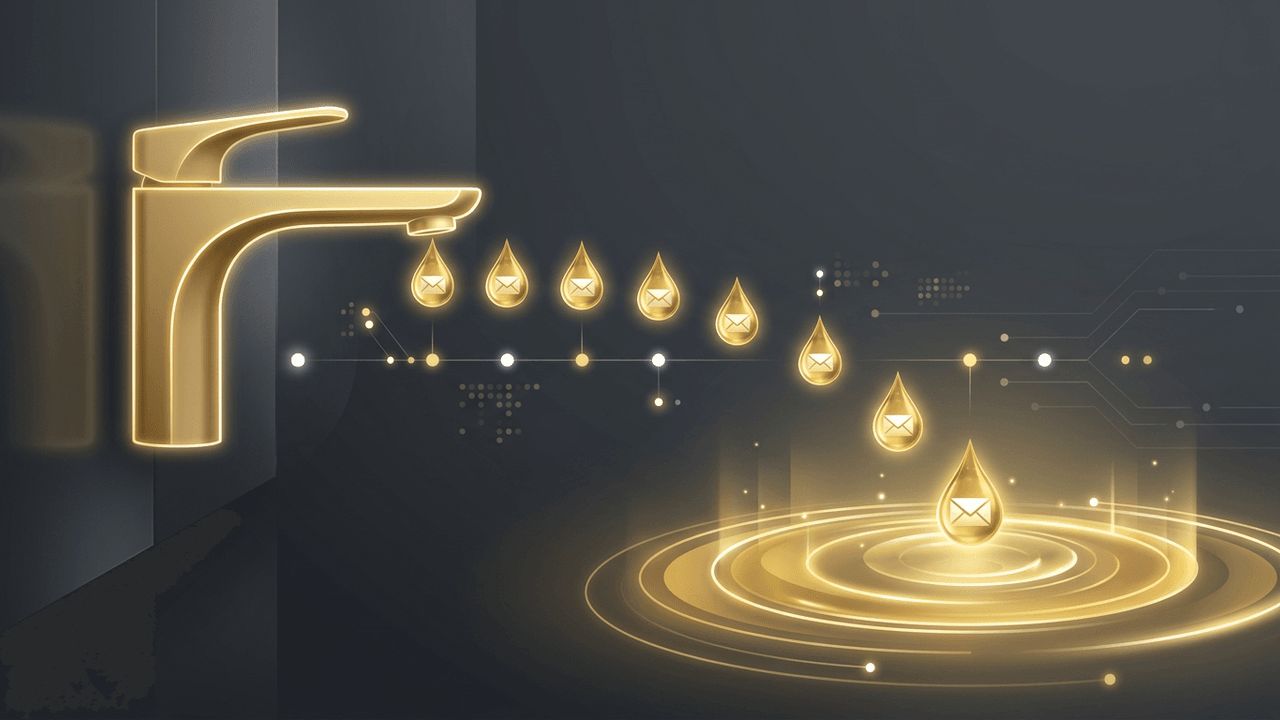
Imagine nurturing every new lead, onboarding every customer and re-engaging every inactive subscriber with perfectly timed messages, all without manually sending a single email. That is the power of a drip marketing campaign. Drip campaigns deliver a series of automated emails over time, gradually guiding recipients toward a goal. This guide explains what a drip marketing campaign is, how it works, the most effective types and how to build one for your business.
How AAMAX.CO Builds Drip Campaigns That Nurture and Convert
Effective drip campaigns require thoughtful journey mapping, compelling content and proper automation setup. AAMAX.CO is a full-service digital marketing company offering web development, digital marketing and SEO services worldwide. Their team designs drip sequences that educate prospects, onboard customers and recover lost sales, then integrates them with websites and CRMs for seamless automation. Through their digital marketing consultancy, they help businesses build nurturing systems that work around the clock.
What Is a Drip Marketing Campaign?
A drip marketing campaign is a set of pre-written emails sent automatically to subscribers on a predetermined schedule or in response to specific actions. The name comes from the idea of "dripping" information slowly over time rather than delivering everything at once. Each email builds on the previous one, moving recipients closer to a purchase, signup or other desired outcome.
How Drip Campaigns Work
Drip campaigns are powered by two main elements:
- Triggers: Events that start the campaign, such as subscribing to a newsletter, downloading a resource, making a purchase or abandoning a cart.
- Rules and timing: Conditions that determine which email is sent next and when, such as waiting three days or sending only if the previous email was opened.
Once set up, the campaign runs automatically for every subscriber who meets the trigger criteria.
Benefits of Drip Marketing
- Consistent nurturing: Every lead receives timely follow-up.
- Time savings: Automation reduces manual work.
- Higher engagement: Relevant, timely messages earn more opens and clicks.
- Increased conversions: Gradual education builds trust and drives action.
- Scalability: Campaigns handle any number of subscribers.
Types of Drip Marketing Campaigns
Welcome Drip
Introduces new subscribers to your brand, delivers promised resources and sets expectations for future emails.
Lead Nurturing Drip
Educates prospects with helpful content, case studies and product information, gradually preparing them for a sales conversation or purchase.
Onboarding Drip
Helps new customers or users get started with your product, highlighting key features and best practices to reduce churn.
Abandoned Cart Drip
Reminds shoppers about items left in their cart, often adding social proof or incentives in later emails.
Re-Engagement Drip
Targets inactive subscribers with special offers or updates to rekindle interest.
Post-Purchase Drip
Thanks customers, requests reviews, offers usage tips and recommends complementary products.
Educational Course Drip
Delivers a mini-course over several days or weeks, establishing authority and building trust.
How to Create a Drip Marketing Campaign
Step 1: Define Your Goal
Decide what you want the campaign to achieve, such as converting leads, onboarding users or recovering sales.
Step 2: Identify Your Audience and Trigger
Determine who will enter the campaign and what action or event will start it.
Step 3: Map the Sequence
Plan the number of emails, their order, their purpose and the timing between them. Most drip campaigns include three to seven emails, though longer sequences can work for complex sales.
Step 4: Write Valuable Content
Each email should deliver clear value and include a single call to action. Balance educational content with promotional messages to maintain trust.
Step 5: Set Up Automation
Use your email platform's automation builder to create the workflow, configure delays and add conditional logic based on subscriber behavior.
Step 6: Test and Launch
Preview every email, test links and personalization and run the workflow with internal test contacts before activating it.
Step 7: Measure and Optimize
Track open rates, click-through rates, conversions and unsubscribes for each email. Identify drop-off points and refine content, timing or offers accordingly.
Drip Campaign Best Practices
- Personalize content based on subscriber data and behavior.
- Use branching logic to adapt the sequence to engagement.
- Exit subscribers from the campaign once they convert.
- Avoid sending too frequently; give recipients time to act.
- Review and update content regularly to keep it current.
Integrating Drip Campaigns With Other Channels
Drip campaigns are even more effective when coordinated with other marketing activities. Pair them with retargeting ads, align messaging with social media marketing and connect email behavior with your CRM so sales teams can follow up at the right moment.
Conclusion
A drip marketing campaign is an automated series of emails that nurtures subscribers over time based on schedules and behavior. Whether you are welcoming new subscribers, nurturing leads, onboarding customers or recovering abandoned carts, drip campaigns deliver the right message at the right time. Define a clear goal, map a thoughtful sequence, provide genuine value and optimize continuously to turn subscribers into loyal customers.
Want to publish a guest post on aamconsultants.org?
Place an order for a guest post or link insertion today.