
Email marketing is one of the oldest forms of digital marketing, yet it remains one of the most effective. From small local businesses to global brands, organizations use email to share news, promote products, educate audiences, and build lasting relationships. If you are new to the concept or want to understand it more deeply, this guide explains what email marketing is, how it works step by step, and why it continues to play a central role in modern marketing strategies.
How AAMAX.CO Helps Businesses Succeed With Email Marketing
Launching and managing an email program involves strategy, technology, design, and analysis. AAMAX.CO is a full-service digital marketing company offering web development, digital marketing, and SEO services worldwide. They help businesses set up email platforms, grow subscriber lists, design campaigns, and measure performance. Their digital marketing services ensure email works together with search, social, and paid channels to deliver meaningful business growth.
What Is Email Marketing?
Email marketing is the practice of sending commercial or informational emails to a group of people who have agreed to receive them. These messages may promote products, share content, announce events, or nurture relationships. Because subscribers opt in, email marketing is a permission-based channel that allows businesses to communicate directly with interested audiences.
How Email Marketing Works
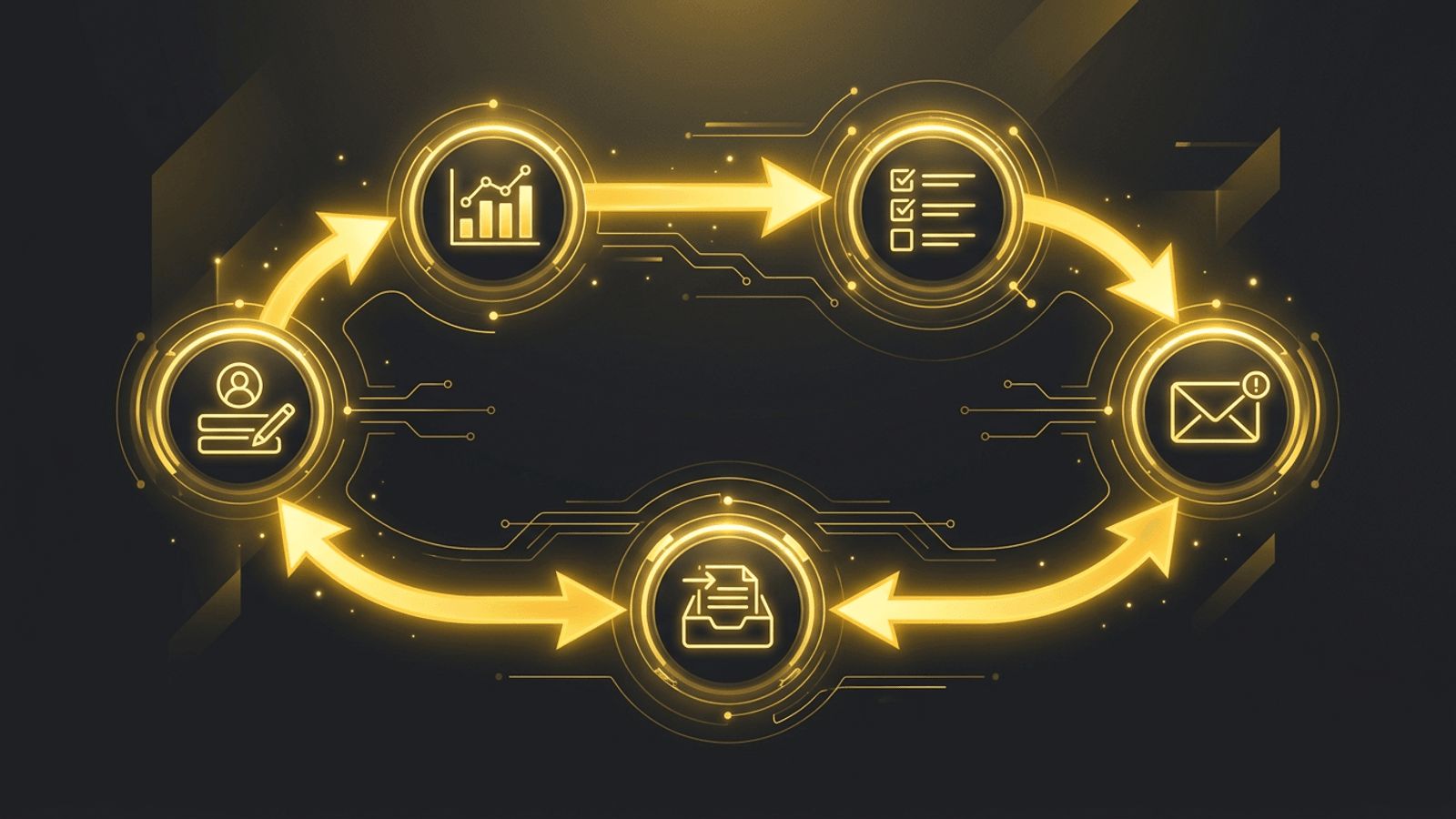
At its core, email marketing follows a cycle of building a list, sending relevant messages, and measuring results. Here is how each stage works.
Step 1: Building an Email List
Everything begins with subscribers. Businesses collect email addresses through website signup forms, pop-ups, checkout pages, events, and lead magnets such as free guides, discounts, or webinars. Subscribers must give permission to receive emails, which is both a legal requirement in many regions and a foundation for engagement.
Step 2: Choosing an Email Marketing Platform
Email marketing platforms, also called email service providers, store subscriber lists, provide templates and editors, send emails at scale, and track performance. They also handle unsubscribe management and offer tools for segmentation and automation. Choosing a platform that suits your needs is an essential early step.
Step 3: Segmenting the Audience
Instead of sending identical emails to everyone, marketers divide subscribers into segments based on characteristics like interests, behavior, location, or purchase history. Segmentation ensures that each group receives relevant content, which improves engagement and results.
Step 4: Creating Email Content
Marketers design emails with compelling subject lines, engaging copy, attractive visuals, and clear calls to action. Common types of emails include:
- Newsletters: Regular updates sharing news, content, and insights.
- Promotional emails: Announcements of sales, discounts, or new products.
- Welcome emails: Introductions sent to new subscribers.
- Transactional emails: Order confirmations, receipts, and shipping updates.
- Behavioral emails: Triggered messages such as abandoned cart reminders.
- Re-engagement emails: Messages designed to win back inactive subscribers.
Step 5: Automating Emails
Automation allows emails to be sent automatically based on triggers like signups, purchases, or website activity. Automated workflows deliver timely, personalized messages without manual effort, helping businesses nurture leads and drive sales around the clock.
Step 6: Sending and Delivering
When an email is sent, the platform delivers it to recipients' mailbox providers. These providers evaluate factors such as sender reputation, authentication, and engagement history to decide whether the email lands in the inbox, a promotions tab, or the spam folder. Following best practices helps ensure strong deliverability.
Step 7: Measuring Performance
After sending, marketers analyze metrics such as click-through rate, conversion rate, revenue, bounce rate, and unsubscribe rate. These insights reveal what worked and what needs improvement. A/B testing helps refine subject lines, content, and design over time.
Benefits of Email Marketing
Email marketing offers numerous advantages. It provides direct access to an owned audience, delivers strong return on investment, enables deep personalization, supports automation, and offers detailed analytics. It also works across every stage of the customer journey, from first introduction to long-term loyalty.
Legal and Ethical Considerations
Businesses must follow regulations that govern commercial email, such as including a clear unsubscribe option and accurate sender information. Many regions require explicit consent before sending marketing emails. Respecting these rules protects your reputation and builds trust with subscribers.
Tips for Getting Started
Start small with a welcome email and a regular newsletter. Focus on delivering value rather than constant promotion. Use mobile-friendly templates, keep messages focused, and include one clear call to action. Track results and gradually expand into segmentation and automation as your list grows.
Common Beginner Mistakes
New email marketers often make a few predictable errors. They send too infrequently and then overwhelm subscribers with a burst of promotions. They rely on a single generic list instead of basic segments. They skip testing on mobile devices, or forget to authenticate their sending domain, which can hurt deliverability. Avoiding these mistakes from the start gives your program a strong foundation and helps your emails reach and resonate with the right people.
Conclusion
Email marketing is the practice of sending targeted, permission-based messages to subscribers to build relationships and encourage action. It works through a cycle of building a list, segmenting audiences, creating content, automating communications, delivering emails, and measuring results. With its affordability, personalization, and measurable impact, email marketing remains an essential tool for businesses seeking sustainable growth.
Want to publish a guest post on aamconsultants.org?
Place an order for a guest post or link insertion today.