
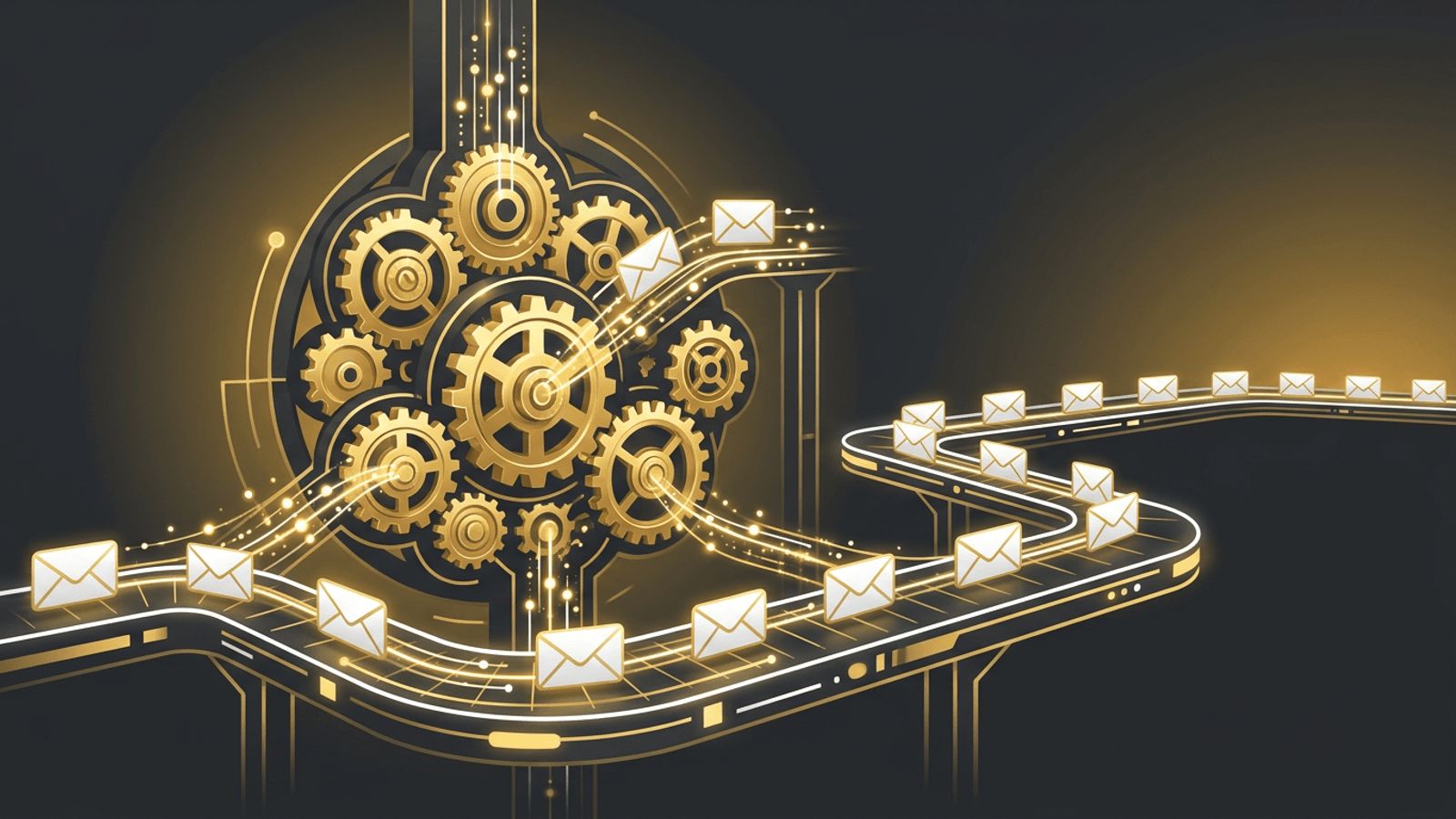
Imagine a marketing assistant who greets every new subscriber within seconds, reminds shoppers about items left in their carts, celebrates customer birthdays, and follows up with leads exactly when they show interest, all without ever taking a day off. That is essentially what email marketing automation does. It uses software to send targeted, timely emails based on predefined triggers, schedules, and subscriber behavior. For businesses of every size, automation is one of the most effective ways to scale personalized communication.
How AAMAX.CO Helps Businesses Build Automated Email Systems
Designing automation that feels personal rather than robotic requires a clear strategy and strong technical setup. AAMAX.CO is a full-service digital marketing company providing web development, digital marketing, and SEO services worldwide. They help businesses map customer journeys, integrate email platforms with websites and CRMs, and build workflows that nurture leads and drive repeat sales. Their broader digital marketing expertise ensures automated emails align with paid, organic, and social campaigns for a consistent customer experience.
Defining Email Marketing Automation
Email marketing automation is the process of using software to send emails automatically when specific conditions are met. Instead of manually writing and sending each message, marketers create workflows, sometimes called flows or sequences, that run on their own. A workflow begins with a trigger, such as a new signup, a purchase, or a period of inactivity. It then follows a series of steps, which can include waiting periods, conditional branches, and multiple emails tailored to the subscriber's actions.
How Automation Works Behind the Scenes
Automation platforms collect data from your website, online store, CRM, and email interactions. When a subscriber's data matches a trigger, the platform enrolls them in the relevant workflow. For example, when someone signs up through a website form, the platform adds them to a welcome series. If they click a link about a specific product category, the workflow might branch to send related recommendations. If they make a purchase, they exit the nurture sequence and enter a post-purchase flow. This logic ensures every subscriber receives messages relevant to their behavior.
Essential Automated Workflows Every Business Should Have
- Welcome series: Introduces new subscribers to your brand, sets expectations, and often delivers a promised incentive.
- Abandoned cart emails: Reminds shoppers about items they left behind, frequently recovering a meaningful share of lost sales.
- Browse abandonment: Follows up when someone views products without adding them to the cart.
- Post-purchase sequence: Confirms orders, offers usage tips, requests reviews, and suggests complementary products.
- Re-engagement campaign: Wins back inactive subscribers or removes them to protect deliverability.
- Lead nurturing: Educates B2B prospects over time until they are ready to speak with sales.
- Milestone emails: Celebrates birthdays, anniversaries, and loyalty achievements.
Benefits of Email Marketing Automation
The most obvious benefit is time savings. Once a workflow is built, it runs indefinitely, freeing your team to focus on strategy and creative work. Automation also improves relevance, because messages respond to real behavior rather than arbitrary schedules. That relevance typically produces higher open rates, click-through rates, and conversion rates than broadcast campaigns. Automation also creates consistency, ensuring every customer receives a thoughtful experience regardless of how busy your team is. Finally, automated flows generate revenue around the clock, often accounting for a significant portion of total email revenue despite representing a small share of total sends.
Personalization Through Automation
Modern automation goes far beyond inserting a first name. Dynamic content blocks can display different products, offers, or images depending on subscriber attributes. Conditional logic can change the path of a workflow based on location, purchase history, or engagement level. Predictive features in some platforms estimate when a customer is likely to buy again or which product they are most likely to want. This level of personalization makes subscribers feel understood, which builds trust and loyalty.
Choosing an Automation Platform
When selecting a platform, consider ease of use, integration with your existing tools, segmentation capabilities, reporting depth, and pricing as your list grows. E-commerce businesses should prioritize native integrations with their store platform to capture purchase and browsing data. B2B companies may need tight CRM integration and lead scoring. Look for visual workflow builders that make it easy to design, test, and adjust sequences without technical expertise.
Best Practices for Getting Started
Start with the workflows that offer the highest impact, typically the welcome series and abandoned cart flow. Map the customer journey before building anything, identifying the key moments where a well-timed email would help. Write each email with a single, clear purpose. Use waiting periods thoughtfully so subscribers are not overwhelmed. Test subject lines, timing, and content within your flows, and review performance regularly. Automation is not a set-and-forget tactic; the best programs are refined continuously based on data.
Mistakes to Avoid
Common pitfalls include building overly complex workflows that are hard to maintain, failing to exclude recent purchasers from promotional sequences, sending too many automated emails at once when subscribers qualify for multiple flows, and neglecting to update content as products and offers change. Establishing frequency caps and clear exit conditions helps prevent these problems.
Conclusion
Email marketing automation allows businesses to deliver timely, personalized messages at scale without adding manual workload. By building essential workflows like welcome series, cart recovery, and post-purchase sequences, you create a system that nurtures relationships and generates revenue continuously. Start simple, measure results, and expand your automation as you learn more about your customers. Done well, automation becomes the backbone of a modern, efficient email marketing strategy.
Want to publish a guest post on aamconsultants.org?
Place an order for a guest post or link insertion today.