
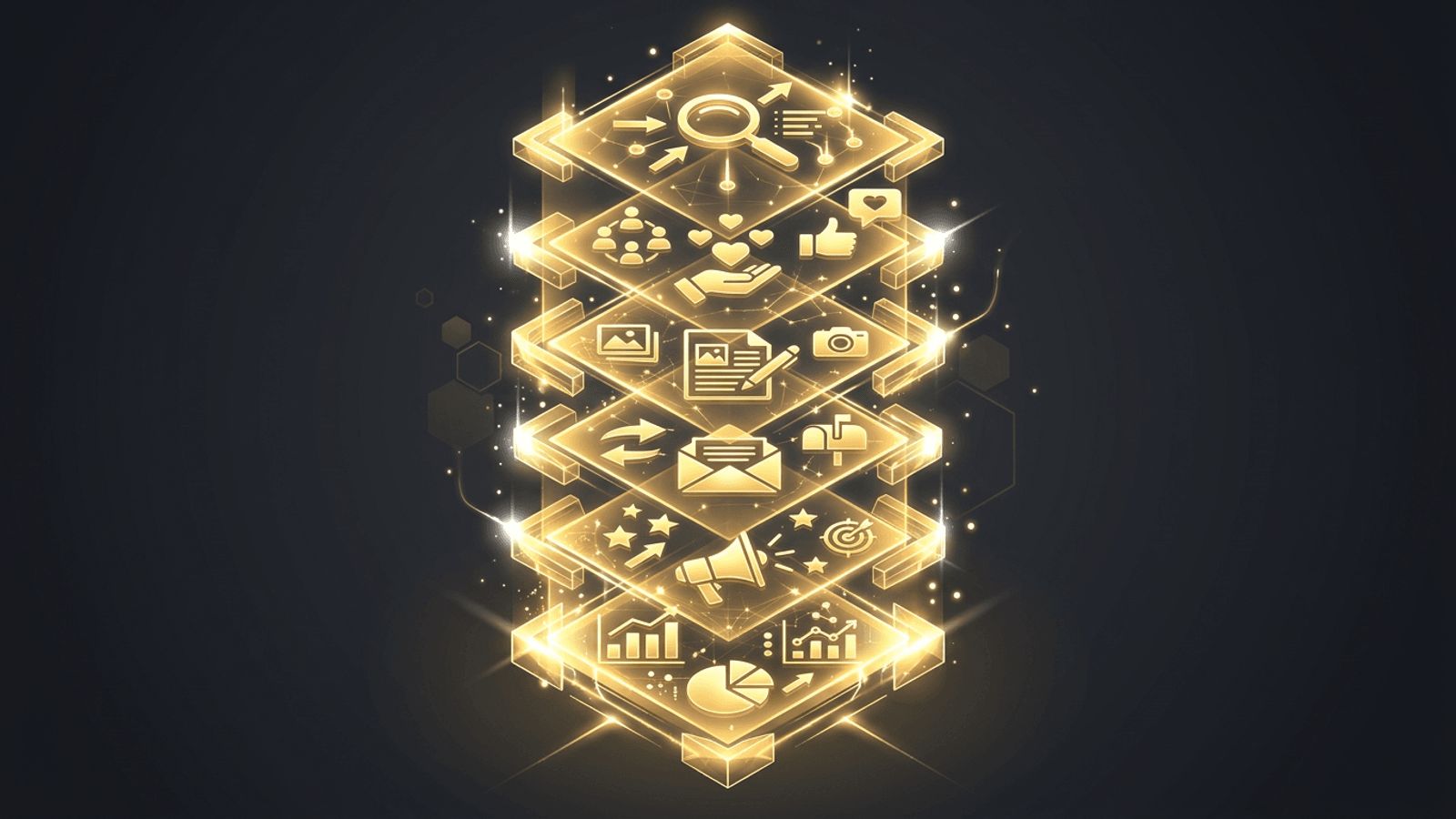
When businesses decide to invest in digital marketing, one of the first questions they ask is what it actually involves. Digital marketing is not a single tactic or platform. It is an ecosystem of strategies, channels, and tools that work together to help businesses attract attention, engage audiences, and convert interest into revenue. Knowing what is included in digital marketing helps companies plan budgets, evaluate agency proposals, and build strategies that cover every stage of the customer journey. In this article, we will walk through the essential components included in digital marketing, explain the role each one plays, and show how to combine them into an integrated plan.
How AAMAX.CO Delivers Every Component of Digital Marketing
Covering the full scope of digital marketing requires a team with diverse skills. AAMAX.CO is a full service digital marketing company offering Web Development, Digital Marketing, and SEO Services worldwide. They provide everything from strategy and website development to search optimization, paid advertising, social media, and analytics. Because they manage these components together, their clients benefit from consistent messaging, shared data, and campaigns that reinforce one another. For businesses seeking a comprehensive partner rather than piecemeal services, they offer a complete solution designed to drive measurable growth.
1. Digital Marketing Strategy
Every effective digital marketing program begins with strategy. This includes defining business goals, identifying target audiences, analyzing competitors, mapping customer journeys, selecting channels, setting budgets, and establishing key performance indicators. Strategy ensures that every tactic serves a purpose. Many businesses begin with a digital marketing consultancy engagement to build a clear roadmap before investing in execution.
2. Website Design and Development
A website is the central hub of digital marketing. It is where most campaigns send traffic and where conversions happen. Website services include user experience design, responsive development, page speed optimization, accessibility, security, and integration with analytics and marketing tools. A professional website builds credibility and supports every other channel.
3. Search Engine Optimization (SEO)
SEO improves visibility in organic search results. It includes keyword research, on-page optimization, technical SEO, content optimization, link building, and local SEO. Because organic traffic is sustainable and high-intent, SEO services are often one of the most valuable long-term investments in digital marketing.
4. Generative Engine Optimization (GEO)
As AI assistants and AI-generated search overviews reshape how people find information, businesses must ensure their content is understood and referenced by these systems. Generative engine optimization focuses on clear structure, authoritative content, and brand consistency so AI tools cite and recommend a business accurately.
5. Pay-Per-Click Advertising (PPC)
PPC includes search ads, display ads, shopping ads, video ads, and remarketing campaigns. Advertisers pay when users click, making it a measurable and scalable channel. Expertly managed Google ads campaigns deliver immediate visibility and can be precisely targeted by keywords, location, device, and audience.
6. Social Media Marketing
Social media marketing includes creating and publishing organic content, managing communities, running paid social campaigns, collaborating with influencers, and monitoring brand mentions. Platforms such as Facebook, Instagram, LinkedIn, TikTok, YouTube, and X each serve different audiences and purposes. Effective social media marketing builds awareness, engagement, and loyalty.
7. Content Marketing
Content marketing includes blog posts, articles, videos, infographics, podcasts, ebooks, whitepapers, case studies, and webinars. Valuable content attracts audiences, educates prospects, supports SEO, and positions brands as trusted experts. A consistent content calendar ensures steady output aligned with audience needs.
8. Email Marketing and Automation
Email marketing includes newsletters, promotional campaigns, welcome series, lead nurturing sequences, abandoned cart reminders, and re-engagement campaigns. Marketing automation tools allow these messages to be triggered by user behavior and personalized at scale, making email one of the most cost-effective channels.
9. Video Marketing
Video is one of the most engaging content formats. Digital marketing often includes explainer videos, product demos, testimonials, short-form social clips, live streams, and YouTube channel management. Video improves engagement, conversion rates, and search visibility.
10. Conversion Rate Optimization (CRO)
CRO focuses on increasing the percentage of visitors who take desired actions. It includes A/B testing, landing page optimization, form improvements, user behavior analysis, and checkout optimization. Even small improvements in conversion rates can significantly boost revenue without increasing traffic.
11. Online Reputation Management
Reputation management includes monitoring reviews, responding to customer feedback, encouraging satisfied customers to leave reviews, and addressing negative content. Positive online reputation builds trust and influences purchasing decisions.
12. Affiliate and Influencer Marketing
Affiliate marketing rewards partners for driving sales, while influencer marketing leverages trusted creators to reach targeted audiences. Both extend reach and credibility through third-party voices.
13. Mobile Marketing
Mobile marketing includes mobile-optimized websites, SMS campaigns, push notifications, in-app advertising, and location-based targeting. With most online activity occurring on mobile devices, a mobile-first approach is essential.
14. Analytics, Tracking, and Reporting
Analytics ties all digital marketing components together. It includes setting up tracking tools, defining conversion events, building dashboards, analyzing performance, and generating reports. Data-driven insights enable businesses to understand what works and allocate budgets effectively.
Building an Integrated Digital Marketing Plan
While each component offers value on its own, the greatest results come from integration. SEO and content work together to attract organic traffic. PPC and social ads amplify content and capture demand. Email nurtures leads generated from all channels. CRO ensures that traffic converts. Analytics reveals how each channel contributes to overall goals.
To build an integrated plan, start with your business objectives and customer journey. Choose the components that align with your goals and resources. Ensure consistent messaging and branding across all channels. Set clear KPIs for each component and review performance regularly. As results come in, reallocate budget toward the highest-performing activities and continue testing new opportunities.
Conclusion
Digital marketing includes strategy, website development, SEO, GEO, PPC advertising, social media, content, email, video, conversion optimization, reputation management, affiliate and influencer marketing, mobile marketing, and analytics. Each component plays a distinct role in attracting, engaging, and converting customers. When combined into an integrated plan aligned with clear business goals, these elements create a powerful system for sustainable online growth.
Want to publish a guest post on aamconsultants.org?
Place an order for a guest post or link insertion today.