
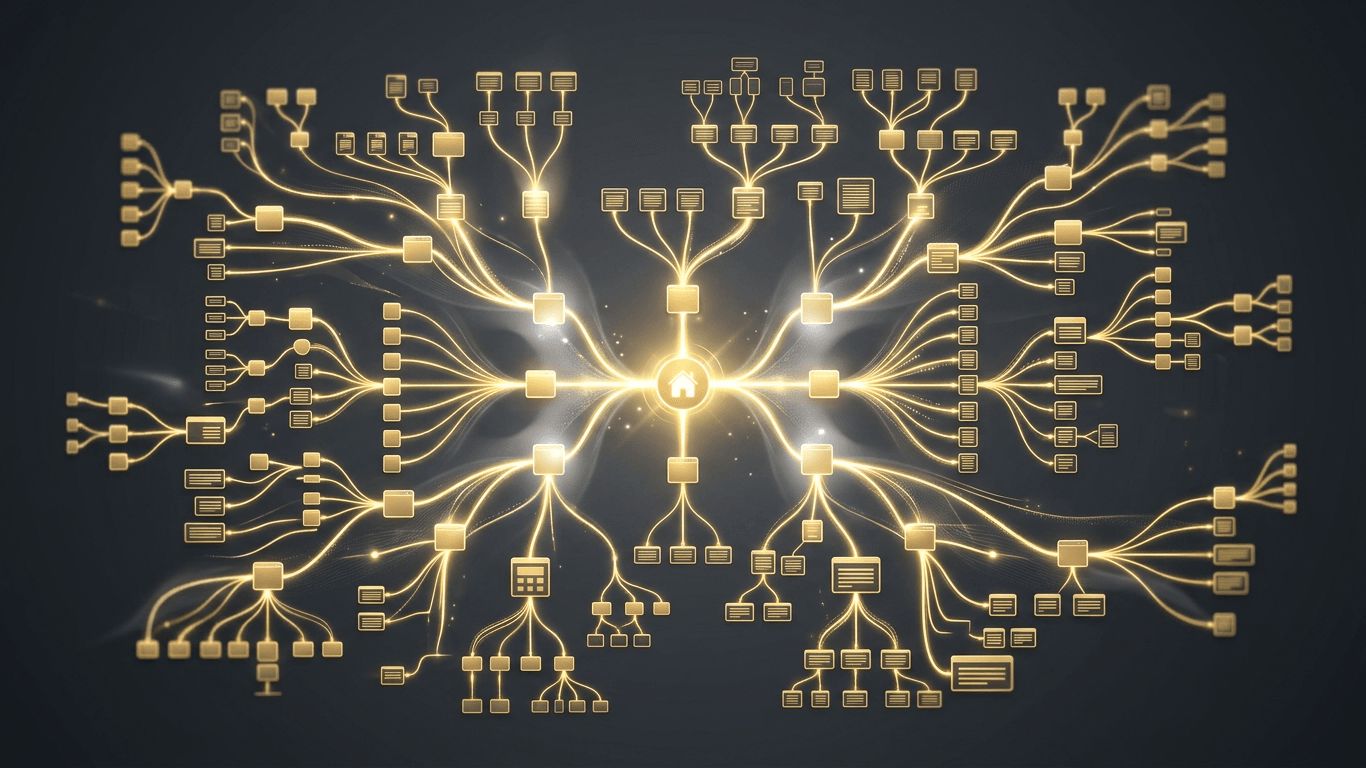
If you have ever clicked a link in a blog post that took you to another article on the same website, you have used an internal link. Internal links may seem simple, but they play a foundational role in search engine optimization. They shape how search engines discover your pages, how they interpret relationships between topics, and how ranking authority flows across your site. Understanding what internal links are and how they work is essential for anyone who wants a website that performs well in search.
How AAMAX.CO Uses Internal Links to Strengthen SEO
AAMAX.CO is a full-service digital marketing company offering web development, digital marketing, and SEO services worldwide. Their team treats internal linking as a core part of site architecture, not an afterthought. Through comprehensive SEO services, they audit link structures, uncover orphaned content, and build logical pathways that help search engines and users reach the most valuable pages, which often leads to measurable ranking improvements without new content.
The Definition of an Internal Link
An internal link is any hyperlink that points from one page on a domain to another page on the same domain. For example, a link from your homepage to your services page, or from a blog article to a related guide, is an internal link. By contrast, an external link points to a different website, and a backlink is a link from another website to yours. Each type plays a different role, but internal links are the ones you control completely.
Types of Internal Links
Internal links come in several forms. Navigational links appear in menus, headers, and footers and help users move between major sections. Contextual links sit within the body content and connect related ideas. Breadcrumb links show a page's position within the site hierarchy. Sidebar and related post links suggest additional reading. Each type contributes to site structure, though contextual links are often considered the most valuable for SEO because they carry strong topical relevance.
How Search Engines Use Internal Links
Search engine crawlers move through the web by following links. When Googlebot lands on your homepage, it follows internal links to discover other pages. Pages linked frequently from important pages tend to be crawled more often. Internal links also help search engines understand context. The anchor text and surrounding content tell Google what the linked page is about, reinforcing its relevance for certain keywords.
Internal Links and Link Equity
Link equity refers to the ranking value passed from one page to another through links. Your homepage and pages with strong backlinks usually hold the most equity. By linking from those pages to other important pages, you share that authority. This is why a strategic internal linking structure can lift rankings for pages that otherwise struggle to compete. It is one of the few ways to influence authority distribution entirely on your own terms.
Benefits for User Experience
Internal links are not just for search engines. They help visitors find additional information, answer follow-up questions, and navigate toward conversions. A reader learning about a topic may click to a deeper guide, then to a service page, then contact your business. This journey increases pages per session and time on site while guiding users naturally toward your goals. A good internal link feels like a helpful suggestion rather than a distraction.
What Makes a Good Internal Link
A strong internal link is relevant, descriptive, and useful. It connects pages that share a meaningful topical relationship. Its anchor text clearly indicates what the reader will find. It appears in a natural place within the content. And it points to a live, indexable page rather than a redirect or a broken URL. Following these principles ensures each link adds value for both humans and algorithms.
Common Internal Linking Mistakes
Many websites unintentionally weaken their SEO with poor internal linking. Common mistakes include leaving orphan pages with no internal links, using generic anchor text like click here, linking excessively to irrelevant pages, burying important pages deep in the site structure, and failing to update links after URLs change. Regular site audits can catch these issues before they affect rankings.
Internal Links and Topic Clusters
Modern SEO strategies often use topic clusters, where a central pillar page covers a broad subject and links to supporting pages that cover subtopics. Each supporting page links back to the pillar. This interconnected structure demonstrates topical depth and authority, helping search engines see your site as a trusted resource on that subject. Internal links are what make topic clusters work.
How Many Internal Links Should a Page Have
There is no fixed number. The right amount depends on the length and purpose of the page. A short article might need only a few internal links, while a comprehensive guide could naturally include many. Instead of targeting a number, focus on whether each link helps the reader. If a link is relevant and useful, include it. If it feels forced, leave it out.
Tools for Managing Internal Links
Several tools make internal linking easier. Google Search Console shows which pages have the most internal links. Website crawlers identify orphan pages, broken links, and redirect chains. Content management system plugins can suggest relevant internal links as you write. Combining these tools with a documented linking strategy keeps your structure healthy as your site grows alongside your digital marketing initiatives.
Internal Links in the Age of AI Search
As AI-driven search engines summarize and cite content, clear site structure becomes even more valuable. Well-organized internal links help these systems understand the relationships between your pages and recognize your site as comprehensive on a topic. Strong internal linking supports both traditional rankings and visibility in emerging generative search experiences.
Conclusion
Internal links are hyperlinks connecting pages within the same website, and they are a cornerstone of effective SEO. They help search engines crawl and understand your content, distribute ranking authority, and guide visitors toward valuable information and conversions. By building a thoughtful internal linking structure and maintaining it over time, you create a website that is easier to navigate, easier to rank, and more successful overall.
Want to publish a guest post on aamconsultants.org?
Place an order for a guest post or link insertion today.