
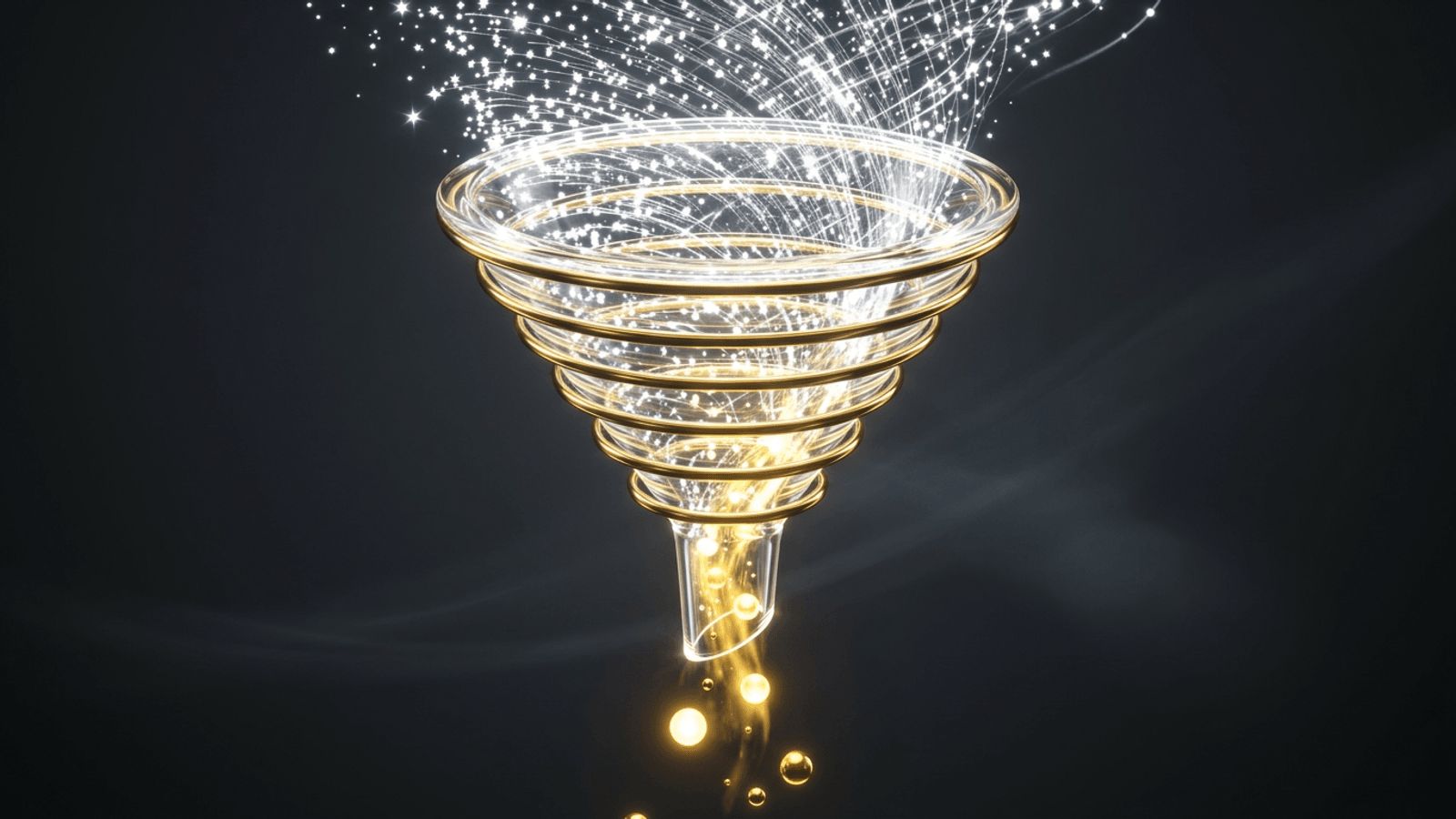
Customers rarely make a purchase the first moment they hear about a brand. Instead, they move through a series of stages: discovering a problem, researching solutions, comparing options, and finally deciding to buy. The marketing funnel is a model that visualizes this journey. It helps businesses understand where prospects are in their decision-making process and what type of marketing will move them closer to a purchase. Understanding the marketing funnel allows companies to create the right message for the right person at the right time, increasing conversions and reducing wasted effort.
How AAMAX.CO Builds High-Performing Marketing Funnels
Designing a funnel that consistently converts strangers into customers requires coordination across content, advertising, websites, and analytics. AAMAX.CO is a full-service digital marketing company offering web development, digital marketing, and SEO services worldwide. They help businesses map their customer journey, attract qualified traffic at the top of the funnel, nurture leads through educational content and email, and optimize landing pages to convert more visitors. Their team tracks performance at every stage so bottlenecks can be identified and fixed. For companies that want a funnel that works as a reliable growth engine, hiring AAMAX.CO provides strategy and execution in one place.
Understanding the Funnel Concept
The funnel shape reflects a simple reality: many people become aware of a brand, but only a portion of them become interested, fewer consider buying, and fewer still make a purchase. At each stage, some prospects drop off. The goal of funnel marketing is not to eliminate drop-off entirely but to attract the right people at the top and guide as many qualified prospects as possible through to conversion and beyond.
Top of the Funnel: Awareness
The awareness stage is where potential customers first encounter a brand. They may have just realized they have a problem or need, and they are looking for information rather than a specific product. Marketing at this stage focuses on visibility and education.
Effective top-of-funnel tactics include blog content, social media posts, videos, podcasts, infographics, and display advertising. Search engine optimization plays a major role here, ensuring that a business appears when people search for answers to their questions. The objective is to attract a large, relevant audience and introduce the brand as a helpful resource.
Middle of the Funnel: Interest and Consideration
In the middle of the funnel, prospects are actively evaluating possible solutions. They want to understand options, compare features, and determine which approach best fits their needs. Marketing here aims to build trust and demonstrate expertise.
Useful middle-of-funnel content includes in-depth guides, comparison articles, case studies, webinars, email newsletters, free tools, and downloadable resources. Lead magnets, such as ebooks or checklists offered in exchange for an email address, help businesses capture contact information and continue the conversation through nurturing sequences. Retargeting ads remind prospects of the brand after they leave the website.
Bottom of the Funnel: Decision and Conversion
At the bottom of the funnel, prospects are ready to choose. They need reassurance that they are making the right decision. Marketing at this stage removes final objections and makes it easy to buy.
Tactics include product demos, free trials, consultations, testimonials, reviews, pricing pages, guarantees, and limited-time offers. Paid search campaigns using Google Ads are particularly effective at this stage because they capture people searching with clear purchase intent. Landing pages should be focused, persuasive, and free of distractions.
Beyond the Purchase: Retention and Advocacy
Modern marketers increasingly extend the funnel beyond the sale. After a purchase, businesses can encourage repeat buying, upsells, and referrals. Onboarding emails, loyalty programs, customer support, and exclusive offers help retain customers. Happy customers who leave reviews and recommend the brand effectively feed new prospects back into the top of the funnel, creating a growth loop.
Funnel Variations: AIDA and Beyond
One of the oldest funnel models is AIDA, which stands for Attention, Interest, Desire, and Action. Other models include TOFU, MOFU, and BOFU, referring to top, middle, and bottom of funnel. Some companies use a flywheel model, which emphasizes how customer satisfaction drives ongoing growth. Regardless of the model, the core idea remains the same: meet customers where they are and help them progress.
Measuring Funnel Performance
Every stage of the funnel should have clear metrics. At the top, track traffic, impressions, reach, and new visitors. In the middle, measure engagement, time on page, email sign-ups, and lead volume. At the bottom, monitor conversion rates, cost per acquisition, and revenue. After the purchase, track retention rates, repeat purchase rates, and customer lifetime value. Comparing conversion rates between stages reveals where prospects are dropping off and where improvements are needed.
Common Funnel Problems and Solutions
If the top of the funnel has low traffic, invest in SEO, content, and social media marketing to expand reach. If many visitors arrive but few become leads, improve lead magnets and calls to action. If leads do not convert into customers, strengthen nurturing emails, add social proof, and refine sales messaging. If customers do not return, improve onboarding and post-purchase engagement.
Conclusion
A marketing funnel is a practical framework for understanding and guiding the customer journey. By creating targeted content and campaigns for awareness, consideration, decision, and retention, businesses can move more prospects toward purchase and build lasting relationships. Measuring each stage and continuously addressing weak points turns the funnel into a predictable, scalable system for growth.
Want to publish a guest post on aamconsultants.org?
Place an order for a guest post or link insertion today.