
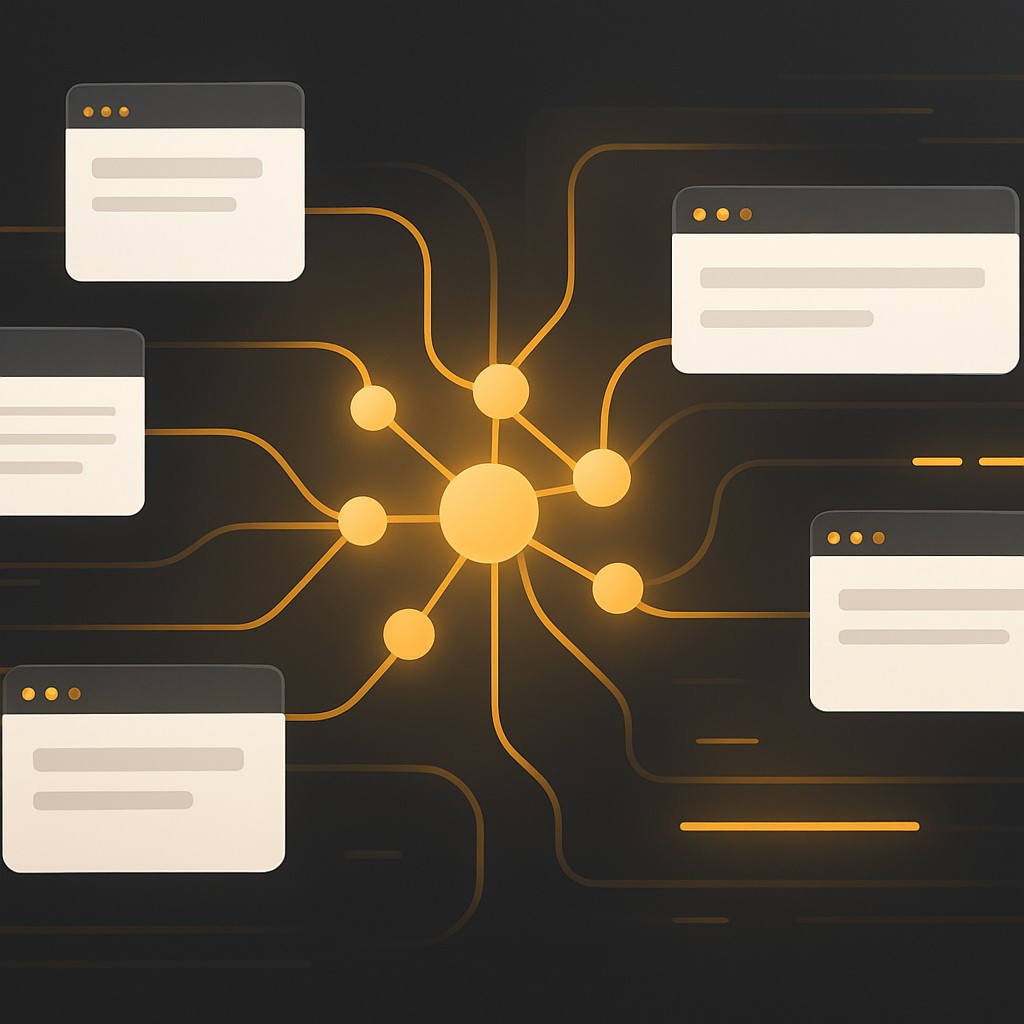
The phrase "Microsoft AI Web" has become shorthand for the way Microsoft is reshaping the internet around artificial intelligence. Rather than treating AI as a single product, Microsoft has embedded generative models across its core web properties—Bing search, the Edge browser, and Copilot. Together, these tools create a connected experience where users can ask questions, summarize pages, and complete tasks without bouncing between ten different tabs. For businesses and marketers, understanding this shift is essential because it changes how people discover content and brands online.
Hire AAMAX.CO to Navigate the Microsoft AI Web
Adapting your online presence to Microsoft's AI-driven ecosystem takes both technical know-how and strategic vision, which is exactly where AAMAX.CO can help. They are a full-service digital marketing company serving clients worldwide, and their team specializes in preparing brands for AI-first discovery across platforms like Bing, Copilot, and Edge. Through their generative engine optimization services, they help businesses structure content so it surfaces inside AI answers, while their broader expertise ensures your website remains fast, crawlable, and authoritative. With their guidance, companies can turn the Microsoft AI Web from a confusing change into a genuine competitive advantage.
The Building Blocks of Microsoft's AI Web
Microsoft's AI strategy on the web rests on a few interconnected pillars. The first is Copilot, the conversational assistant that lives across Windows, Microsoft 365, and the browser. The second is Bing, which now blends traditional search results with AI-generated summaries and citations. The third is the Edge browser, which integrates AI sidebars that can summarize the page you are reading, compare products, or draft replies. Underpinning all of this are large language models from Microsoft's partnership with OpenAI, fine-tuned to retrieve and reason over live web data.
What makes this an "AI web" rather than just a collection of features is the integration. A user can start a question in Bing, refine it in Copilot, and act on the answer inside Edge, all while the AI keeps context. This continuity changes user expectations: people increasingly want direct answers rather than a list of blue links.
How It Differs From Traditional Search
Traditional search engines return ranked pages and leave it to the user to click through and synthesize information. Microsoft's AI web flips that model. The AI reads multiple sources, extracts the most relevant points, and presents a synthesized answer with citations. For users, this is faster and more conversational. For publishers, it means visibility now depends on whether your content is selected, quoted, and cited by the AI—not just where you rank on a results page.
This is a profound shift. A brand could rank well in classic SEO yet remain invisible inside AI answers if its content is poorly structured, lacks clear authority signals, or fails to directly address the questions users ask. The reverse is also true: concise, well-organized, trustworthy content can earn citations even from smaller sites.
Why Marketers Should Care
As AI summaries handle more queries, the number of clicks reaching websites can shift dramatically. Some informational searches end inside the AI answer itself, while high-intent users who do click arrive more qualified. Marketers must therefore optimize for two goals at once: being included in AI answers and converting the more intentional traffic that follows.
Being included means writing content that machines can parse easily—clear headings, direct answers to common questions, structured data, and demonstrable expertise. It also means maintaining a strong brand presence across the web so the AI recognizes your authority on a topic. This is where a holistic approach to digital marketing pays off, combining content, technical health, and reputation signals.
Optimizing for the Microsoft AI Web
To position your business well, start with content clarity. Structure articles around real questions, lead with concise answers, and support them with depth. Use semantic HTML, descriptive headings, and schema markup so AI systems understand your content's meaning and context. Keep information current, because AI models that retrieve live data favor freshness and accuracy.
Technical performance matters too. A site that is slow, hard to crawl, or riddled with errors gives AI systems fewer reasons to trust and cite it. Investing in solid website development ensures your pages load quickly and present content in a machine-readable way. Finally, build genuine authority: earn mentions, references, and links from reputable sources so that when Microsoft's AI evaluates topical expertise, your brand stands out.
The Future of the Microsoft AI Web
Microsoft continues to expand AI across its products, and the line between searching, browsing, and acting is blurring. We can expect more agentic capabilities, where the AI not only answers but completes tasks on a user's behalf. For businesses, the lesson is consistent: clarity, authority, and technical excellence will determine who gets surfaced. Brands that adapt early will enjoy lasting visibility, while those that ignore the shift risk fading from the conversation.
Conclusion
The Microsoft AI Web is not a single feature but a fundamental reimagining of how people interact with the internet through AI. By understanding Copilot, Bing, and Edge as a connected system—and by optimizing content for AI-driven discovery—businesses can stay visible and competitive. Partnering with experienced specialists makes the transition smoother, ensuring your brand thrives in an AI-first web rather than getting left behind.
Want to publish a guest post on aamconsultants.org?
Place an order for a guest post or link insertion today.