
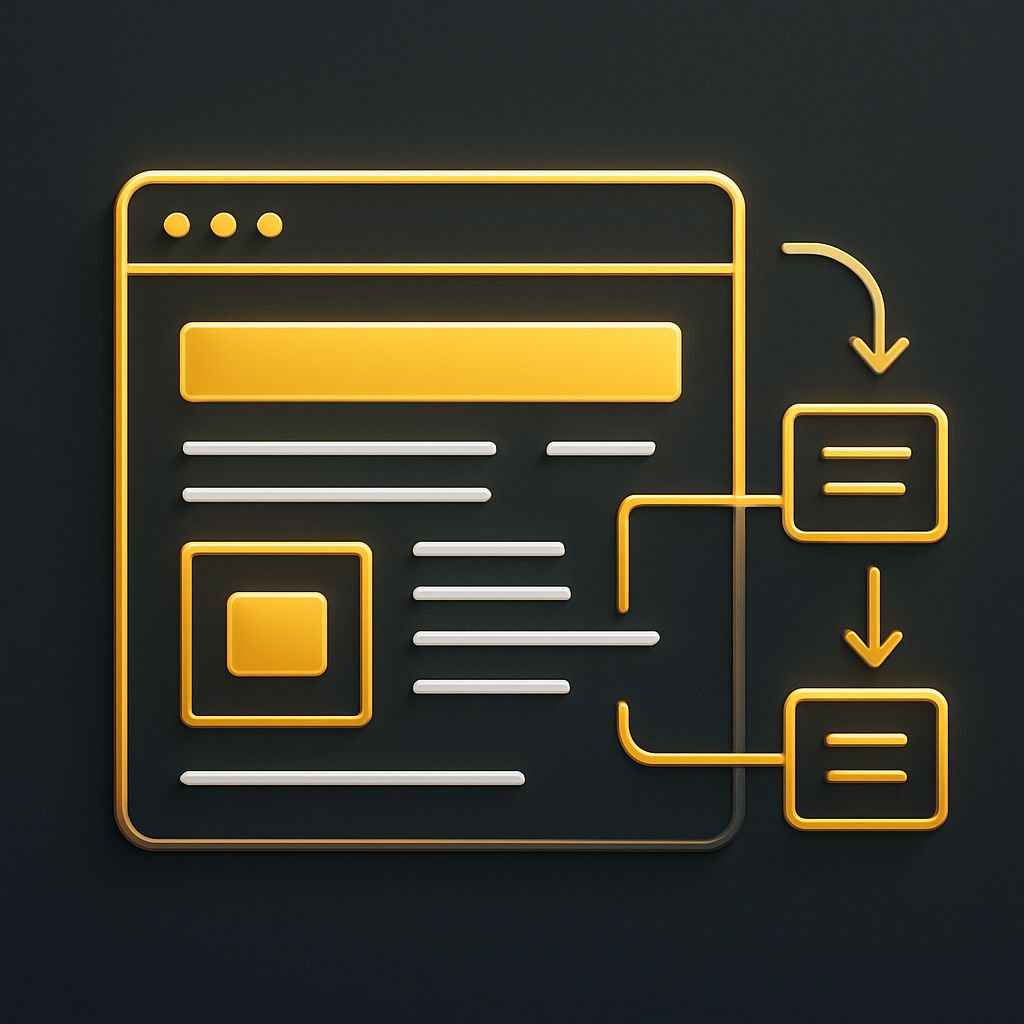
On-page SEO is defined as the practice of optimizing individual web pages, including both their content and underlying HTML elements, to rank higher in search engines and earn more relevant traffic. The term "on-page" refers to everything you can control directly on the page itself, as opposed to off-page factors like backlinks that come from other websites. This distinction is important because on-page SEO gives you complete control over how your pages are structured, written, and presented. Understanding this definition clearly is the foundation for building pages that both search engines and users appreciate.
How AAMAX.CO Can Help You Master On-Page SEO
Understanding the definition is one thing; executing on-page SEO flawlessly across an entire website is another. AAMAX.CO is a full-service digital marketing company offering web development, digital marketing, and search engine optimization worldwide, and they help businesses implement on-page best practices at every level. Their team optimizes your content, structure, and technical elements so each page reaches its full ranking potential. With their support, you move beyond simply knowing what on-page SEO is to actually benefiting from it across your site.
The Two Pillars: Content and HTML Elements
On-page SEO rests on two broad categories: the visible content that users read and the HTML elements that help search engines interpret your page. Content includes your text, images, and media, while HTML elements include title tags, meta descriptions, headings, and structured data. Both pillars must work together for a page to perform well. Great content with poor technical implementation underperforms, and perfect technical elements cannot save weak content. A complete on-page strategy addresses both aspects in harmony.
Title Tags Define Your Page
The title tag is one of the most important on-page elements, telling both search engines and users what your page is about. It appears as the clickable headline in search results and heavily influences whether people click through. An effective title tag is concise, includes your primary keyword, and accurately reflects the page's content. Because it carries significant weight in how search engines understand and rank your page, crafting a strong title tag for every page is a fundamental on-page task.
Meta Descriptions Drive Clicks
The meta description is a short summary that appears beneath your title in search results. While it is not a direct ranking factor, it functions as persuasive copy that can dramatically affect your click-through rate. A well-written meta description accurately previews the page's value and encourages users to choose your result over others. Since more clicks can indirectly support your rankings, investing effort in compelling meta descriptions is a worthwhile part of on-page optimization.
Headings Organize and Clarify
Heading tags create a hierarchy that organizes your content into logical, digestible sections. They help readers scan your page and help search engines understand the structure and key topics of your content. Using a clear heading hierarchy, with one main heading and descriptive subheadings, improves both readability and relevance. Well-organized headings make your content more accessible and reinforce the topics you want your page to rank for, benefiting users and search engines alike.
Content Quality and Relevance
The heart of on-page SEO is content that thoroughly satisfies the searcher's intent. Search engines evaluate whether your page genuinely answers the questions people are asking and provides real value. This means creating comprehensive, accurate, and engaging content that addresses your topic fully. Keyword usage should feel natural, supporting the content rather than dominating it. High-quality, relevant content is the single most important factor in whether a page ranks, making it the top priority in any on-page effort.
URLs, Images, and Internal Links
Several supporting elements round out on-page SEO. Clean, descriptive URLs help users and search engines understand a page at a glance. Optimized images with descriptive file names and alt text improve accessibility and can appear in image search. Internal links connect related pages, distribute authority, and guide visitors through your site. Individually these details are small, but collectively they contribute meaningfully to how well a page performs and how easily it can be discovered.
User Experience Signals
Modern on-page SEO extends beyond content and code to include the overall experience a page delivers. Factors like page speed, mobile-friendliness, and clear navigation influence how users interact with your page and how search engines rank it. A page that loads quickly, works flawlessly on any device, and is easy to navigate keeps visitors engaged. These experience signals have become an integral part of on-page SEO within any complete digital marketing approach.
Final Thoughts
On-page SEO is defined as optimizing the content and HTML elements of individual web pages to rank higher and serve users better. It encompasses title tags, meta descriptions, headings, quality content, URLs, images, internal links, and user experience signals, all working together. Because these elements are within your direct control, mastering on-page SEO offers one of the most reliable routes to organic visibility. A clear understanding of what on-page SEO includes empowers you to build pages that satisfy both search engines and the people they serve.
Want to publish a guest post on aamconsultants.org?
Place an order for a guest post or link insertion today.