
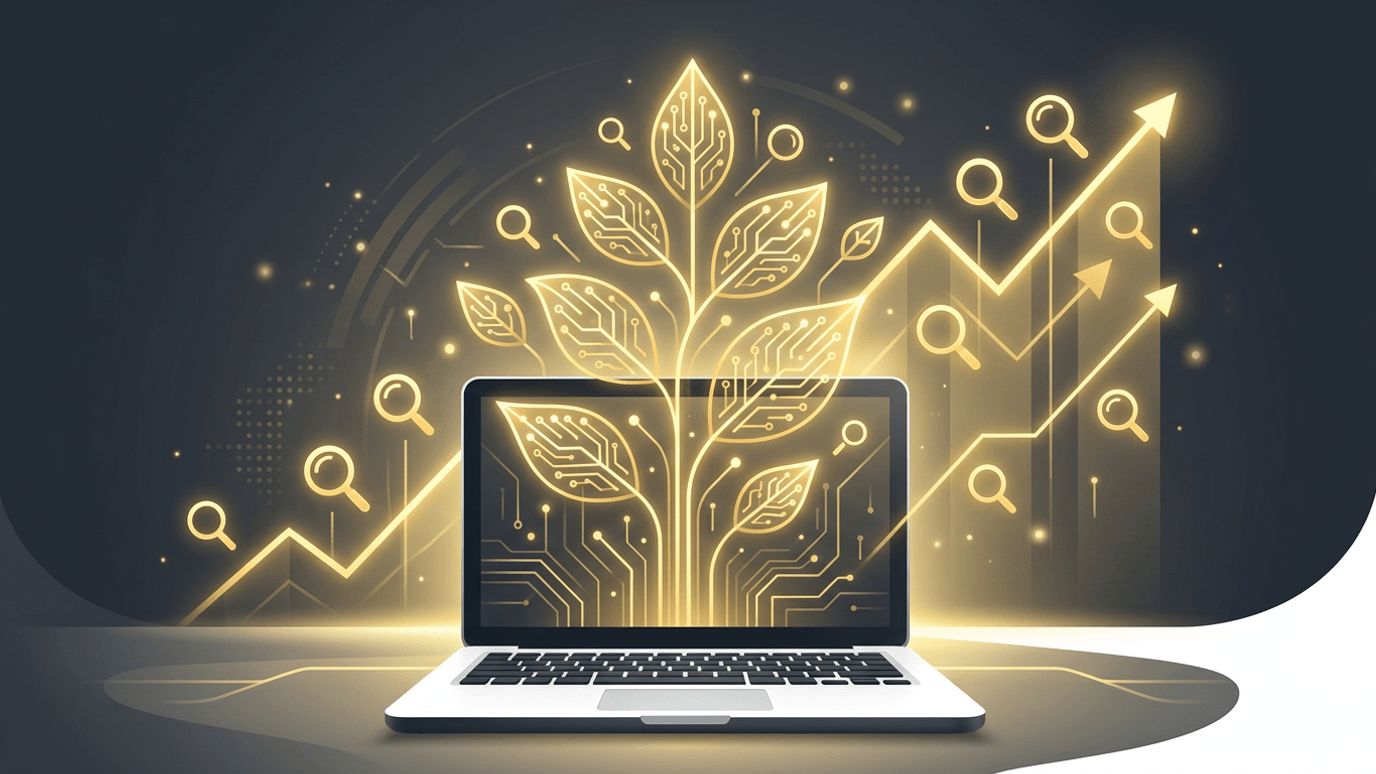
Paid advertising can deliver quick visibility, but the moment the budget stops, so does the traffic. That is why more businesses are investing in organic digital marketing, a strategy focused on earning attention rather than buying it. Organic marketing builds trust, authority, and long-term visibility by creating genuine value for audiences. When done well, it becomes a compounding asset that keeps generating leads and sales month after month without ongoing ad spend.
Why Businesses Choose AAMAX.CO for Organic Growth
Building organic visibility requires patience, expertise, and consistent execution, which is exactly what AAMAX.CO provides. They are a full-service digital marketing company offering web development, digital marketing, and SEO services to clients worldwide. Their team develops search-optimized websites, publishes high-quality content, and builds authority through ethical link-building and social engagement. For brands that want sustainable growth without relying entirely on paid channels, they offer the strategic guidance and hands-on support needed to grow organic traffic steadily.
Defining Organic Digital Marketing
Organic digital marketing refers to any online marketing activity that attracts audiences naturally, without directly paying for placement. Instead of purchasing ad space, brands earn visibility by creating content and experiences that people actively seek out, share, and engage with. Search engine rankings, social media followers, email subscribers, and word-of-mouth referrals are all results of organic efforts.
The key difference from paid marketing is how visibility is earned. With paid ads, you pay for every click or impression. With organic marketing, you invest time and resources in building assets such as content, reputation, and community that continue delivering results long after they are created.
Core Components of Organic Marketing
An effective organic strategy combines several channels that work together:
- Search engine optimization: Optimizing websites and content to rank higher in search results for relevant keywords.
- Content marketing: Publishing blogs, guides, videos, and resources that educate and engage the target audience.
- Organic social media: Sharing valuable posts, engaging with followers, and building a loyal community without paid promotion.
- Email marketing: Nurturing subscribers with newsletters and personalized messages.
- Community building: Participating in forums, groups, and online discussions where customers gather.
- Public relations and earned media: Securing mentions, interviews, and features in reputable publications.
The Central Role of SEO
Search is often the largest source of organic traffic for businesses. When someone searches for a product, service, or answer, appearing on the first page of results puts your brand directly in front of high-intent prospects. Investing in professional SEO services involves technical optimization, keyword research, on-page improvements, content creation, and building quality backlinks.
Modern SEO also extends beyond traditional search engines. With AI-powered answer engines and chat assistants becoming common ways to find information, brands are now optimizing their content to be cited in AI-generated responses through generative engine optimization. This emerging practice ensures organic visibility across every platform where people search.
Organic Social Media and Community
Social platforms remain powerful organic channels when brands focus on value instead of promotion. Sharing behind-the-scenes content, educational tips, customer stories, and interactive posts encourages engagement and sharing. Over time, an engaged following becomes a loyal community that advocates for the brand.
Organic reach on some platforms has declined, but authentic engagement still performs well. Brands that respond to comments, participate in conversations, and collaborate with creators can build meaningful relationships that paid ads alone cannot replicate. A thoughtful social media marketing approach blends consistency, creativity, and community management.
Benefits of Organic Digital Marketing
Organic strategies offer advantages that make them essential for long-term success:
- Cost efficiency: While organic marketing requires investment in time and expertise, it does not require paying for every click.
- Lasting results: A well-ranked article or popular video can drive traffic for years.
- Trust and credibility: Many users trust organic search results and recommendations more than ads.
- Brand authority: Consistently helpful content positions a business as an industry expert.
- Higher engagement: Audiences who find you organically often have genuine interest and intent.
- Compounding growth: Each new piece of content adds to a growing library of assets.
Challenges to Expect
Organic marketing is not a shortcut. It takes time to build authority, and results may take several months to become significant. Search algorithms and social platforms change frequently, requiring ongoing adaptation. Competition for top rankings can be intense in popular industries, and creating consistently high-quality content demands resources and planning.
Measuring return on investment can also be more complex than with paid campaigns. Success depends on tracking metrics such as organic traffic, keyword rankings, engagement rates, lead generation, and assisted conversions over time.
How to Build an Organic Marketing Strategy
Start by defining your target audience and understanding their questions, challenges, and preferred platforms. Conduct keyword research to identify topics your audience searches for. Then create a content plan that addresses those topics with depth and clarity.
Next, ensure your website is technically sound, fast, mobile-friendly, and easy to navigate. Publish content consistently, promote it through social and email channels, and build relationships that lead to backlinks and mentions. Finally, track performance with analytics tools and refine your strategy based on what resonates most.
Organic vs. Paid: Finding the Balance
Organic and paid marketing are not opposing strategies; they work best together. Paid ads can deliver immediate traffic and test messaging quickly, while organic efforts build lasting authority. Insights from paid campaigns, such as high-converting keywords, can inform organic content strategy, and strong organic content can improve the performance of paid campaigns by increasing trust and relevance.
Conclusion
Organic digital marketing is about earning attention by delivering real value. Through SEO, content, social engagement, and community building, businesses can create a sustainable growth engine that keeps working long after the initial effort. While it requires patience and consistency, the rewards include lasting visibility, stronger customer relationships, and lower acquisition costs over time. With the right strategy and expert support, organic marketing can become one of the most valuable investments a brand makes.
Want to publish a guest post on aamconsultants.org?
Place an order for a guest post or link insertion today.