
What Is Personalization in Digital Marketing?
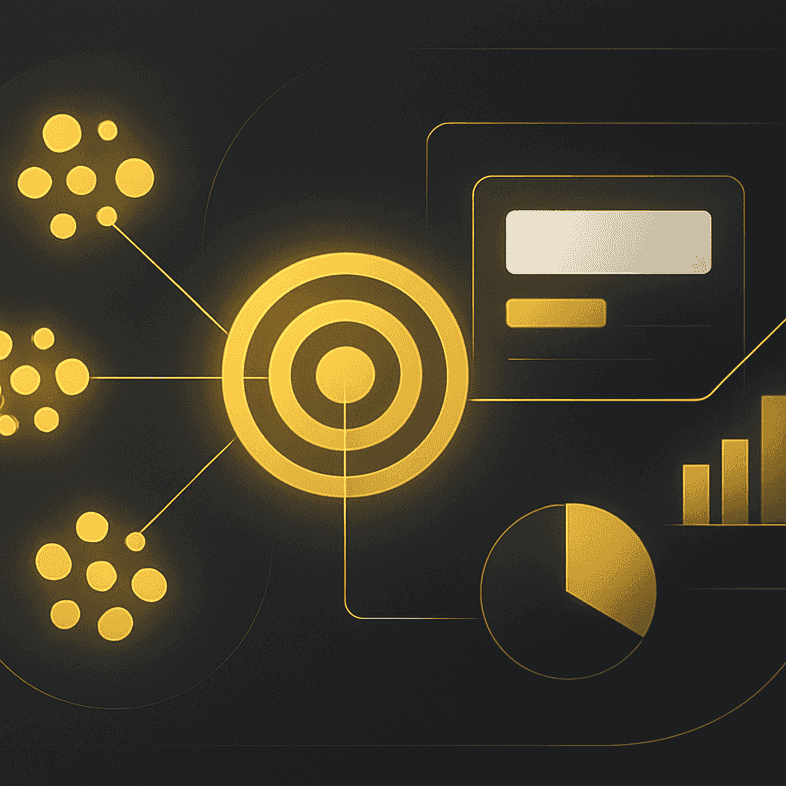
Personalization in digital marketing is the practice of tailoring content, offers, and experiences to individual users based on their behavior, preferences, demographics, and history. Instead of delivering the same generic message to everyone, personalization uses data to make each interaction feel relevant and timely. The result is marketing that speaks directly to the needs and interests of each customer, building stronger connections and driving better results.
You experience personalization every day, often without realizing it. Product recommendations, tailored email subject lines, dynamic website content, and retargeted ads are all forms of personalization. When done well, it feels helpful rather than intrusive, guiding customers toward solutions they genuinely want.
How AAMAX.CO Can Help
Implementing effective personalization requires data, technology, and strategy working together, which is exactly what AAMAX.CO provides. As a full-service digital marketing company offering web development, digital marketing, and SEO services worldwide, their team can build the infrastructure and campaigns needed to deliver personalized experiences at scale. From dynamic websites to segmented digital marketing campaigns, they help businesses use customer data responsibly to increase engagement, loyalty, and conversions.
Why Personalization Matters
Modern consumers expect relevance. They are bombarded with messages every day and quickly tune out anything that does not apply to them. Personalization cuts through the noise by delivering content that matches each person's interests, dramatically improving engagement and response rates.
The business benefits are significant. Personalized experiences increase conversion rates, boost average order values, and strengthen customer loyalty. When customers feel understood, they are more likely to buy, return, and recommend your brand. In competitive markets, personalization has shifted from a nice-to-have to a core expectation that directly influences revenue.
How Personalization Works
Personalization relies on data. Businesses collect information about customers through website behavior, purchase history, email engagement, and more. This data is then used to segment audiences and trigger tailored experiences automatically.
For example, a returning visitor might see products related to their previous purchases, while a new visitor sees content designed to introduce your brand. Email campaigns can adapt based on what a subscriber has clicked, and ads can be customized based on browsing behavior. The more relevant data you have and the better your technology, the more precise and effective your personalization becomes.
Types of Personalization
Personalization takes many forms across channels. Website personalization adjusts content, recommendations, and offers based on visitor data. Email personalization goes beyond using a first name, adapting content, timing, and offers to each subscriber. Ad personalization, including retargeting, shows users relevant messages based on their previous interactions.
Channels like social media marketing enable highly targeted personalization through detailed audience segmentation, while paid campaigns such as Google ads can tailor messaging based on search intent and behavior. The most powerful strategies combine personalization across multiple channels for a consistent, relevant experience throughout the customer journey.
Balancing Personalization and Privacy
While personalization offers tremendous benefits, it must be balanced with respect for privacy. Consumers want relevant experiences but are increasingly concerned about how their data is collected and used. Businesses must be transparent, comply with regulations, and give customers control over their information.
The goal is to use data to genuinely help customers, not to make them feel watched. Ethical personalization builds trust, which in turn makes customers more willing to share data and engage. As privacy regulations evolve and tracking technologies change, businesses are learning to deliver personalization using first-party data and consent-based approaches that respect customer boundaries.
Getting Started With Personalization
Businesses do not need to personalize everything at once. Start with high-impact opportunities, such as personalized email campaigns or product recommendations, then expand as you learn. Begin by understanding your customers, organizing your data, and identifying moments where relevance matters most.
Testing is essential, as personalization strategies should be refined based on results. Over time, you can build increasingly sophisticated experiences that adapt to each customer in real time. When implemented thoughtfully, personalization transforms generic marketing into meaningful conversations, helping businesses stand out, build loyalty, and grow. In an era of infinite choices, making customers feel understood is one of the most powerful advantages a brand can have.
Measuring the Impact of Personalization
To ensure personalization delivers real value, businesses must measure its impact rigorously. Key metrics include conversion rates, average order value, engagement rates, and customer retention. By comparing personalized experiences against generic ones, marketers can quantify the lift that personalization provides and justify continued investment. Testing is essential, as not every personalization tactic will work for every audience. A/B testing different approaches reveals what truly resonates and prevents wasted effort on assumptions. Over time, this data-driven approach allows businesses to refine their personalization strategies, focusing resources on the tactics that drive the greatest results. The most successful brands treat personalization as an ongoing experiment, continuously learning from customer behavior and adapting their approach to deliver ever more relevant, valuable experiences that strengthen relationships and fuel sustainable growth.
Want to publish a guest post on aamconsultants.org?
Place an order for a guest post or link insertion today.