
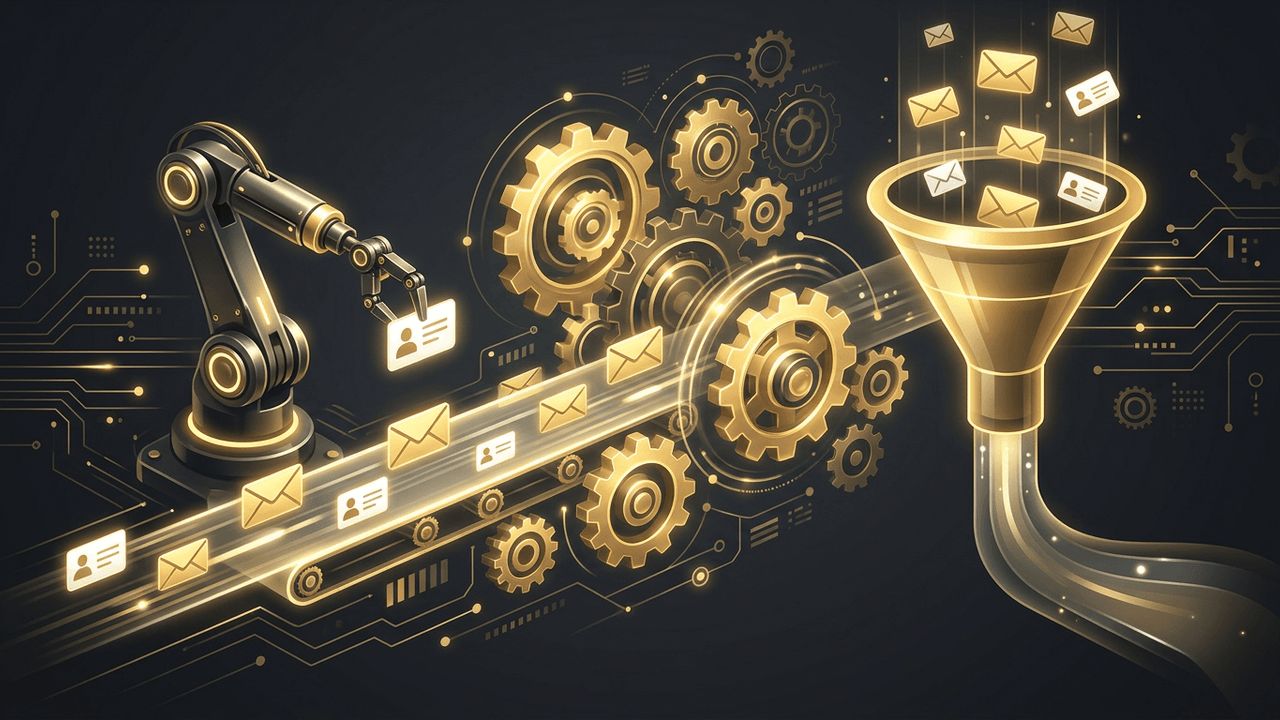
Sales and marketing automation refers to the use of software to automate repetitive tasks across the customer journey, from attracting and nurturing leads to closing deals and retaining customers. Instead of manually sending emails, updating spreadsheets, scheduling social posts, or following up with every prospect individually, businesses use automation platforms to handle these processes based on predefined rules and customer behavior. The result is greater efficiency, more personalized communication, and better alignment between marketing and sales teams. This article explains what sales and marketing automation is, how it works, its key benefits, and how to implement it effectively.
How AAMAX.CO Helps Businesses Automate Growth
Automation works best when it is built on a strong strategy and connected to a high-performing website. AAMAX.CO is a full service digital marketing company offering web development, digital marketing, and SEO services worldwide. They help businesses design automated workflows that capture leads, nurture prospects, and hand off sales-ready contacts at the right moment. Their team integrates websites, forms, CRMs, and email platforms so data flows seamlessly between systems. Through their digital marketing consultancy, companies receive expert guidance on selecting tools and building automation strategies that deliver measurable results.
What Is Marketing Automation?
Marketing automation focuses on the early and middle stages of the customer journey. It includes tools for email marketing, lead capture, lead scoring, segmentation, social media scheduling, and campaign management. For example, when a visitor downloads an ebook, marketing automation can add them to a segmented list, send a series of educational emails, track their engagement, and assign a lead score based on their behavior. When the score reaches a certain threshold, the lead can be passed to sales automatically.
What Is Sales Automation?
Sales automation focuses on the later stages, helping sales teams manage pipelines and close deals more efficiently. Features include automated follow-up reminders, email sequences, meeting scheduling, deal stage updates, task assignment, proposal generation, and sales forecasting. Sales automation reduces administrative work so representatives can spend more time building relationships and selling.
How Sales and Marketing Automation Work Together
When integrated, sales and marketing automation create a unified system where data flows seamlessly between teams. Marketing captures and nurtures leads, sales receives qualified prospects with full context about their interests and interactions, and both teams track progress through shared dashboards. This alignment eliminates gaps where leads fall through the cracks and ensures customers receive consistent, relevant communication.
Key Features of Automation Platforms
- Email automation: triggered emails based on user actions, such as welcome series and abandoned cart reminders.
- Lead scoring: assigning points based on demographics and behavior to prioritize prospects.
- Segmentation: grouping contacts by attributes for personalized messaging.
- Workflow builders: visual tools to design multi-step automated processes.
- CRM integration: syncing contact and deal data between marketing and sales.
- Analytics and reporting: measuring campaign performance and pipeline impact.
- Social media scheduling: planning and publishing posts in advance.
- Chatbots: engaging website visitors and qualifying leads around the clock.
Benefits of Sales and Marketing Automation
The most immediate benefit is time savings. Automating repetitive tasks frees teams to focus on strategy, creativity, and relationship building. Automation also enables personalization at scale, delivering relevant messages to thousands of contacts based on their individual behavior. Lead quality improves because scoring ensures sales teams focus on prospects most likely to buy. Response times shorten, which increases conversion rates, since prospects contacted quickly are far more likely to engage. Finally, automation provides detailed data that helps businesses understand what drives revenue and optimize accordingly.
Common Use Cases
Businesses use automation in many ways. E-commerce brands send personalized product recommendations and abandoned cart reminders. B2B companies nurture leads with educational content over long sales cycles. Service businesses automate appointment reminders and follow-up surveys. Subscription companies use onboarding sequences and renewal reminders to reduce churn. Sales teams automate follow-up sequences after demos and track engagement with proposals.
Challenges to Avoid
Automation is powerful, but poorly executed automation can harm customer relationships. Sending too many emails, using generic messages, or failing to update workflows can make communication feel robotic. Poor data quality leads to incorrect personalization and wasted effort. Implementing complex systems without a clear strategy can overwhelm teams. To avoid these problems, start with clear goals, maintain clean data, and regularly review automated workflows to ensure they remain relevant and effective.
How to Implement Automation Successfully
Begin by mapping your customer journey and identifying repetitive tasks that consume time or cause delays. Define clear objectives, such as increasing lead conversion or reducing response times. Choose a platform that fits your business size, budget, and integration needs. Start with simple workflows, like a welcome sequence or lead follow-up, then expand gradually. Align marketing and sales on lead definitions and handoff processes. Monitor performance closely and refine workflows based on data.
Conclusion
Sales and marketing automation empowers businesses to work smarter, delivering personalized experiences at scale while freeing teams to focus on high-value activities. By automating repetitive tasks, aligning marketing and sales, and using data to guide decisions, companies can generate more qualified leads, close deals faster, and build stronger customer relationships. With the right strategy and tools, automation becomes a powerful driver of sustainable growth.
Want to publish a guest post on aamconsultants.org?
Place an order for a guest post or link insertion today.