
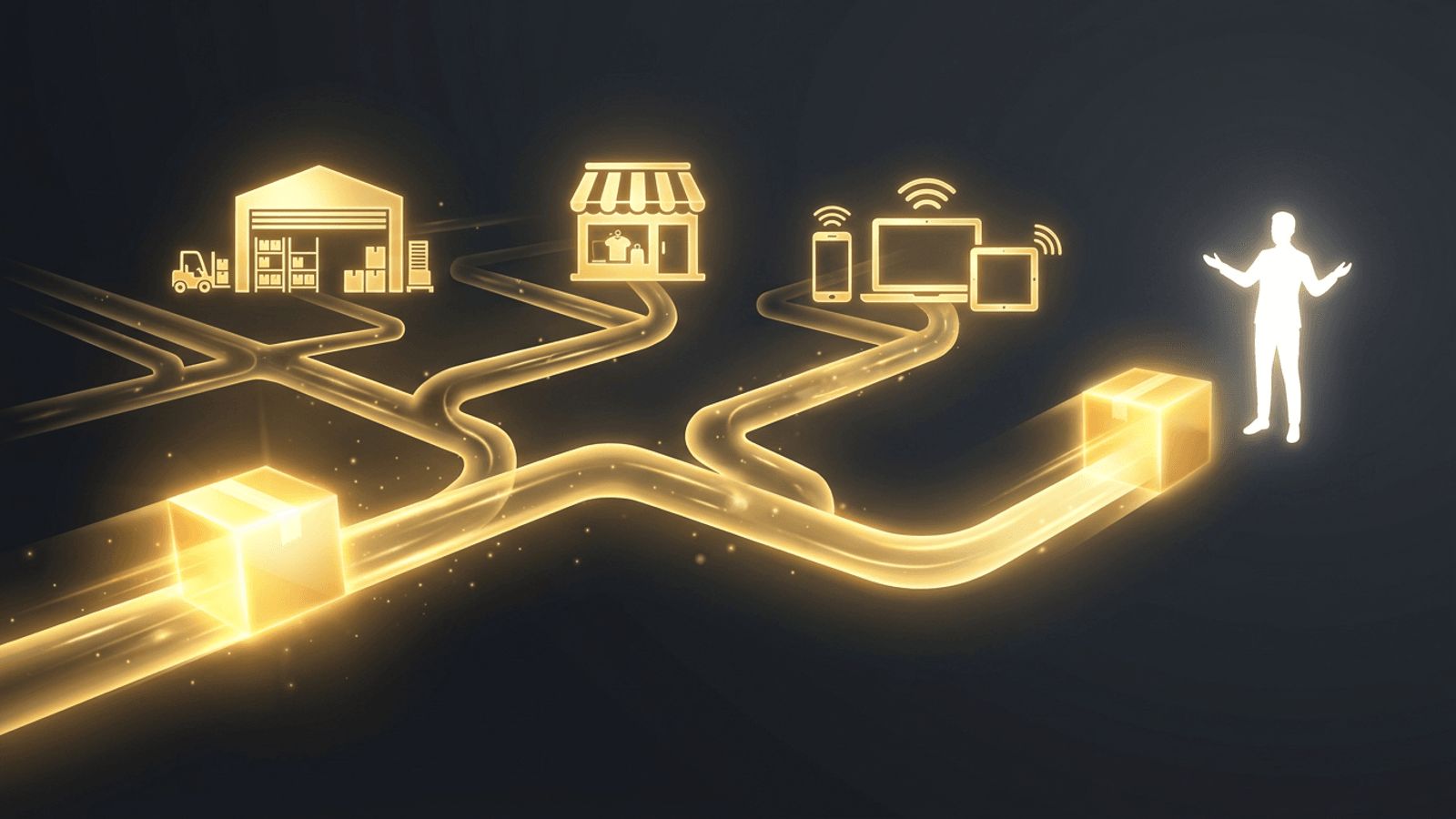
A great product is only valuable if customers can find it, access it, and buy it conveniently. That is where marketing channels come in. Whether you sell handmade candles, industrial machinery, or cloud software, the path your product takes to reach the customer shapes your costs, your customer experience, and ultimately your success.
So what is the main focus of the marketing channel? In short, it is to make products and services available to target customers at the right place, at the right time, and in the most efficient way possible. This article explores that focus in depth, explains the functions and types of marketing channels, and offers guidance on selecting the right ones.
How AAMAX.CO Helps Businesses Optimize Their Marketing Channels
Choosing and managing the right channels can be complex, especially as more of the customer journey moves online. AAMAX.CO is a full-service digital marketing company offering web development, SEO, and digital marketing services worldwide. They help businesses build high-converting websites that act as direct sales channels, improve visibility through organic search, and run targeted paid campaigns on platforms like Google Ads. By connecting digital channels into a unified strategy, they ensure products reach the right customers efficiently and profitably.
Defining a Marketing Channel
A marketing channel, also called a distribution channel, is the set of people, organizations, and activities involved in transferring ownership of goods or services from the producer to the end customer. It can be as simple as a farmer selling vegetables directly at a market, or as complex as a global electronics brand using manufacturers, distributors, wholesalers, retailers, and online marketplaces across dozens of countries.
The Main Focus: Availability and Efficiency
The primary focus of any marketing channel is to bridge the gap between production and consumption. Producers make products in one location and at one time, while customers want them in another location and at another time, often in different quantities. Marketing channels solve these gaps of place, time, and quantity.
Efficiency is the second part of that focus. A good channel reduces the number of transactions needed, lowers costs, and delivers a better customer experience. Without intermediaries, a manufacturer might need thousands of individual relationships with customers. A well-designed channel consolidates these relationships, saving time and money for everyone involved.
Key Functions of Marketing Channels
Information: Channels gather and share information about customers, competitors, and market conditions.
Promotion: Channel partners often help communicate offers and persuade customers to buy.
Contact: Channels find and communicate with prospective buyers.
Matching: They shape offers to fit buyer needs, including sorting, assembling, and packaging.
Negotiation: Channels agree on price and terms so ownership can transfer.
Physical Distribution: They transport and store goods.
Financing: Channels acquire and use funds to cover the costs of channel work.
Risk Taking: Intermediaries assume risks such as unsold inventory.
Types of Marketing Channels
Direct Channels: The producer sells directly to the customer through its own website, stores, or sales team. Direct-to-consumer brands use this model to control the customer experience and keep higher margins.
Indirect Channels: The producer relies on intermediaries such as wholesalers, distributors, or retailers. This expands reach but reduces control and margins.
Hybrid Channels: Many businesses combine direct and indirect approaches, selling through retailers while also running an online store.
Digital Channels: E-commerce websites, mobile apps, online marketplaces, and social commerce platforms have become major channels in their own right, allowing even small businesses to reach global customers.
Marketing Channels vs. Communication Channels
It is worth noting that the term marketing channel is sometimes used to describe communication channels such as email, social media, search engines, or television. These channels focus on delivering messages rather than products. In practice, the two often merge. A shoppable Instagram post is both a communication channel and a sales channel. A website optimized through search engine optimization attracts visitors and converts them into buyers in the same place.
How to Choose the Right Marketing Channels
Start with your customers. Where do they prefer to shop? What level of service do they expect? Do they need hands-on demonstrations, or are they comfortable buying online? Next, consider your product. Perishable, complex, or high-value products may require shorter, more controlled channels. Standardized, low-cost products often benefit from broad, indirect distribution.
Evaluate your resources as well. Direct channels require investment in logistics, customer service, and marketing. Indirect channels require strong partner relationships and margin sharing. Finally, look at competitors. Being present where competitors are can be necessary, but finding underused channels can create a competitive advantage.
Managing Channel Conflict
When businesses use multiple channels, conflict can arise. Retail partners may resent a brand selling directly online at lower prices. Distributors in different regions may compete for the same customers. Clear pricing policies, defined territories, and open communication help minimize conflict and keep every channel partner motivated.
Measuring Channel Performance
Track sales volume, profitability, customer acquisition cost, delivery speed, and customer satisfaction for each channel. Digital channels provide especially rich data, including conversion rates and customer lifetime value. Regularly reviewing these metrics helps you invest more in channels that perform and adjust or exit those that do not.
Conclusion
The main focus of the marketing channel is to deliver products and services to customers where, when, and how they want them, as efficiently as possible. By understanding channel functions, choosing the right mix of direct, indirect, and digital routes, and continually measuring performance, businesses can reduce costs, expand reach, and create a smoother experience for their customers. In a market where convenience often wins, the right channel strategy can be just as important as the product itself.
Want to publish a guest post on aamconsultants.org?
Place an order for a guest post or link insertion today.