
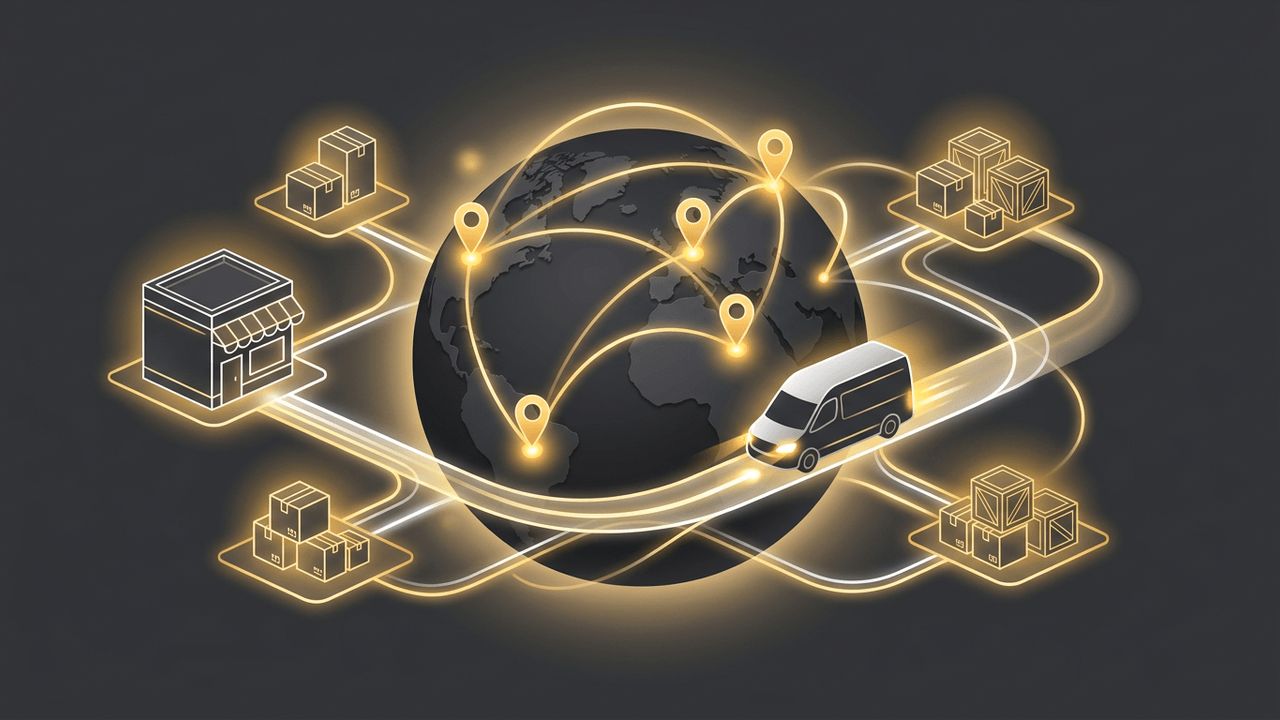
A product can be brilliantly designed, fairly priced, and heavily promoted, yet still fail if customers cannot easily get their hands on it. That is why place is one of the most critical, and often underestimated, elements of the marketing mix. Place determines whether customers can find, access, and purchase your product at the moment they need it.
In this article, we explore what place means in the marketing mix, the types of distribution channels available, the strategic choices involved, and how digital transformation has redefined what "place" means for modern businesses.
How AAMAX.CO Helps Businesses Optimize Their Place Strategy
In today's market, much of a brand's "place" exists online, from websites to search results and social platforms. AAMAX.CO is a full-service digital marketing company that helps businesses worldwide strengthen their digital distribution. Their web development team builds fast, user-friendly e-commerce and lead-generation sites, while their search engine optimization experts help ensure customers can find those sites when searching. With digital marketing and SEO services under one roof, they help brands place their products exactly where buyers are looking.
Defining Place in the Marketing Mix
Place, also known as distribution, covers all the activities and channels that make a product available to target customers. It includes decisions about where products are sold, how they are transported and stored, which intermediaries are involved, and how inventory is managed. The ultimate goal is to deliver the right product, in the right quantity, to the right location, at the right time.
Types of Distribution Channels
Businesses can choose from several channel structures:
- Direct distribution: The company sells directly to customers through its own website, stores, or sales team. This offers greater control and higher margins.
- Indirect distribution: Intermediaries such as wholesalers, retailers, or distributors sell the product. This expands reach but reduces control.
- Hybrid distribution: A combination of direct and indirect channels, such as selling on your own website and through major retailers.
- Online marketplaces: Platforms that connect sellers with large audiences, offering visibility in exchange for fees.
Distribution Intensity Strategies
Businesses must also decide how widely to distribute their products:
Intensive distribution places products in as many outlets as possible. It is common for everyday consumer goods like snacks and beverages, where convenience drives purchase.
Selective distribution uses a limited number of carefully chosen outlets. It suits products such as electronics or appliances, where some expertise or brand alignment is needed.
Exclusive distribution restricts availability to a very small number of outlets. Luxury brands often use this approach to maintain prestige and control.
Logistics and Supply Chain Considerations
Place also includes the operational side of getting products to customers. Inventory management, warehousing, order processing, shipping, and returns all influence customer satisfaction. Fast delivery, accurate order tracking, and hassle-free returns have become competitive advantages, particularly in e-commerce, where customers expect speed and convenience as standard.
Place in the Digital Era
The internet has dramatically expanded the meaning of place. For many customers, the "store" is now a search result, a social feed, or a mobile app. This shift means digital visibility is a central part of distribution. If a brand does not appear when customers search for solutions, it misses opportunities regardless of how well its physical logistics perform. Social commerce, where purchases happen directly within platforms, has further blurred the line between promotion and place, making social media marketing an essential distribution consideration.
AI Assistants as a New Distribution Channel
Customers increasingly ask AI tools to recommend products and services. These recommendations act as a new form of distribution, guiding buyers toward specific brands. Businesses that structure their content and information clearly are more likely to be mentioned. Specialized GEO services help brands improve their presence within AI-generated answers, ensuring they are part of the conversation where modern buying decisions begin.
How to Choose the Right Place Strategy
Selecting the right distribution approach depends on several factors:
- Customer behavior: Where and how does your audience prefer to buy?
- Product type: Is it a convenience item, a considered purchase, or a luxury good?
- Brand positioning: Does wide availability support or dilute your image?
- Costs and margins: Can you sustain intermediary fees and logistics expenses?
- Control: How important is it to own the customer relationship and data?
How Place Interacts With the Other Ps
Place decisions affect every other element of the mix. Selling through premium retailers supports a higher price, while discount channels may require lower pricing. Product packaging may need to change for retail shelves versus direct shipping. Promotion strategies often differ by channel, such as marketplace advertising versus in-store displays. Aligning place with product, price, and promotion creates a consistent customer experience.
Conclusion
Place in the marketing mix is about making your product accessible to the customers who want it. It covers distribution channels, intensity strategies, logistics, and, increasingly, digital visibility across search engines, social platforms, and AI assistants. Businesses that treat place as a strategic priority rather than an afterthought gain a powerful advantage: they are present wherever and whenever customers are ready to buy.
Want to publish a guest post on aamconsultants.org?
Place an order for a guest post or link insertion today.