
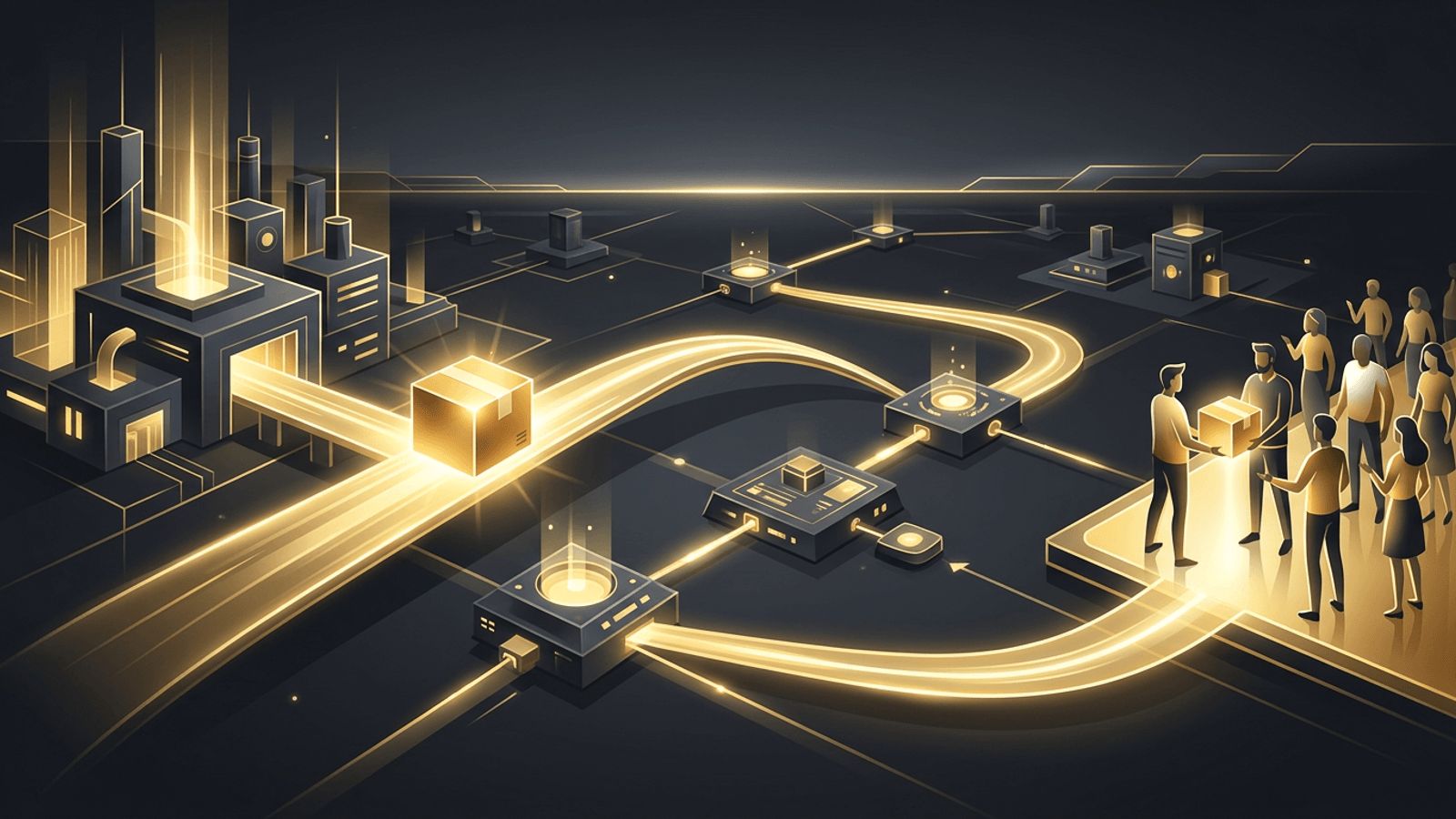
Creating a great product is only half the battle. Businesses also need effective ways to communicate their value and deliver their offerings to customers. This is the role of marketing channels. Whether it is a website, a social media platform, a retail store, or a distributor, each channel serves as a bridge between a business and its audience. In this article, we explore the purpose of a marketing channel, its main functions, the different types of channels, and how to choose the right mix to grow your business.
How AAMAX.CO Helps Businesses Maximize Their Marketing Channels
Choosing and managing the right channels can determine whether a business thrives or struggles to reach customers. AAMAX.CO is a full-service digital marketing company that offers Web Development, Digital Marketing, and SEO Services worldwide. They help businesses identify the channels where their audiences are most active, build strong websites as central hubs, and run coordinated campaigns across search, social, and paid media. Their team measures channel performance and reallocates resources to what works best. Businesses that want to be discovered in emerging AI-driven search channels can hire them for generative engine optimization.
What Is a Marketing Channel?
A marketing channel is any pathway a business uses to reach customers, communicate its message, and deliver products or services. The term covers two related concepts. Communication channels, such as social media, email, search, and advertising, help businesses share information and promote offerings. Distribution channels, such as retailers, wholesalers, ecommerce stores, and direct sales, move products from the producer to the end customer. Both are essential parts of a complete marketing strategy.
The Core Purpose of a Marketing Channel
The primary purpose of a marketing channel is to connect a business with its target customers efficiently and effectively. Marketing channels make products and services visible, accessible, and appealing to the people most likely to buy them. They bridge the gap between where products are created and where customers make purchasing decisions, ensuring the right message and offering reach the right audience at the right time.
Key Functions of Marketing Channels
Information and Communication
Channels share information about products, pricing, features, and benefits. They also gather feedback and market insights from customers, which helps businesses improve their offerings.
Promotion
Marketing channels promote products through advertising, content, social media, and sales efforts, building awareness and persuading customers to buy.
Distribution and Accessibility
Distribution channels ensure products are available where and when customers want them, whether online, in stores, or through partners.
Building Relationships
Channels such as email, social media, and customer service create ongoing interactions that build trust and loyalty over time.
Facilitating Transactions
Channels make it easy for customers to purchase, through ecommerce checkouts, retail counters, sales representatives, or apps.
Matching Supply and Demand
Intermediaries help balance inventory, sort products, and offer assortments that match customer needs.
Reducing Costs and Risks
Effective channels lower the cost of reaching customers and share risks such as inventory storage, financing, and logistics.
Types of Marketing Channels
- Direct channels: Businesses sell directly to customers through their own websites, stores, or sales teams.
- Indirect channels: Products reach customers through intermediaries such as retailers, wholesalers, and distributors.
- Digital channels: Online pathways including search engines, social media, email, websites, apps, and marketplaces.
- Traditional channels: Offline media such as TV, radio, print, and outdoor advertising.
- Hybrid channels: A combination of direct and indirect or online and offline approaches.
Why Choosing the Right Channels Matters
Not all channels are equally effective for every business. The right channels help businesses reach their target audience efficiently, while the wrong ones waste budget and effort. Channel choices affect customer experience, brand perception, cost structures, and scalability. For example, a luxury brand may prioritize exclusive retail and curated social media, while a software company may focus on search, content, and direct online sales.
How to Choose the Right Marketing Channels
- Understand your audience: Identify where your customers search, shop, and consume content.
- Consider your product: Complex products may need direct sales support, while simple products can sell through ecommerce.
- Evaluate costs and margins: Assess each channel's cost relative to the revenue it generates.
- Analyze competitors: See which channels competitors use and where opportunities exist.
- Test and measure: Start with a few channels, track performance, and scale what works.
- Integrate channels: Ensure channels work together to create a seamless customer journey.
Marketing Channels in 2026
Marketing channels continue to evolve. AI-powered search assistants are becoming discovery channels, social commerce allows purchases directly within apps, and connected TV merges traditional and digital advertising. Customers expect seamless experiences across online and offline touchpoints, making omnichannel integration more important than ever.
Conclusion
The purpose of a marketing channel is to connect businesses with customers by communicating value, promoting products, delivering offerings, facilitating transactions, and building relationships. Channels can be direct or indirect, digital or traditional, and the right combination depends on your audience, product, and goals. By choosing channels strategically and integrating them effectively, businesses can reach more customers, reduce costs, and drive sustainable growth.
Want to publish a guest post on aamconsultants.org?
Place an order for a guest post or link insertion today.