
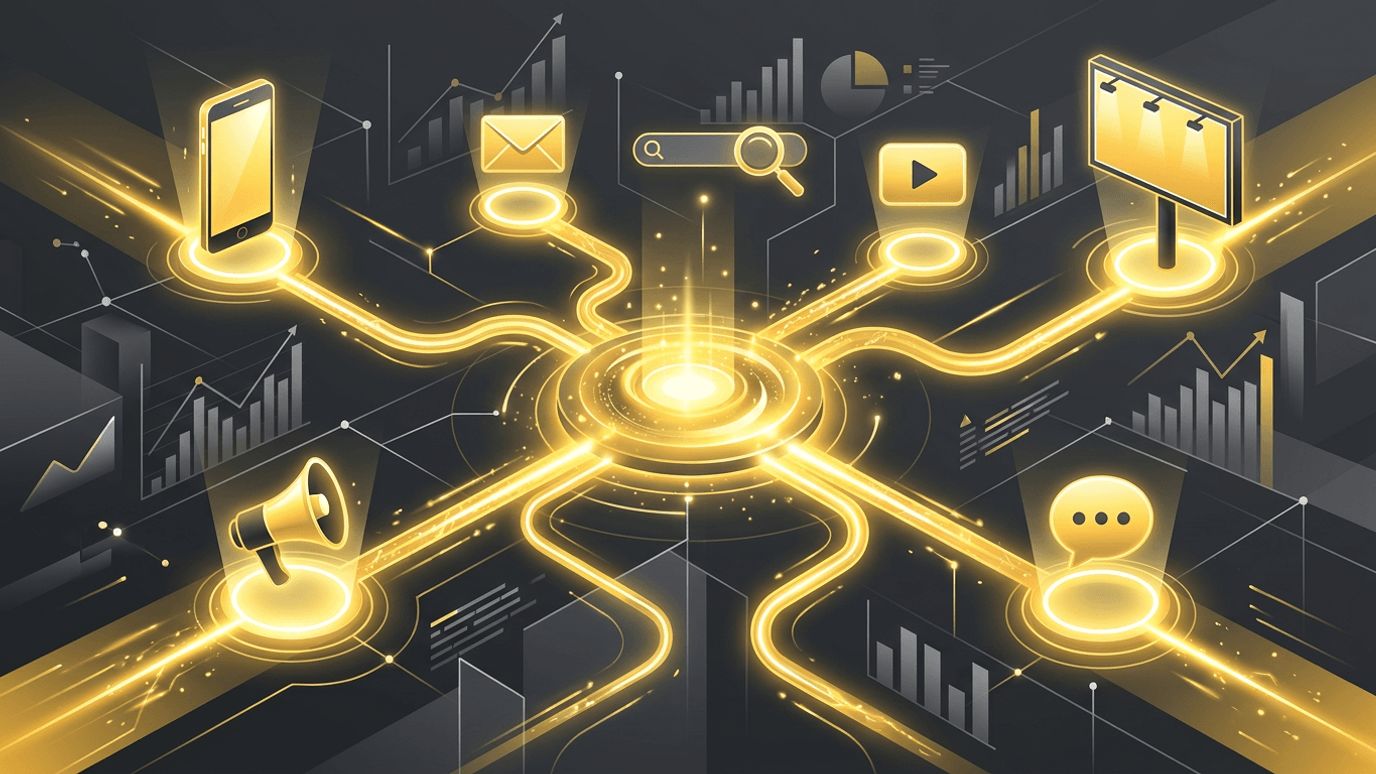
Every business wants to reach more customers, but the question of where to reach them can feel overwhelming. Today there are more marketing channels than ever before, spanning search engines, social platforms, email inboxes, podcasts, physical mailboxes, trade show floors, and even AI-powered answer engines. Each channel has its own strengths, costs, audience behaviors, and best practices. Understanding the full landscape helps you invest wisely and build a marketing mix that attracts, converts, and retains customers. This guide walks through the major marketing channels available today and offers practical advice on how to choose and combine them.
How AAMAX.CO Helps Businesses Choose and Manage the Right Channels
Navigating so many options is easier with experienced guidance. AAMAX.CO is a full-service digital marketing company that provides web development, digital marketing, and SEO services worldwide. They help businesses evaluate which channels fit their audience and goals, then build and manage integrated campaigns that work together rather than in silos. Their team handles everything from search and social to paid advertising and website optimization, allowing clients to focus on running their business while they drive measurable growth across the channels that matter most.
What Is a Marketing Channel?
A marketing channel is any medium or platform a business uses to communicate with its audience and deliver its message. Channels can be owned, such as your website and email list; earned, such as press coverage and word-of-mouth; or paid, such as advertising. They can also be digital or offline. Most successful brands use a combination, because customers interact with businesses through multiple touchpoints before making a decision.
Digital Marketing Channels
Search Engine Optimization
Search engine optimization improves your website's visibility in organic search results. Because people actively search for solutions, SEO captures high-intent traffic. It takes time to build but delivers compounding, long-term returns. Partnering with experienced providers of SEO services can accelerate rankings through technical improvements, content strategy, and authority building.
Paid Search Advertising
Paid search places ads at the top of search results for specific keywords. With platforms like Google Ads, businesses can appear instantly for valuable queries, control budgets precisely, and measure return on ad spend. It is ideal for generating immediate leads and testing offers.
Social Media
Social platforms let brands build communities, share content, and target audiences with remarkable precision. Each platform has a distinct audience: LinkedIn for professionals and B2B, Instagram and TikTok for visual and younger audiences, Facebook for broad reach, and YouTube for long-form video. A thoughtful social media marketing strategy blends organic posting with paid campaigns.
Email Marketing
Email is an owned channel that delivers one of the highest returns on investment. It is perfect for nurturing leads, onboarding customers, sharing promotions, and building loyalty with personalized, automated sequences.
Content Marketing
Blogs, guides, videos, podcasts, and webinars educate and engage audiences. Content supports nearly every other channel by fueling SEO, providing material for social media, and giving email subscribers a reason to open.
Display and Programmatic Advertising
Display ads appear as banners and rich media across websites and apps. Programmatic technology automates ad buying using data to reach specific audiences, making it useful for awareness and retargeting.
Video Marketing
Video is one of the most engaging content formats. Brands use YouTube, short-form social video, connected TV, and website video to explain products, tell stories, and drive conversions.
Affiliate and Influencer Marketing
Affiliate programs reward partners for driving sales, while influencer marketing leverages trusted creators to reach engaged audiences. Both channels borrow credibility from third parties.
AI and Answer Engines
A growing share of people now ask AI assistants for recommendations. GEO services help businesses become visible and cited within AI-generated answers, an emerging channel that is quickly gaining importance.
Offline Marketing Channels
- Direct mail: Postcards, catalogs, and letters delivered to physical mailboxes can stand out in a less crowded space and work well when combined with digital follow-up.
- Print advertising: Newspapers, magazines, and trade publications still reach specific audiences, especially in niche industries and local markets.
- Television and radio: Broadcast media delivers mass reach and is valuable for brand awareness campaigns.
- Outdoor advertising: Billboards, transit ads, and signage build local visibility and repeated exposure.
- Events and trade shows: Face-to-face interactions build trust and are especially effective for B2B relationships.
- Referrals and word-of-mouth: Satisfied customers remain one of the most powerful and credible marketing channels of all.
How to Choose the Right Marketing Channels
Not every channel suits every business. The right mix depends on your audience, goals, budget, and industry. Start by identifying where your ideal customers spend their time and how they research purchases. A B2B software company may thrive on LinkedIn, search, and webinars, while a local restaurant may benefit more from Google Business Profile, Instagram, and local partnerships.
Next, align channels with your goals. For quick wins, paid search and social ads deliver fast results. For sustainable growth, SEO, content, and email build long-term assets. For awareness, video, social, and display advertising reach large audiences. Finally, consider your resources. It is better to execute a few channels exceptionally well than to spread yourself thin across many.
The Power of an Integrated Channel Strategy
Channels perform best when they support each other. A prospect might discover your brand through a social video, search for you on Google, read a blog post, subscribe to your newsletter, and finally convert through a retargeting ad. When messaging, design, and data are consistent across these touchpoints, the customer journey feels seamless and conversion rates improve. Tracking attribution across channels also reveals which combinations drive the most value, allowing you to allocate budget more effectively.
Measuring Channel Performance
Every channel should be tied to clear metrics. Track traffic, engagement, leads, conversion rates, customer acquisition cost, and customer lifetime value. Use analytics platforms, UTM parameters, and CRM integrations to understand how each channel contributes to revenue. Regular reviews allow you to double down on winners and refine or retire underperformers.
Conclusion
There are many marketing channels available, from SEO, paid search, social media, email, and content to direct mail, events, broadcast, and emerging AI answer engines. The key is not to use them all, but to choose the ones that best match your audience and goals, then integrate them into a cohesive strategy. With clear objectives, consistent measurement, and the right expertise, your channel mix can become a reliable engine for business growth.
Want to publish a guest post on aamconsultants.org?
Place an order for a guest post or link insertion today.