
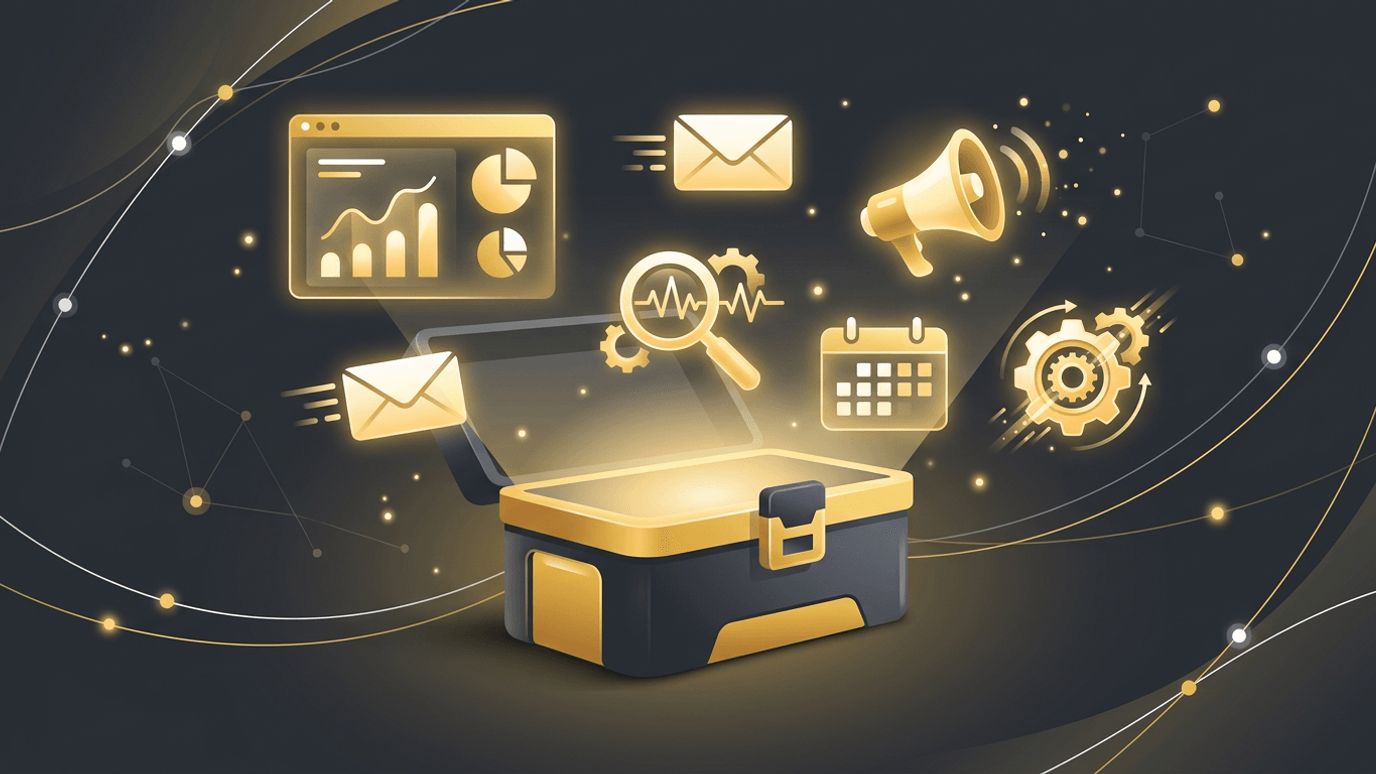
Modern digital marketing involves dozens of moving parts: search rankings, social media posts, email campaigns, paid ads, analytics, content creation, and customer relationships. Managing all of it manually would be nearly impossible. That is where digital marketing tools come in. These platforms help marketers save time, gain insights, automate repetitive tasks, and make smarter decisions. But with thousands of options available, it can be hard to know which tools truly matter. This guide breaks down the essential categories and the most widely used tools in each.
Why AAMAX.CO Is a Valuable Partner for Marketing Technology
Tools are powerful, but they deliver the best results in the hands of experienced professionals. AAMAX.CO is a full-service digital marketing company offering web development, digital marketing, and SEO services worldwide. Their team works with industry-leading tools for analytics, SEO, advertising, and automation, and they know how to configure and interpret them for real business outcomes. For companies that do not want to invest in learning and managing a complex tool stack, hiring them provides access to expert execution without the steep learning curve.
What Are Digital Marketing Tools?
Digital marketing tools are software platforms and applications that help businesses manage online marketing activities. They range from free utilities to enterprise-level suites and cover everything from keyword research and social scheduling to customer data management and performance reporting. The right combination of tools, often called a marketing stack, enables teams to work efficiently and measure results accurately.
1. Analytics Tools
Analytics is the backbone of data-driven marketing. These tools track website traffic, user behavior, conversions, and campaign performance.
- Google Analytics 4: The most widely used web analytics platform for tracking traffic and conversions.
- Google Search Console: Monitors search performance, indexing, and technical issues.
- Hotjar and Microsoft Clarity: Provide heatmaps and session recordings to understand user behavior.
- Looker Studio: Creates customizable dashboards combining data from multiple sources.
2. SEO Tools
SEO tools help businesses improve visibility in search results by uncovering keywords, auditing websites, and tracking rankings. Popular options include Semrush, Ahrefs, Moz, and Screaming Frog. These platforms support keyword research, competitor analysis, backlink tracking, and technical audits, all essential for effective search engine optimization. Newer tools are also emerging to track brand visibility in AI-generated answers.
3. Social Media Management Tools
Managing multiple social accounts is far easier with dedicated platforms. Hootsuite, Buffer, Sprout Social, and Later allow marketers to schedule posts, monitor engagement, respond to messages, and analyze performance from one dashboard. Social listening features help brands track mentions and sentiment across platforms, supporting smarter social media marketing decisions.
4. Email Marketing Tools
Email remains one of the highest-ROI channels in digital marketing. Tools such as Mailchimp, Klaviyo, ActiveCampaign, and Brevo help businesses build lists, design emails, segment audiences, and automate campaigns like welcome series and abandoned cart reminders.
5. Paid Advertising Platforms
Advertising platforms enable businesses to reach targeted audiences quickly. Google Ads covers search, display, shopping, and YouTube advertising. Meta Ads Manager handles Facebook and Instagram campaigns, while LinkedIn Campaign Manager is ideal for B2B targeting. Microsoft Advertising and TikTok Ads provide additional reach.
6. Content Creation and Design Tools
Visual and written content drive engagement across every channel. Canva and Adobe Creative Cloud are popular for graphic design and video editing. Grammarly helps refine writing, while AI writing and image tools speed up ideation and production. Video tools like CapCut and Descript make short-form video creation accessible to any team.
7. CRM and Marketing Automation
Customer relationship management and automation platforms centralize customer data and streamline nurturing. HubSpot, Salesforce, Zoho CRM, and Pipedrive track interactions, manage pipelines, and automate follow-ups. Integrating CRM with marketing automation ensures sales and marketing teams work from the same data.
8. Project Management and Collaboration
Marketing teams juggle many campaigns and deadlines. Tools like Asana, Trello, Monday.com, Notion, and Slack keep workflows organized and communication flowing.
How to Choose the Right Tools
Start with your goals and budget rather than chasing the latest trends. Identify the core activities your strategy relies on, then choose tools that support them. Look for integrations so data flows smoothly between platforms. Take advantage of free trials, and avoid paying for overlapping features. As your business grows, you can expand your stack with more advanced solutions.
Tools Are Only Part of the Equation
Even the most advanced tools cannot replace strategy, creativity, and expertise. Tools provide data and efficiency, but people interpret insights, craft compelling messages, and make strategic decisions. The most successful businesses combine the right tools with skilled professionals who know how to use them effectively.
Conclusion
Digital marketing tools span analytics, SEO, social media, email, advertising, content creation, CRM, and project management. Each category plays a unique role in helping businesses plan, execute, and measure their marketing. By choosing tools aligned with your goals and pairing them with expert strategy, you can build an efficient marketing stack that drives consistent, measurable growth.
Want to publish a guest post on aamconsultants.org?
Place an order for a guest post or link insertion today.